Hydraulic cylinders are fundamental components in countless industrial applications, providing the linear force needed for heavy lifting, pushing, and precise motion control. Among the various configurations, the 4 x 24 hydraulic cylinder stands out as a popular choice due to its balance of size, strength, and versatility. This article will delve into the specifics of these cylinders – their features, applications, construction, and key considerations when selecting one. Whether you're involved in manufacturing, agriculture, construction, or another field utilizing hydraulic power, understanding the nuances of a 4 x 24 cylinder is essential. FCY Hydraulics specializes in providing high-quality hydraulic solutions, including customized cylinder designs to meet unique operational requirements.
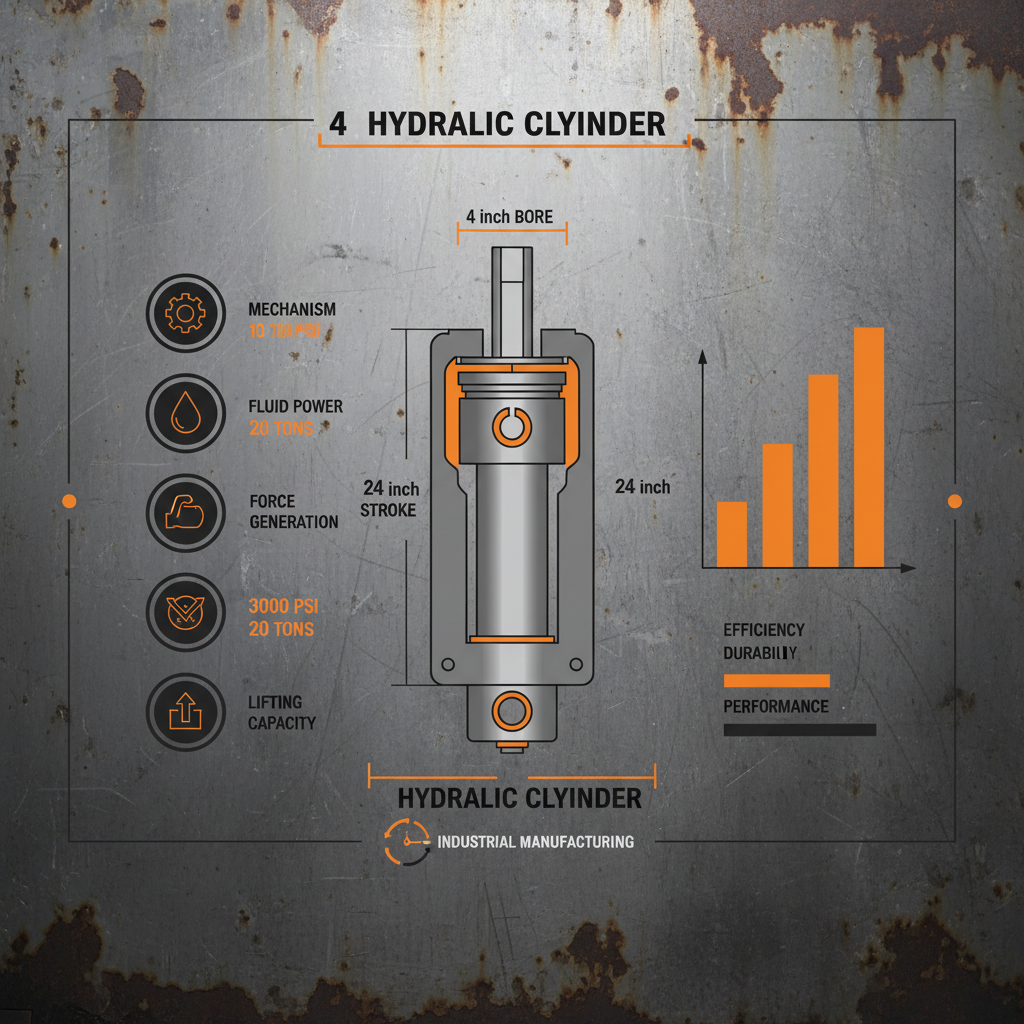
The designation "4 x 24" refers to the cylinder's key dimensions: 4 inches represents the bore diameter (the internal diameter of the cylinder), and 24 inches indicates the stroke length (the distance the piston travels). The bore diameter directly impacts the cylinder’s force output – a larger bore generally translates to greater force capacity. The stroke length dictates the range of motion the cylinder provides. A 4 x 24 cylinder, therefore, offers a moderate force output with a substantial stroke, making it suitable for a broad range of applications. Understanding these dimensions is the first step to determining if this cylinder configuration will meet your specific needs.
Key Takeaway: Bore diameter influences force; stroke length defines the range of motion. Careful consideration of these factors is crucial for optimal performance.
The 4 x 24 hydraulic cylinder’s versatility makes it a mainstay in various industries. In agricultural machinery, you’ll find these cylinders powering lift arms on tractors, controlling the height of implements, and operating steering mechanisms. Within construction equipment, they are commonly used in excavators, bulldozers, and loaders for tasks like lifting buckets, extending booms, and controlling blade angles. The manufacturing sector relies on these cylinders for pressing, clamping, and material handling applications. Additionally, they find use in truck-mounted equipment like dump beds and aerial lifts. FCY Hydraulics provides custom solutions for a wide spectrum of these industries.
Application Areas:
• Agricultural Machinery
• Construction Equipment
• Manufacturing Processes
• Truck-Mounted Systems
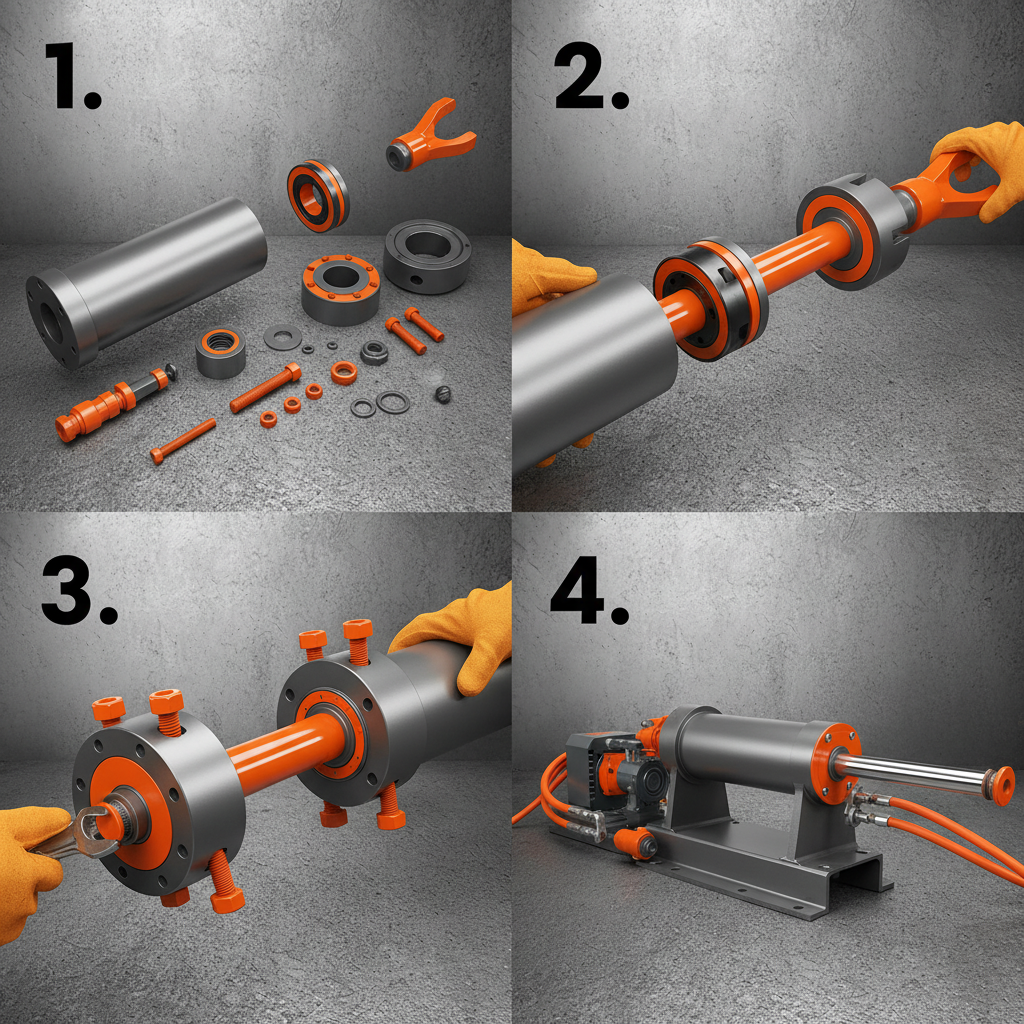
Typically, a 4 x 24 hydraulic cylinder comprises several key components: a barrel (the main cylindrical housing), a piston, a piston rod, seals, and end caps. The barrel is usually constructed from high-strength steel to withstand substantial pressure. The piston, fitted with seals, moves within the barrel to create the linear force. The piston rod, connected to the load, extends and retracts as the piston moves. High-quality seals are critical for preventing fluid leakage and maintaining pressure. Common materials include steel alloys, chrome-plated steel for corrosion resistance, and specialized polymers for sealing components. FCY Hydraulics utilizes advanced materials and manufacturing processes to ensure durability and reliability.
Hydraulic cylinders are broadly categorized as single-acting or double-acting. A single-acting cylinder uses hydraulic pressure to extend the piston, while a spring or gravity retracts it. They are simpler and less expensive but provide force in only one direction. A double-acting cylinder, on the other hand, uses hydraulic pressure for both extension and retraction, providing controlled force in both directions. For applications requiring precise control and force in both directions, a double-acting 4 x 24 cylinder is generally preferred. Here’s a quick comparison:
Choosing the right 4 x 24 hydraulic cylinder involves considering several factors: operating pressure, load capacity, environmental conditions, and mounting style. Ensure the cylinder’s pressure rating exceeds the maximum pressure of your hydraulic system. Calculate the load the cylinder will be supporting to determine the required force output. Consider the operating environment – if exposed to harsh conditions, opt for corrosion-resistant materials. Finally, select a mounting style (e.g., flange, trunnion, clevis) compatible with your application. Proper selection will maximize performance and longevity. FCY Hydraulics offers expert guidance to help you choose the optimal cylinder for your needs.
The 4 x 24 hydraulic cylinder is a versatile and powerful component. Understanding its specifications, applications, and construction is critical for selecting the right cylinder for your specific needs. By carefully considering operating conditions, load requirements, and cylinder type, you can optimize performance, ensure safety, and maximize the lifespan of your hydraulic system.
Most 4 x 24 hydraulic cylinders are designed to operate within a pressure range of 1000 to 3500 PSI (pounds per square inch). However, it's crucial to check the manufacturer's specifications, as some cylinders may be rated for higher or lower pressures. Exceeding the maximum pressure rating can lead to cylinder failure and potential safety hazards. Always ensure your hydraulic system's pressure is compatible with the cylinder's specifications. Selecting a cylinder with a safety factor is always a good practice.
Regular maintenance is essential for ensuring the longevity and reliability of your 4 x 24 hydraulic cylinder. This includes regularly checking for leaks, inspecting the seals and rod for damage, and ensuring the hydraulic fluid is clean and at the correct level. Periodically wiping down the cylinder rod to remove dirt and debris can also help prevent seal damage. Furthermore, it’s crucial to follow the manufacturer's recommended maintenance schedule. Proper maintenance minimizes downtime and reduces the risk of unexpected failures.
Yes, many manufacturers, including FCY Hydraulics, offer customization options for 4 x 24 hydraulic cylinders. This can include modifications to the mounting style, rod end configuration, seal materials, and overall length. Customization allows you to tailor the cylinder to your specific application requirements, ensuring optimal performance and compatibility. Don't hesitate to discuss your needs with a hydraulic specialist to explore available customization options.