The 4x10 hydraulic cylinder is a versatile component widely used in various industries for its power and reliability. This cylinder, characterized by its 4-inch bore and 10-inch stroke, offers a significant force output in a compact design. It's a fundamental part of many systems, from agricultural machinery to industrial equipment. Choosing the right cylinder is crucial for optimal performance and longevity, and FCY Hydraulics provides a wide range of high-quality hydraulic cylinders, including the 4x10 model, tailored to meet diverse application needs. Understanding its features and potential applications can help you make an informed decision for your specific requirements.
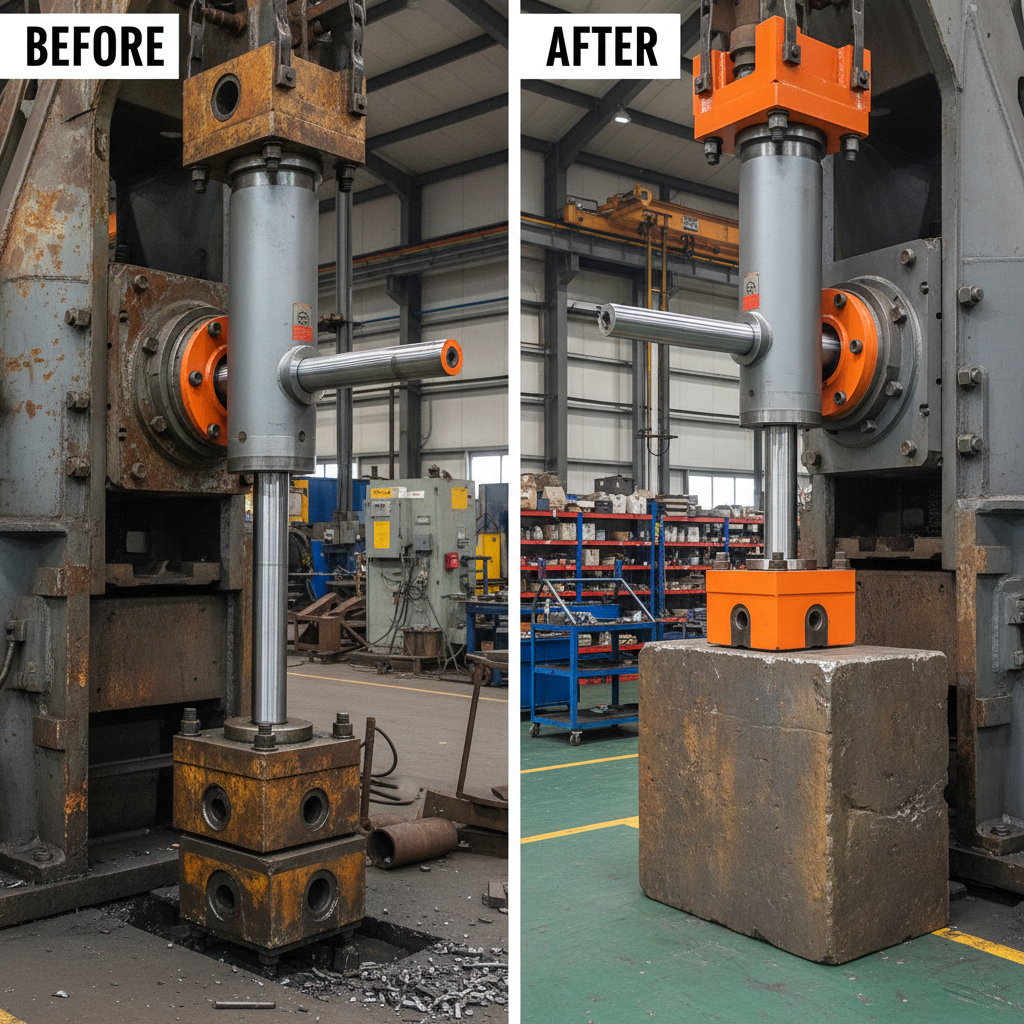
The 4x10 hydraulic cylinder boasts several key features that contribute to its widespread use. Its 4-inch bore diameter provides substantial force capacity, while the 10-inch stroke length allows for considerable linear movement. Common materials include high-strength steel for both the cylinder barrel and piston rod, ensuring durability and resistance to wear and tear. These cylinders are often equipped with various end fittings, such as clevises, flanges, or trunnion mounts, to facilitate easy integration into different systems. FCY Hydraulics' 4x10 cylinders are precision engineered and rigorously tested to ensure reliable performance even under demanding conditions.
Key Highlights: High-strength steel construction, 4-inch bore and 10-inch stroke for substantial force and movement, and versatile end fitting options.
The 4x10 hydraulic cylinder finds applications in a diverse range of industries. In agriculture, it's commonly used in loaders, backhoes, and planters. In construction, it powers excavators, bulldozers, and cranes. Industrial applications include hydraulic presses, lifting platforms, and material handling equipment. The automotive industry utilizes these cylinders in steering systems and suspension components. Furthermore, they play a vital role in marine applications, powering steering gear and other hydraulic systems. FCY Hydraulics provides customized solutions tailored to specific industry requirements.
Common Applications:
• Agricultural Machinery (loaders, backhoes)
• Construction Equipment (excavators, cranes)
• Industrial Machinery (hydraulic presses)
• Automotive Systems (steering, suspension)
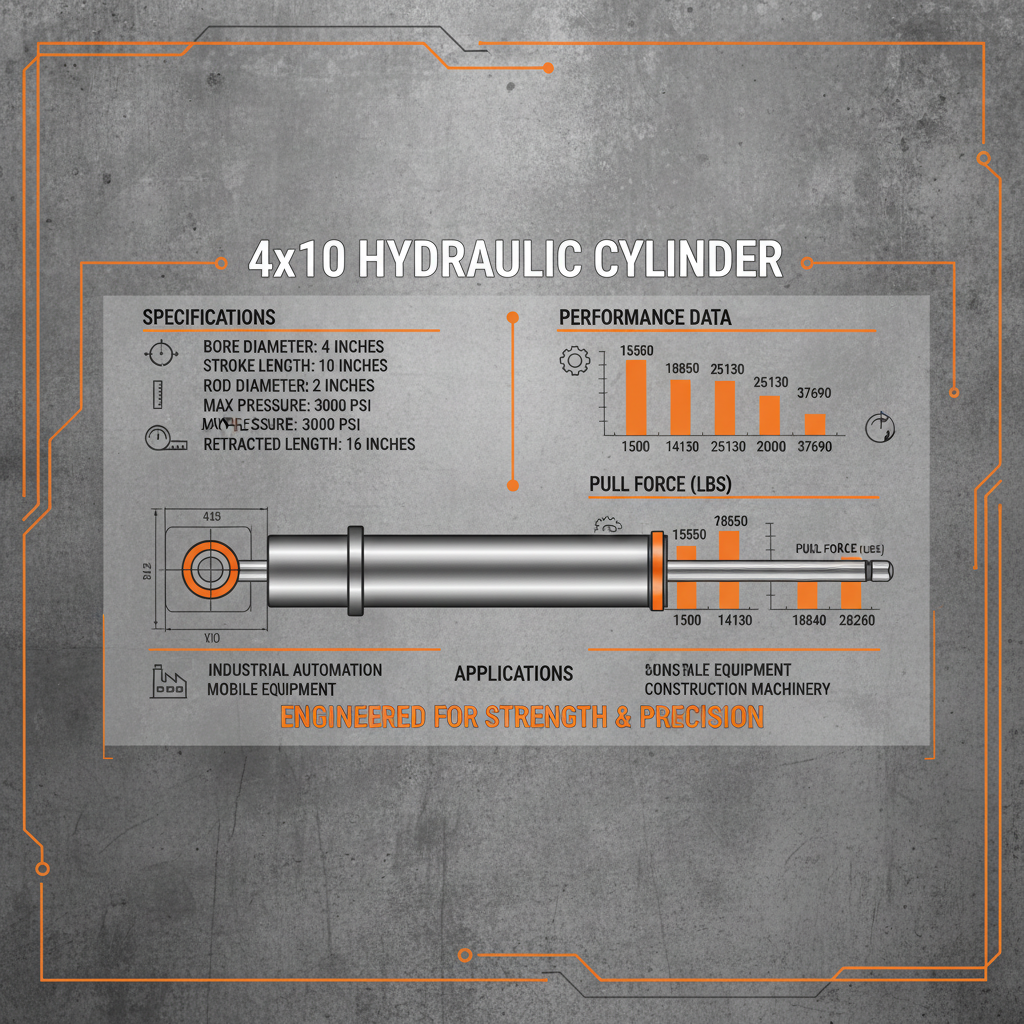
Understanding the technical specifications of a 4x10 hydraulic cylinder is vital for choosing the right component. Key parameters include bore size (4 inches), stroke length (10 inches), working pressure (typically up to 3000 PSI, but can vary), rod diameter (often 1.5 to 2 inches), and cylinder material (typically high-strength steel). The maximum force output can be calculated based on the bore area and working pressure. FCY Hydraulics provides detailed specification sheets for all its cylinders, ensuring transparency and informed decision-making.
Compared to smaller cylinders (like 2x6 or 3x8), the 4x10 offers greater force output and stroke length, making it suitable for heavier-duty applications. Larger cylinders (like 5x12 or 6x16) provide even more power but are typically larger and heavier, potentially limiting their use in space-constrained applications. The 4x10 strikes a good balance between power, size, and weight. Choosing the optimal cylinder size depends entirely on the specific requirements of the application, including the required force, stroke length, and available space. FCY Hydraulics can help you determine the ideal cylinder size for your needs.
When purchasing a 4x10 hydraulic cylinder, consider several crucial factors. First, evaluate the required working pressure and ensure the cylinder's rating meets or exceeds this value. Second, consider the operating environment and choose a cylinder with appropriate seals and materials for the temperature, exposure to chemicals, or corrosive substances. Third, select the correct end fittings to ensure compatibility with your existing hydraulic system. Finally, choose a reputable supplier like FCY Hydraulics, known for quality and reliability.
Selecting the right 4x10 hydraulic cylinder is essential for ensuring the efficiency and reliability of your hydraulic systems. FCY Hydraulics offers a comprehensive selection of high-quality cylinders, backed by expert technical support. By carefully considering your application requirements and choosing a reputable supplier, you can ensure a long-lasting and effective solution.
The lifespan of a 4x10 hydraulic cylinder is influenced by factors like usage intensity, operating conditions, and maintenance practices. With proper care and regular maintenance, a well-built cylinder can last for 5-10 years or even longer. Regular checks for leaks, wear on seals, and corrosion are crucial. Maintaining clean hydraulic fluid and ensuring proper lubrication will significantly extend its lifespan. If the cylinder is subjected to harsh environments or heavy use, more frequent inspections and potential replacements may be required.
The recommended hydraulic fluid depends on the operating temperature and the cylinder's materials. Generally, mineral-based hydraulic fluids are suitable for most applications. However, for high-temperature environments or systems with specific material requirements, synthetic fluids may be necessary. It's crucial to consult the cylinder manufacturer's specifications (available from FCY Hydraulics) to determine the appropriate fluid type and viscosity. Using the wrong fluid can lead to seal damage and reduced cylinder performance.
Preventing leaks involves regular inspection and maintenance. Check all fittings and connections for tightness and signs of wear. Replace worn seals promptly. Ensure the hydraulic fluid is clean and free of contaminants. Avoid over-pressurizing the cylinder, as this can damage seals. Proper storage and handling of the cylinder can also help prevent damage. FCY Hydraulics offers high-quality seals and replacement parts to help maintain cylinder integrity.