Maintaining the efficiency of renewable energy systems requires more than just high-quality photovoltaic cells; it necessitates a comprehensive approach to asset protection. One of the most persistent challenges for solar farm operators and residential users alike is the intrusion of birds, specifically pigeons, which can lead to significant degradation of equipment. Implementing a high-quality solar panels pigeon mesh is no longer just an optional add-on but a critical maintenance strategy to ensure long-term energy yields.
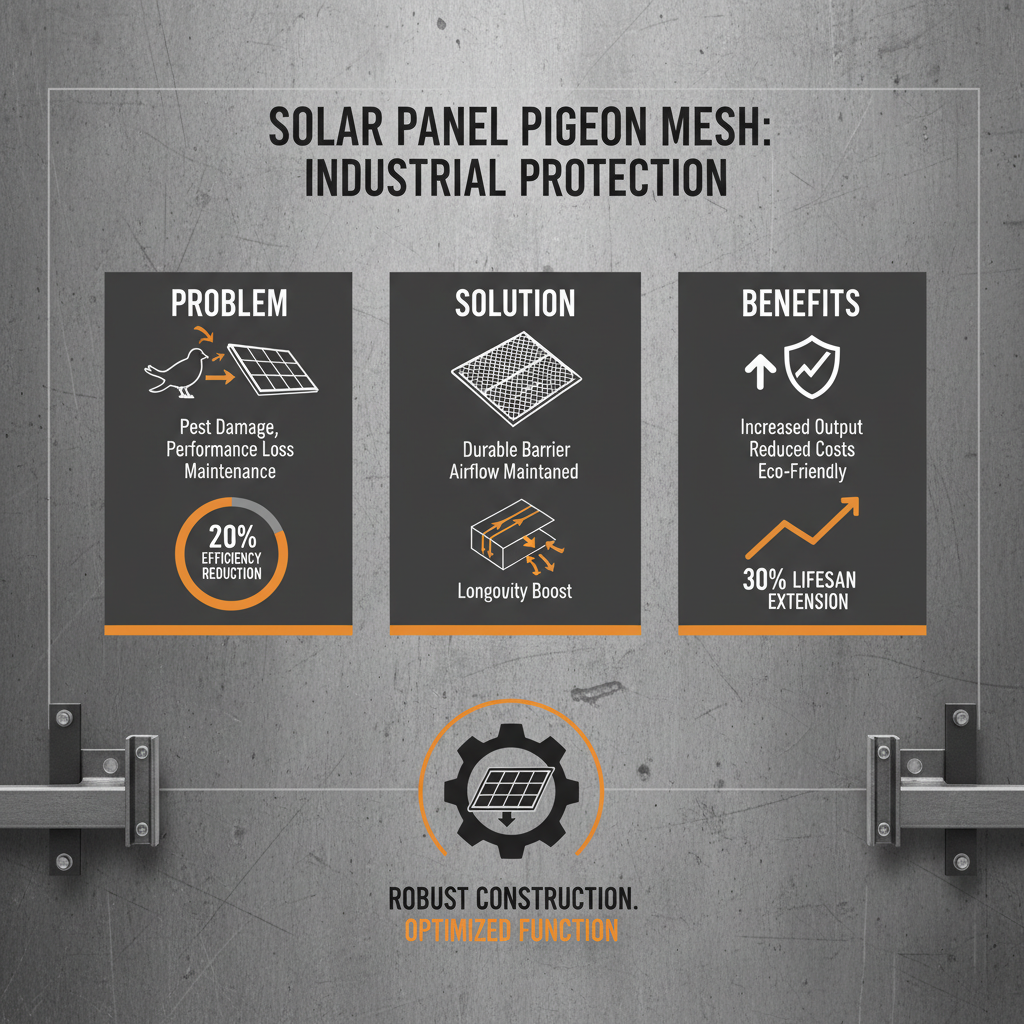
From a technical standpoint, the accumulation of bird droppings and the nesting habits of pigeons beneath panels create "hot spots" and structural risks. These biological contaminants can obstruct sunlight and lead to permanent cell damage or electrical shorts. By installing a dedicated solar panels pigeon mesh, operators can create a physical barrier that prevents birds from accessing the gap between the panel and the roof, thereby eliminating the root cause of the problem.
Globally, as the shift toward green energy accelerates, the scalability of solar installations demands durable, low-maintenance solutions. The integration of specialized mesh systems aligns with international ISO standards for facility maintenance and risk management. Understanding the nuances of material selection, installation techniques, and the long-term ROI of pigeon proofing is essential for anyone looking to maximize the lifespan of their solar investment.
Global Relevance of Solar Panels Pigeon Mesh
The global surge in solar energy adoption has inadvertently created millions of ideal nesting sites for urban bird populations. In major metropolitan areas, pigeons are drawn to the sheltered warmth and security provided by the void beneath solar arrays. This creates a systemic conflict between urban biodiversity and renewable energy infrastructure, making the adoption of solar panels pigeon mesh a global necessity for urban planning and green energy stability.
Industry data suggests that without proper mitigation, bird-related damage can reduce the efficiency of a solar array by as much as 5% to 15% over time due to shading and debris. In industrial zones, where massive arrays are common, the cost of cleaning and repairing damaged wiring caused by nesting materials can reach thousands of dollars annually. Implementing a standardized mesh solution minimizes these operational expenditures and ensures a consistent energy output.
Defining Solar Panels Pigeon Mesh and its Purpose
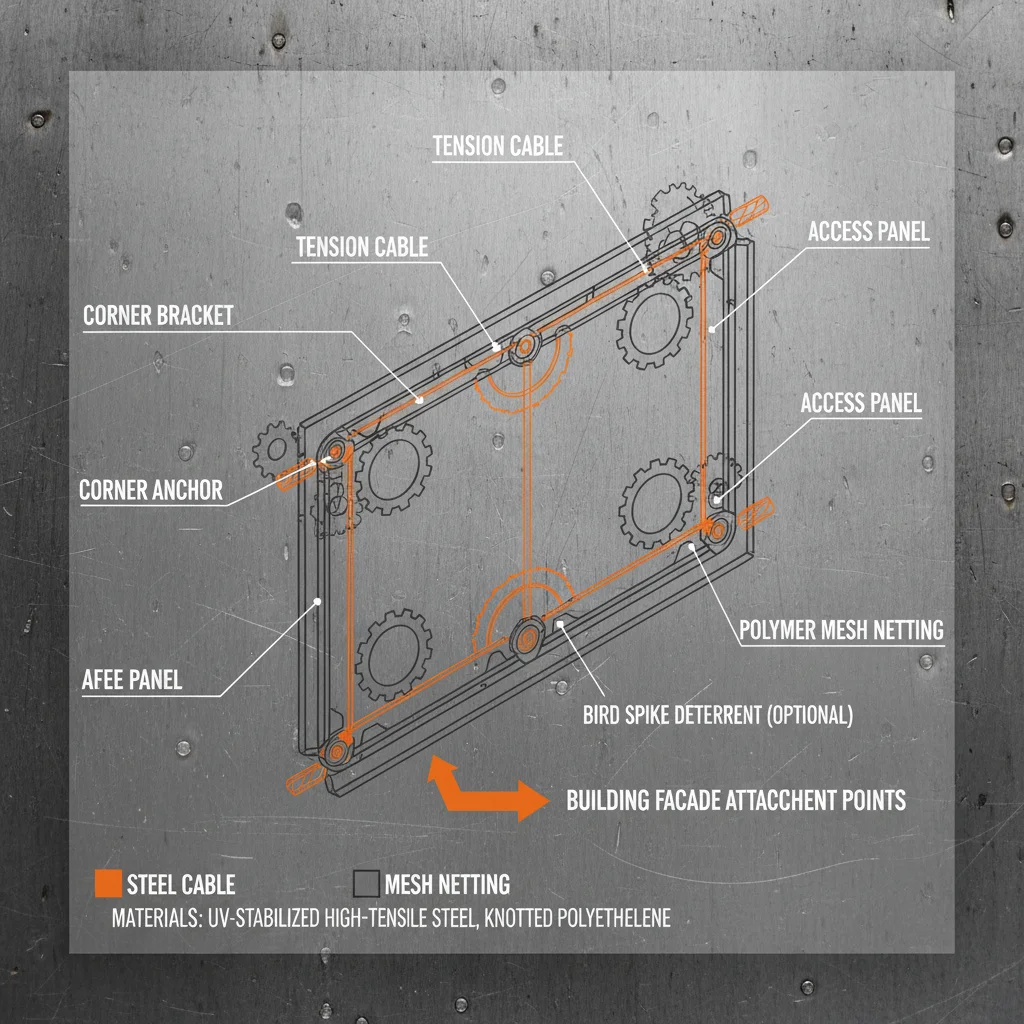
In simple terms, solar panels pigeon mesh is a specialized physical barrier, typically made from stainless steel or UV-stabilized polymers, designed to wrap around the perimeter of a solar panel installation. Unlike traditional netting, this mesh is engineered to be rigid enough to withstand wind loads while remaining discreet, ensuring that it does not interfere with the aesthetic of the building or the airflow required to cool the panels.
The primary purpose of this system is to seal the gap between the solar modules and the roof surface. Pigeons are attracted to these gaps because they offer protection from predators and the elements. By eliminating this access point, the mesh prevents birds from entering, nesting, and depositing acidic droppings that can corrode the panel frames and penetrate the sealant of the glass.
Beyond simple pest control, this solution addresses a humanitarian and environmental need by reducing the reliance on chemical detergents and harsh pesticides used to deter birds. By employing a mechanical barrier, solar owners can maintain a hygienic environment and protect their investment without introducing toxins into the local ecosystem, aligning with global sustainability goals.
Core Components of Effective Bird Proofing
The durability of a solar panels pigeon mesh system begins with its material composition. High-grade 304 or 316 stainless steel is the industry standard due to its exceptional resistance to oxidation and corrosion, especially in coastal regions where salt spray can degrade inferior metals. The mesh must be capable of withstanding extreme temperature fluctuations without warping or losing structural integrity.
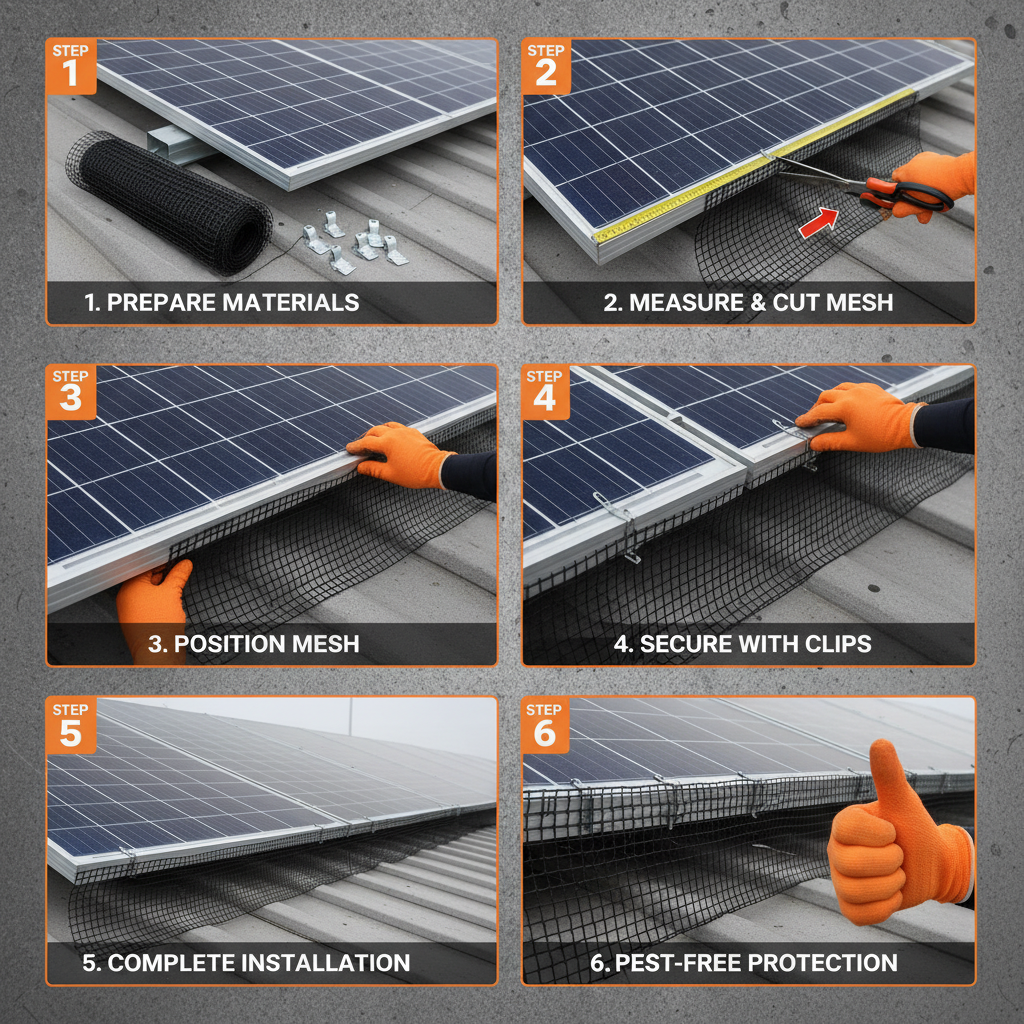
Another critical component is the fastening mechanism. Effective installation avoids drilling into the solar panel frames, which would void warranties. Instead, professional-grade systems utilize specialized clips or industrial-strength adhesives that secure the solar panels pigeon mesh firmly to the mounting rails. This ensures the barrier remains taut and prevents birds from pushing the mesh aside to gain entry.
Finally, scalability and flexibility are paramount. Because solar arrays come in various configurations—from small residential setups to massive commercial parks—the mesh must be adaptable. Modular designs allow for easy installation around complex roof geometries and ventilation pipes, ensuring that there are no gaps left open for determined pests to exploit.
Performance Metrics of Different Mesh Materials
When selecting the right solar panels pigeon mesh, it is essential to compare materials based on lifespan, installation ease, and deterrent effectiveness. While plastic-coated meshes are cheaper, they often degrade under intense UV exposure, becoming brittle and failing within a few years. Stainless steel, conversely, offers a permanent solution that maintains its tension and protective properties for decades.
To better understand the trade-offs, we analyze various materials against key performance indicators. The goal is to find the equilibrium between upfront cost and long-term maintenance savings, ensuring the solar array operates at peak capacity without interruption from biological interference.
Comparison of Solar Panels Pigeon Mesh Material Efficiency
Global Applications and Real-World Use Cases
In high-density urban environments like London, New York, and Tokyo, the use of solar panels pigeon mesh has become a standard requirement for commercial rooftop installations. In these cities, the concentration of pigeons is exceptionally high, and the risk of debris clogging drainage systems—caused by nesting materials pushed under panels—is a major concern for facility managers.
Beyond cities, remote industrial zones and agricultural solar farms also benefit from these systems. In regions with high wind speeds or sandy environments, the mesh serves a dual purpose: it keeps birds out and prevents large wind-blown debris from accumulating beneath the panels, which could otherwise trap moisture and lead to premature corrosion of the mounting structures.
Long-Term Value and Sustainability Benefits
The long-term value of investing in a premium solar panels pigeon mesh is measured in both financial and operational reliability. By preventing the build-up of guano, which is highly acidic, owners avoid the costly process of specialized chemical cleaning and the potential replacement of damaged wiring. This ensures that the solar energy system reaches its full projected lifespan of 25+ years.
From a sustainability perspective, these mesh systems support a "set and forget" philosophy. Reducing the frequency of maintenance visits means fewer vehicle trips to the site, lowering the overall carbon footprint associated with system upkeep. It is a passive solution that requires no electricity and no consumables, making it one of the most eco-friendly ways to manage pest control.
Furthermore, the peace of mind provided by a secure installation cannot be overstated. For homeowners, it eliminates the noise and mess associated with bird colonies. For industrial operators, it ensures compliance with health and safety regulations, as pigeon droppings can harbor pathogens that pose risks to maintenance workers accessing the roof.
Future Innovations in Solar Asset Protection
Looking forward, the evolution of solar panels pigeon mesh is moving toward the integration of smart materials. Researchers are exploring the use of nano-coatings that are not only repellent to birds but also hydrophobic, helping the mesh itself stay clean and free of dust, which further enhances the airflow around the panels.
The digital transformation of energy management is also playing a role. We are seeing the rise of integrated monitoring systems where sensors can detect the presence of pests or the failure of a mesh section, alerting the operator via a mobile app. This move toward predictive maintenance ensures that the protective barrier is always intact without requiring manual inspections.
As global policies continue to push for "net-zero" emissions, the demand for high-efficiency solar arrays will only grow. This will drive the development of more lightweight, aerospace-grade alloys for mesh production, reducing the load on roof structures while providing even greater strength and longevity.
Comparative Analysis of Solar Panels Pigeon Mesh Implementation Strategies
| Installation Method |
Material Cost |
Durability Score |
Maintenance Need |
| Stainless Steel Clips |
High |
10/10 |
Very Low |
| Polymer Adhesive |
Low |
4/10 |
High |
| Galvanized Wire |
Medium |
6/10 |
Medium |
| Aluminum Framing |
Medium-High |
8/10 |
Low |
| PVC Mesh Netting |
Very Low |
3/10 |
Very High |
| Composite Hybrid |
High |
9/10 |
Low |
FAQS
No, provided that the mesh is installed using non-invasive methods. Professional installation uses clips that attach to the mounting rails rather than drilling into the panel frames. We always recommend checking with your manufacturer, but high-quality mesh systems are designed specifically to be warranty-compliant.
On the contrary, a properly designed solar panels pigeon mesh promotes better efficiency. By preventing the buildup of nests and debris, it ensures that airflow remains unobstructed beneath the panels, which helps keep the cells cool and operating at their maximum electrical potential.
A high-grade 304 or 316 stainless steel mesh is designed to last the entire lifespan of the solar array, often 25 years or more. Unlike plastic alternatives, it does not degrade under UV light and is highly resistant to the corrosion caused by bird droppings and environmental moisture.
While DIY kits exist, professional installation is highly recommended. Ensuring the mesh is perfectly taut and completely sealed around all edges is critical; even a small gap can allow a pigeon to enter. Professionals also ensure that the safety protocols for roof work are strictly followed.
Most professional solar panels pigeon mesh systems are designed to be discreet. Using thin-gauge stainless steel or color-matched polymers, the barrier blends into the shadows beneath the panel edges, making it virtually invisible from the street level or ground view.
Mesh is significantly more effective because it provides a complete physical seal. Bird spikes only deter birds from landing on a specific surface but do not stop them from crawling underneath the panels. The mesh solves the root problem by eliminating the nesting space entirely.
Conclusion
In summary, the implementation of solar panels pigeon mesh is a critical component of a professional solar maintenance strategy. By combining high-grade materials like stainless steel with non-invasive installation techniques, operators can protect their photovoltaic investments from the corrosive and disruptive effects of bird nesting. The shift from reactive cleaning to proactive prevention not only safeguards the physical assets but also ensures the maximum possible energy yield and system longevity.
As we move toward a more sustainable future, the integration of durable, passive protection systems will become the industry standard. We encourage solar owners and facility managers to prioritize long-term reliability over short-term cost savings by choosing professional-grade mesh solutions. Protecting your energy infrastructure today ensures a cleaner, more efficient, and more reliable power source for tomorrow. Visit our website for more industrial solutions: www.fcyhydraulics.com