Protecting renewable energy investments is becoming a global priority as the adoption of photovoltaic systems surges. One of the most persistent challenges for site managers is the interference caused by local wildlife, which is why implementing a high-quality bird net for solar panels has become an essential maintenance standard. By preventing avian nesting and debris accumulation, these barriers ensure that energy production remains optimized and equipment longevity is preserved.
From a technical perspective, the gap between the solar array and the roof surface creates an ideal sheltered environment for pigeons and other birds. Without a professional bird net for solar panels, these animals not only cause physical damage to wiring but also create "hot spots" on panels due to droppings, which can significantly reduce the efficiency of the entire energy system.
Understanding the nuances of material selection and installation methods for bird netting is crucial for long-term sustainability. Whether for residential rooftops or massive industrial solar farms, the right shielding strategy balances environmental friendliness with industrial-grade durability, ensuring that the transition to green energy is not hindered by preventable biological factors.
Global Relevance of Bird Netting for Solar Arrays
As the world pivots toward the goals set by the Paris Agreement and the UN Sustainable Development Goals, the deployment of solar energy has reached an unprecedented scale. However, this rapid expansion has led to a surprising increase in human-wildlife conflict. In many urban and rural regions, the void created under solar panels serves as a perfect sanctuary for pests, leading to a surge in demand for a specialized bird net for solar panels to protect these critical assets.
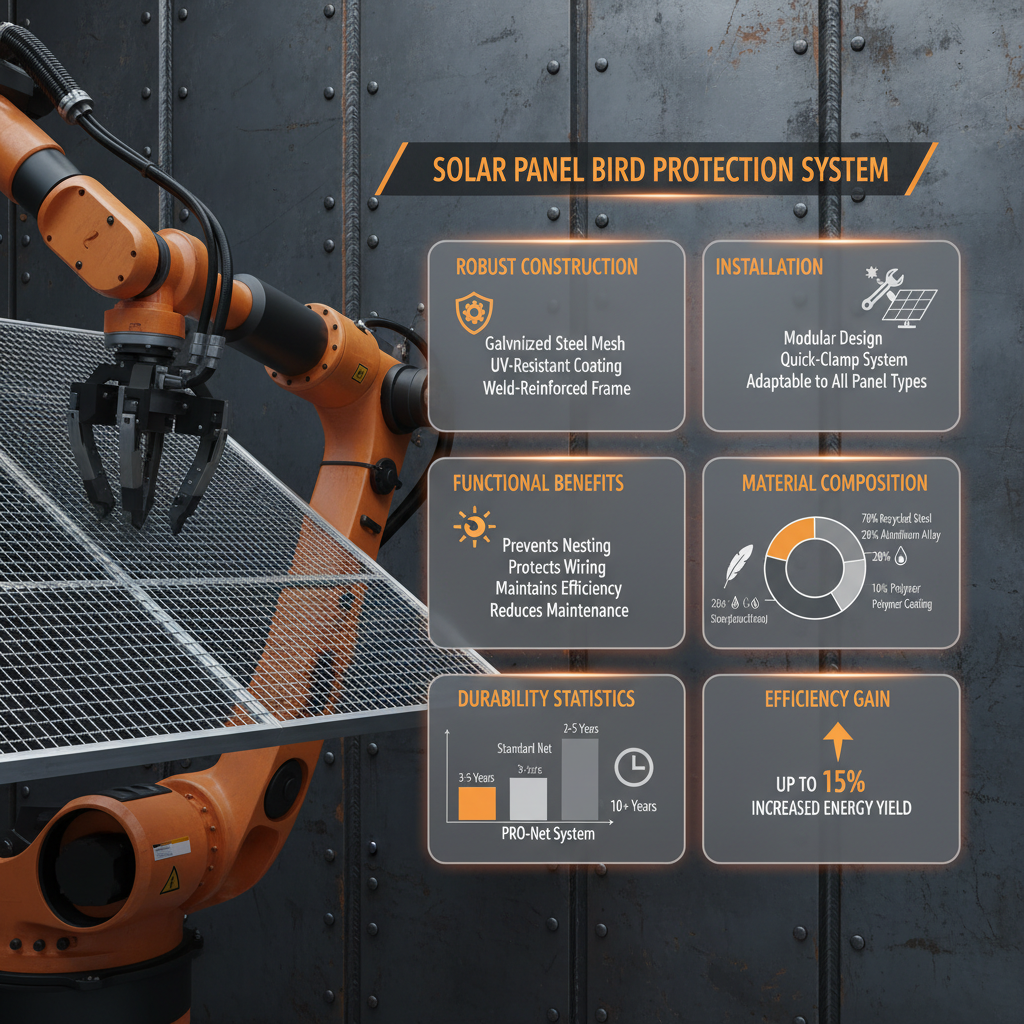
Industry data suggests that without proper shielding, solar installations can suffer from a 5% to 15% drop in efficiency due to shading caused by bird nests and debris. Moreover, the acidic nature of bird droppings can cause permanent etching on the glass surface of the modules, leading to long-term degradation. This makes the implementation of netting not just a preference, but a technical necessity for maintaining ISO-standard energy yields.
Defining the Mechanics of Bird Net for Solar Panels
A bird net for solar panels is a specialized physical barrier designed to seal the perimeter of a solar array. Unlike standard garden netting, these industrial-grade meshes are engineered to be virtually invisible from the ground while possessing the tensile strength to withstand high wind loads and extreme temperature fluctuations common on rooftops.
The primary function of this system is to prevent birds from accessing the void between the panels and the mounting surface. By eliminating the possibility of nesting, the netting addresses the root cause of the problem rather than relying on temporary deterrents like sonic devices or chemical repellents, which often lose effectiveness as birds habituate to them.
In the broader context of modern green infrastructure, these netting solutions represent a proactive approach to asset management. By integrating protection at the installation phase, operators can reduce the frequency of manual cleaning cycles and minimize the risk of electrical shorts caused by birds chewing through UV-stabilized cabling.
Core Components of Effective Avian Shielding
The durability of a bird net for solar panels begins with the material science. Most professional systems utilize High-Density Polyethylene (HDPE) or stainless steel wires, which are treated with UV inhibitors to prevent the plastic from becoming brittle under constant sun exposure.
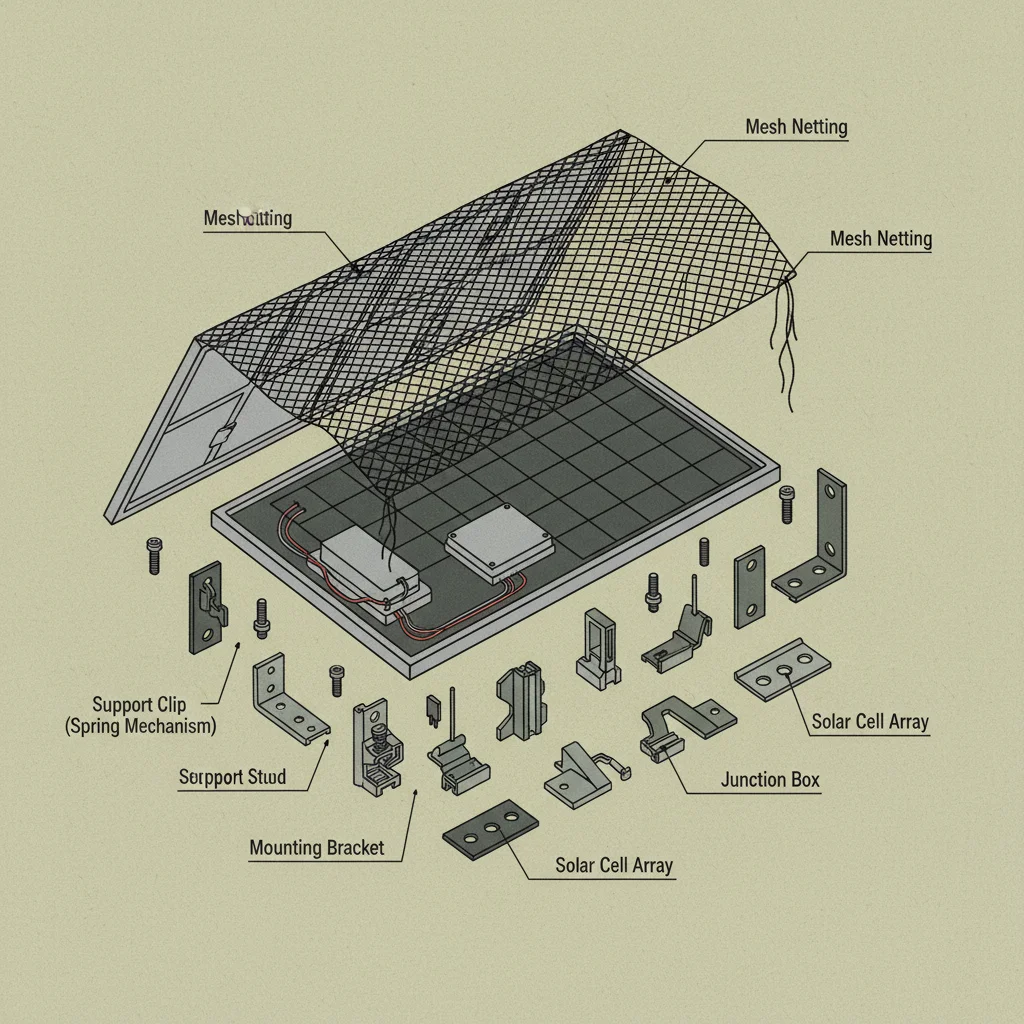
Another critical factor is the tensioning system. A loose net is not only aesthetically unpleasing but can actually trap birds or allow them to push through the mesh. A high-quality bird net for solar panels employs specialized clips and tensioning wires that secure the mesh tightly to the aluminum frame of the solar panels without drilling into the modules.
Finally, the mesh size must be carefully calibrated. If the holes are too large, smaller bird species can still enter; if they are too small, the net may accumulate wind-blown leaves and dust, creating a secondary maintenance issue. The industry standard focuses on a balance that optimizes airflow while ensuring total exclusion of target pests.
Performance Metrics of Different Netting Materials
When selecting a bird net for solar panels, stakeholders must evaluate different materials based on their operational environment. For instance, coastal regions require materials with high salt-spray resistance, whereas high-altitude installations prioritize thermal stability and wind resistance.
Comparing HDPE, Polypropylene, and Stainless Steel reveals distinct trade-offs in terms of cost, longevity, and installation speed. While HDPE is the most common due to its flexibility and cost-effectiveness, stainless steel is preferred for high-security industrial sites where maximum durability is required.
Comparative Material Efficiency for Bird Net for Solar Panels
Global Applications in Diverse Climates
The application of a bird net for solar panels varies significantly across different geographical zones. In the arid regions of the Middle East, the primary focus is on UV resistance and the ability of the mesh to allow sand to pass through without clogging, preventing heat buildup under the panels.
In contrast, in Northern European or North American climates, installers prioritize snowfall management. Netting must be installed in a way that doesn't trap snow drifts against the roof surface, which could lead to ice damming and structural stress. In these remote industrial zones, the reliability of the netting reduces the need for expensive winter maintenance trips.
Long-Term Value and Sustainability Benefits
Investing in a professional bird net for solar panels provides immediate tangible benefits in the form of reduced cleaning costs. When birds are excluded, the accumulation of organic waste is drastically reduced, meaning the panels maintain a higher transmittance rate for longer periods between scheduled washings.
Beyond the financial logic, there is a strong sustainability angle. By preventing the degradation of solar components, netting extends the overall lifecycle of the photovoltaic system. This reduces the frequency of hardware replacement and the associated carbon footprint of manufacturing and transporting new panels.
From an emotional and trust-based perspective, homeowners and commercial operators feel a greater sense of security knowing their investment is protected. The "invisible" nature of modern netting preserves the architectural integrity of the building while providing a robust shield against biological interference.
Future Innovations in Solar Protection Systems
The future of the bird net for solar panels is moving toward "smart" materials. Researchers are exploring the use of conductive polymers that can repel birds through mild, harmless electrostatic charges, combining the physical barrier of a net with an active deterrent system.
Additionally, the integration of biodegradable but long-lasting bioplastics is being tested. These materials aim to provide the same protection as HDPE but would break down safely at the end of the system's 25-year lifespan, aligning with the circular economy principles of the renewable energy industry.
Automation is also playing a role; we are seeing the rise of drone-assisted installation and inspection for large-scale solar farms. This allows for the precise placement of netting and the rapid identification of any tears or breaches in the barrier, ensuring that the system remains airtight and effective.
Comprehensive Analysis of Solar Protection Material Specifications
| Material Type |
UV Resistance Level |
Installation Complexity |
Expected Lifespan |
| Standard HDPE |
High |
Low |
10-15 Years |
| Polypropylene |
Medium |
Low |
5-8 Years |
| Stainless Steel |
Ultra-High |
High |
25+ Years |
| Reinforced Nylon |
Medium |
Medium |
8-12 Years |
| PVC Coated Steel |
High |
Medium |
15-20 Years |
| Fluorocarbon Mesh |
Ultra-High |
High |
20+ Years |
FAQS
No, a professionally installed bird net for solar panels does not affect energy output. Because the netting is installed around the perimeter—underneath the panels—it does not shade the photovoltaic cells. In fact, it increases output by preventing bird nests and droppings from blocking sunlight.
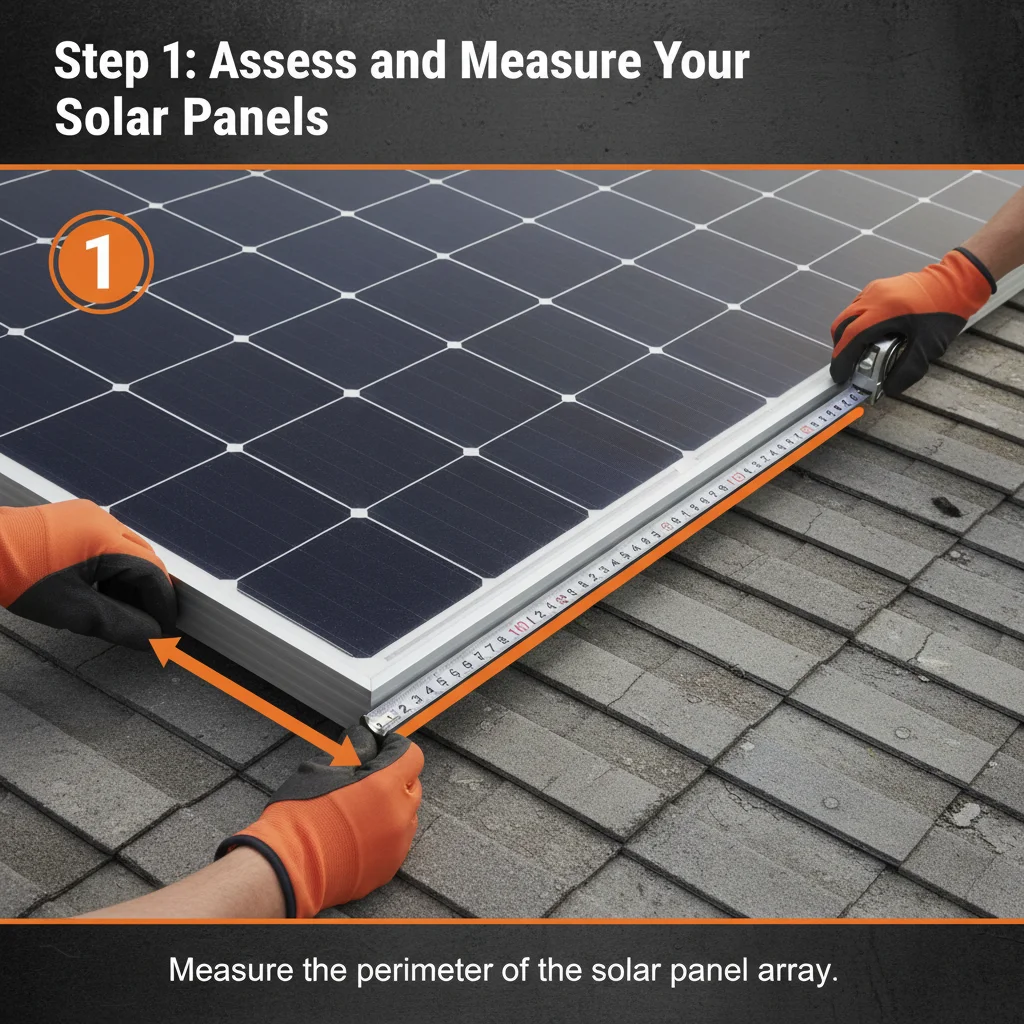
For a standard residential installation, it usually takes between 2 to 5 hours. The process involves cleaning the perimeter, installing tensioning clips to the panel frames, and securing the mesh. The time varies depending on the complexity of the roofline and the total number of panels.
While DIY kits exist, professional installation is highly recommended. Ensuring the net is tight enough to exclude birds but not so tight that it damages the panel frames requires specific tools and experience. Additionally, professional installers are trained in roof safety and fall protection.
Most modern bird net for solar panels is made from thin, black, or transparent HDPE materials. These are designed to blend into the shadows beneath the panels, making them virtually invisible from the ground level, thus preserving the home's curb appeal.
If a tear occurs, it should be repaired immediately, as even a small gap can be exploited by birds. Most professional installations use modular clips, allowing a technician to replace a specific section of the mesh without having to remove the entire system.
Generally, no, provided the netting is installed using non-penetrating clips. As long as the installation does not involve drilling holes into the panel frames or the modules themselves, it is considered a secondary accessory and does not affect the manufacturer's warranty.
Conclusion
In summary, the implementation of a bird net for solar panels is a critical step in the holistic management of renewable energy assets. By addressing the biological threat of avian nesting through high-quality material selection and precise installation, operators can safeguard their energy yields, reduce maintenance overheads, and prevent structural damage. From the durability of HDPE to the permanence of stainless steel, the right shielding strategy ensures that solar arrays function at peak efficiency throughout their entire operational life.
Looking forward, as solar technology evolves, we can expect protection systems to become even more integrated and environmentally conscious. We recommend that all new solar installations include avian shielding as a standard specification rather than an afterthought. By investing in quality protection today, you are securing the sustainability and reliability of your green energy transition for decades to come. Visit our website for more professional industrial solutions: www.fcyhydraulics.com