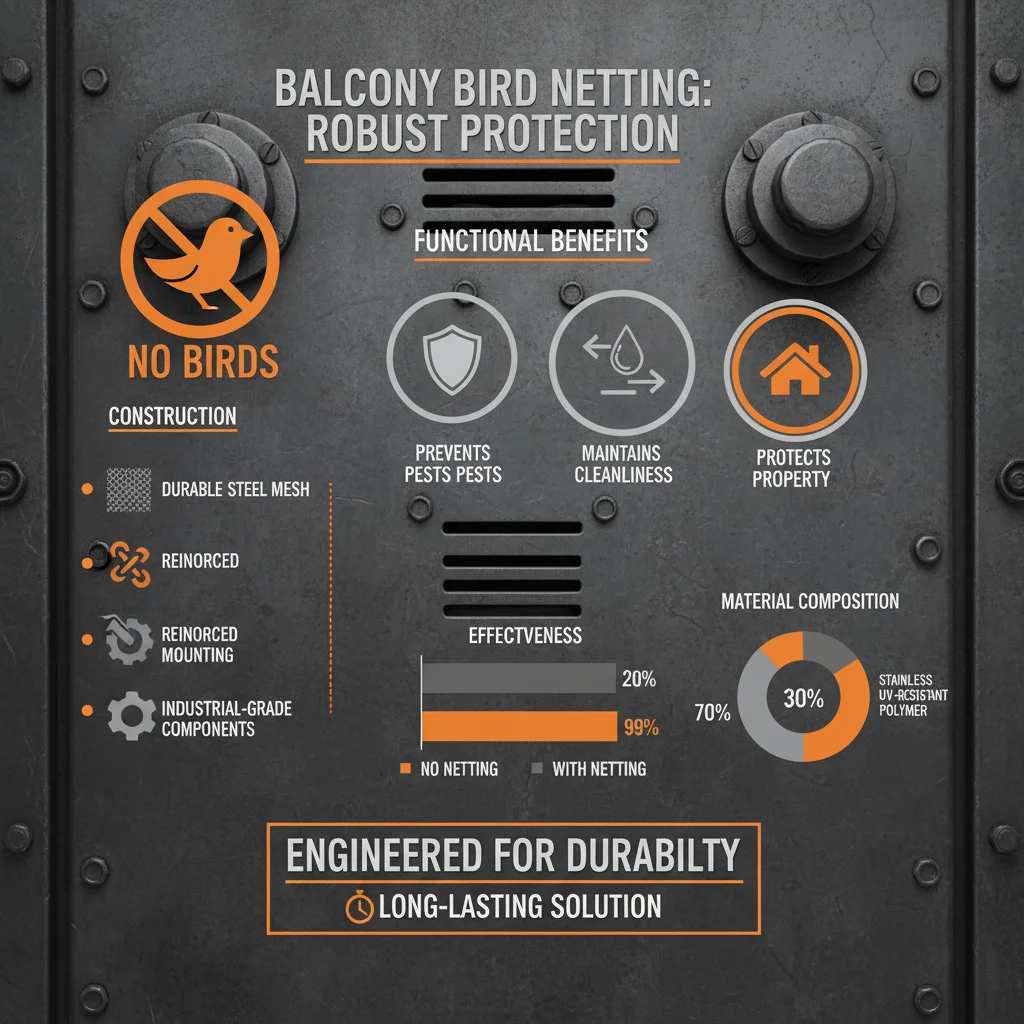
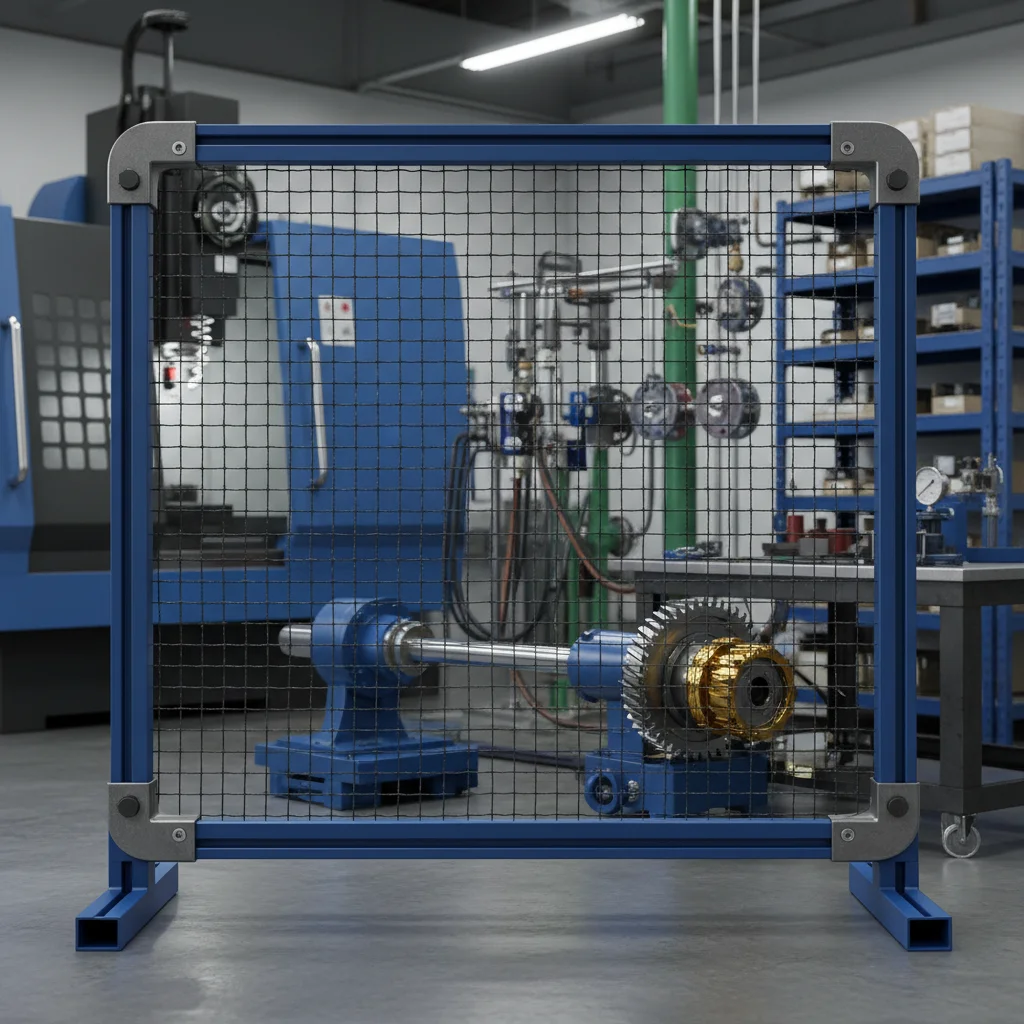
Protecting critical infrastructure and agricultural yields from avian interference has become a global priority, leading to the widespread adoption of bird deterrent netting. This specialized barrier system provides a physical exclusion method that prevents birds from nesting, roosting, or foraging in restricted areas without causing them permanent harm. By implementing these systems, facility managers can significantly reduce the costs associated with cleaning, repair, and health risks.
From an industrial perspective, the integration of high-grade netting is not merely about aesthetics; it is about operational continuity. In sectors ranging from aviation to food processing, a single bird intrusion can lead to catastrophic equipment failure or contaminate an entire production batch. Understanding the technical specifications and deployment strategies of these netting systems is essential for maintaining a sterile and efficient working environment.
Ultimately, the shift toward sustainable and humane pest control has positioned bird deterrent netting as the gold standard for long-term avian management. By combining material science with strategic installation, businesses can achieve a seamless balance between protecting their assets and respecting local wildlife, ensuring that industrial productivity remains uninterrupted by seasonal migrations.
Global Relevance and Industry Context of Bird Deterrent Netting
Across the globe, the conflict between urban expansion and avian habitats has intensified, making bird deterrent netting a critical tool for infrastructure protection. According to industrial safety standards and environmental reports, avian droppings are not just a nuisance but a corrosive agent that can degrade structural steel and concrete over time. In high-stakes environments like airports, the risk of "bird strikes" necessitates the most rigorous exclusion methods to ensure passenger safety and aircraft integrity.
Furthermore, the agricultural sector faces annual losses in the billions of dollars due to crop raiding. The deployment of specialized netting allows farmers to secure their harvests without relying on chemical repellents that might harm the ecosystem. This global demand has pushed the manufacturing of these nets toward higher durability and UV resistance, ensuring that the barriers can withstand extreme weather conditions across different continents.
Defining the Mechanics of Bird Deterrent Netting
At its core, bird deterrent netting is a physical barrier system engineered from high-density polymers, typically polyethylene or nylon, designed to block avian access to specific zones. Unlike visual or auditory deterrents, which birds often become accustomed to over time, netting provides a definitive "no-entry" zone. The mesh size is strategically calculated based on the target species, ensuring that the netting is tight enough to prevent entry but breathable enough to allow airflow and light.
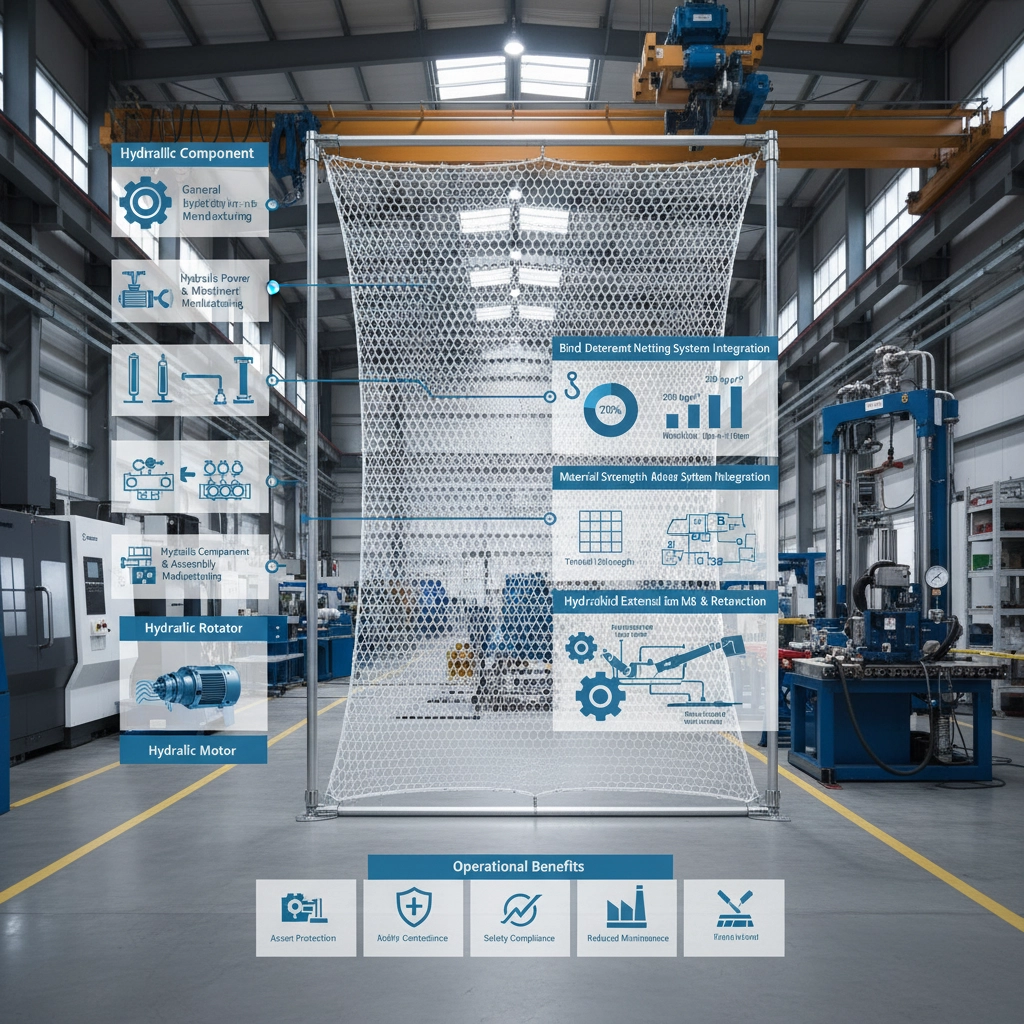
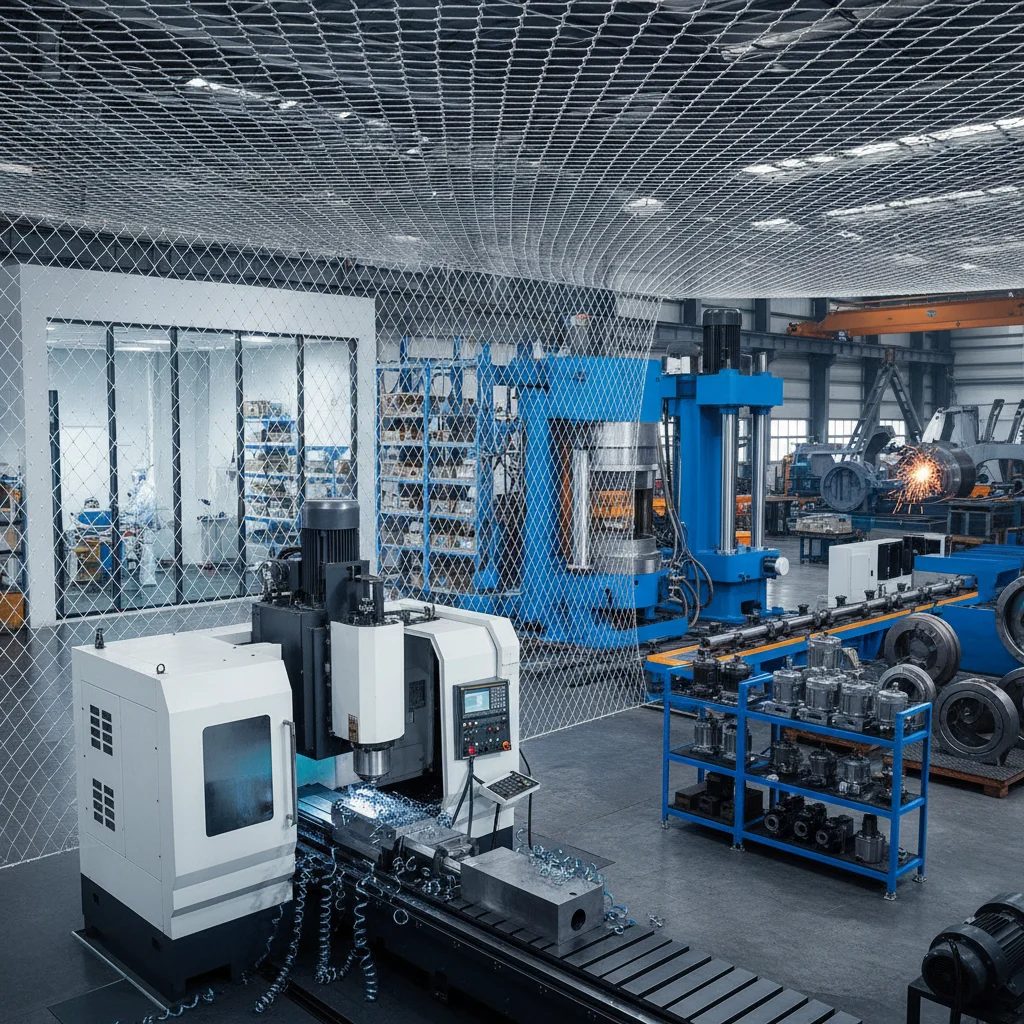
In a modern industrial context, these systems are integrated into the architecture of warehouses, loading docks, and ventilation shafts. The goal is to create a seamless envelope that redirects birds away from critical machinery and storage areas. This mechanical approach aligns with the principle of "exclusion," which is widely recognized by ISO standards as the most effective method of pest management in food-safe environments.
Beyond simple blockage, the design of these nets emphasizes visibility and safety. High-quality netting is often nearly invisible from a distance to maintain the aesthetic value of a building, yet it is strong enough to prevent birds from pushing through. This combination of transparency and strength makes it an indispensable asset for humanitarian projects, such as protecting grain silos in disaster-relief zones.
Core Components for Effective Avian Exclusion
The effectiveness of bird deterrent netting depends heavily on the quality of the polymers used. UV-stabilized materials are non-negotiable for outdoor applications, as prolonged exposure to sunlight can cause standard plastics to become brittle and fail. The tensile strength of the mesh ensures that the system can withstand wind loads and the physical pressure of larger bird species attempting to breach the perimeter.
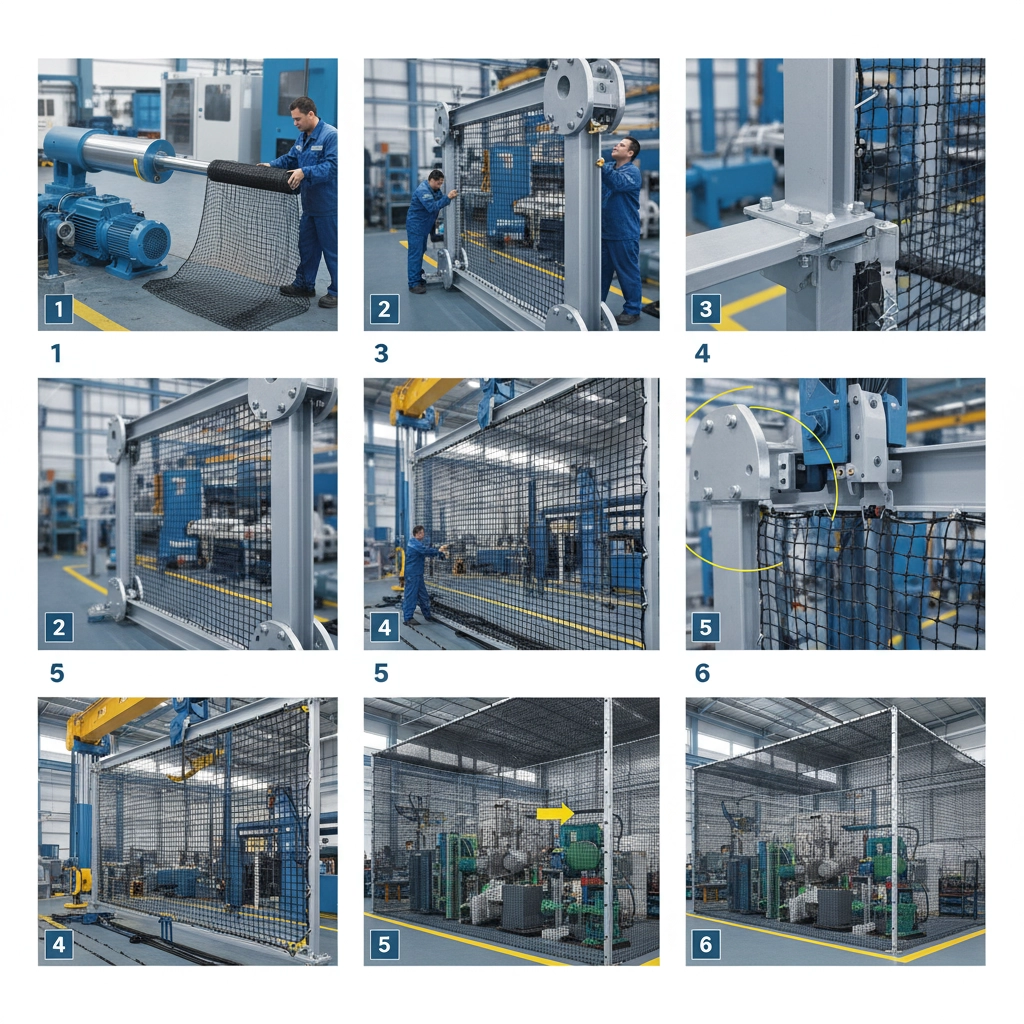
Another critical component is the tensioning system. Without proper anchors and stainless steel cables, bird deterrent netting can sag, creating pockets where birds might actually become trapped or find gaps to enter. Precision installation using professional-grade fasteners ensures that the net remains taut, maintaining both its functional efficiency and its unobtrusive appearance.
Finally, the adaptability of the mesh size is a key factor. Different species require different apertures; for example, small sparrows require a much finer mesh than larger pigeons or gulls. By selecting the correct mesh density, facility managers can tailor their protection strategy to the specific avian threats present in their local geography, ensuring a high ROI on the installation.
Performance Metrics and Material Efficiency
Evaluating the success of a bird deterrent netting installation requires looking at metrics such as durability, installation speed, and the reduction in maintenance costs. When comparing different materials, polyethylene often outperforms nylon in wet environments due to its superior moisture resistance and lack of stretch, which keeps the barrier tight over several seasons.
The economic impact is most visible when comparing the initial cost of installation against the recurring costs of manual bird removal and chemical treatments. Data suggests that a one-time investment in high-grade netting can reduce annual cleaning costs by up to 80% in industrial settings.
Comparative Effectiveness of Bird Deterrent Netting Methods
Global Applications and Industrial Use Cases
In remote industrial zones, such as mining facilities or oil rigs, bird deterrent netting is used to protect sensitive electronic equipment and ventilation intakes from nesting birds, which could otherwise lead to overheating or system failure. The ability to deploy these nets in harsh, salty coastal environments without corrosion is a primary reason for their widespread use in maritime logistics hubs.
Similarly, in the food and beverage industry, netting is deployed in the rafters of processing plants to meet strict HACCP (Hazard Analysis and Critical Control Points) requirements. By preventing birds from entering production areas, companies avoid the risk of salmonella and other avian-borne pathogens, ensuring that consumer safety is never compromised.
Long-term Economic and Environmental Value
The long-term value of investing in bird deterrent netting extends beyond simple cost-saving. From a sustainability perspective, netting is a "passive" system. Unlike sonic deterrents that cause noise pollution or chemical gels that can leach into the soil, netting requires no power and leaves no toxic residue. This makes it an eco-friendly choice for organizations striving to meet ESG (Environmental, Social, and Governance) goals.
Psychologically, a bird-free facility conveys a sense of professionalism, hygiene, and control. For clients visiting a manufacturing plant, the absence of bird droppings and nesting materials indicates a high level of attention to detail and facility maintenance. This builds trust and reinforces the brand's commitment to quality.
Reliability is the final piece of the value proposition. Once a professional netting system is installed, it provides 24/7 protection without the need for constant human intervention. This reliability allows facility managers to focus on core operational tasks rather than the unending cycle of bird cleanup, effectively increasing the overall productivity of the workforce.
Future Innovations in Bird Deterrent Technology
The future of bird deterrent netting is moving toward "smart" materials. Research is currently underway into bio-mimetic polymers that can change texture or color based on temperature, potentially making the nets even more invisible to humans while remaining highly detectable to birds. Additionally, the integration of recycled ocean plastics into the manufacturing process is reducing the carbon footprint of these products.
Automation is also playing a role in the deployment phase. The use of drones for the initial survey and tension-mapping of large-scale industrial ceilings allows for more precise netting layouts, reducing material waste and installation time. This digital transformation ensures that exclusion zones are airtight, leaving no gap for even the smallest avian intruders.
As global policies shift toward more humane wildlife management, we expect to see a rise in "escape-proof" designs. These innovations ensure that while birds are deterred from entering, any bird that accidentally finds its way in can easily be guided out, aligning industrial needs with ethical conservation standards.
Comparative Analysis of Advanced Bird Deterrent Netting Systems
|
Material Type
|
UV Resistance Score
|
Installation Complexity
|
Lifespan (Years)
|
| HDPE UV-Stabilized |
9/10 |
Medium |
10-15 |
| Polypropylene |
6/10 |
Low |
5-7 |
| Nylon Braided |
7/10 |
Medium |
7-10 |
| Stainless Steel Mesh |
10/10 |
High |
25+ |
| Eco-Polymer Hybrid |
8/10 |
Medium |
12-18 |
| Reinforced PVC |
7/10 |
Low |
8-12 |
FAQS
No, professional-grade bird deterrent netting is designed to be a physical barrier that prevents entry. When installed correctly and kept taut, birds simply cannot get through the mesh, thus avoiding entanglement. It is a humane alternative to poisons or traps, as it redirects the animals to other natural habitats without causing injury.
Depending on the material, the lifespan varies. UV-stabilized HDPE nets typically last between 10 to 15 years, while premium stainless steel options can last over 25 years. The key to longevity is the quality of the UV inhibitors added during manufacturing and the tension of the installation, which prevents sagging and wear.
High-quality netting is specifically engineered to be nearly invisible. By using thin, high-tensile filaments and colors that blend with the building's architecture (such as clear, black, or beige), the impact on the visual aesthetics of a facility is minimal. From a distance, the netting is often completely undetectable to the human eye.
Absolutely. In fact, bird deterrent netting is highly recommended for food-safe zones. It provides a permanent exclusion barrier that prevents contamination from feathers and droppings, helping companies comply with international food safety regulations like HACCP and FDA guidelines.
The mesh size depends on the target bird. For larger birds like pigeons or gulls, a 50mm mesh is usually sufficient. However, for smaller birds like sparrows or starlings, a finer 19mm or 25mm mesh is required. A professional survey of the local bird population is always the best way to determine the correct specification.
Maintenance is minimal but important. We recommend a bi-annual inspection to ensure the cables remain tight and the net hasn't been damaged by external debris. Occasional cleaning with a low-pressure water hose to remove dust and debris can also help maintain the transparency and integrity of the polymer filaments.
Conclusion
In summary, bird deterrent netting represents a sophisticated synthesis of material science and strategic facility management. By providing a durable, humane, and virtually invisible barrier, it solves the critical challenge of avian intrusion in industrial and agricultural settings. From reducing maintenance costs and upholding health standards to ensuring the safety of aviation infrastructure, the long-term benefits of these systems far outweigh the initial investment.
Looking forward, the evolution of smart materials and eco-friendly manufacturing will further refine the efficiency of avian exclusion. For any organization looking to secure its assets and improve operational hygiene, the transition to professional netting is a logical and sustainable step. We encourage facility managers to prioritize high-UV resistance and precision installation to maximize the lifecycle of their protection. Visit our website: www.fcyhydraulics.com