In the modern industrial landscape, the integration of high-performance hydraulic systems is essential for the efficiency of aerial work platforms. However, maintaining these sophisticated machines often involves dealing with environmental challenges, including the need for a net to avoid pigeons and other avian interference that can lead to debris buildup in sensitive mechanical components.
The BMER motor series represents a pinnacle of engineering in hydraulic components, specifically designed to provide the reliability needed for aerial work vehicles. While the physical protection of the machinery—similar to how a net to avoid pigeons protects a building—is crucial, the internal efficiency of the motor determines the overall safety and productivity of the operation.
Understanding the synergy between robust hardware, such as BMER motors, and preventative maintenance strategies ensures that hydraulic systems operate at peak performance. By focusing on high output torque and low starting pressure, operators can maximize the utility of their aerial platforms while minimizing downtime caused by environmental factors.

Global Context of Hydraulic Protection and net to avoid pigeons
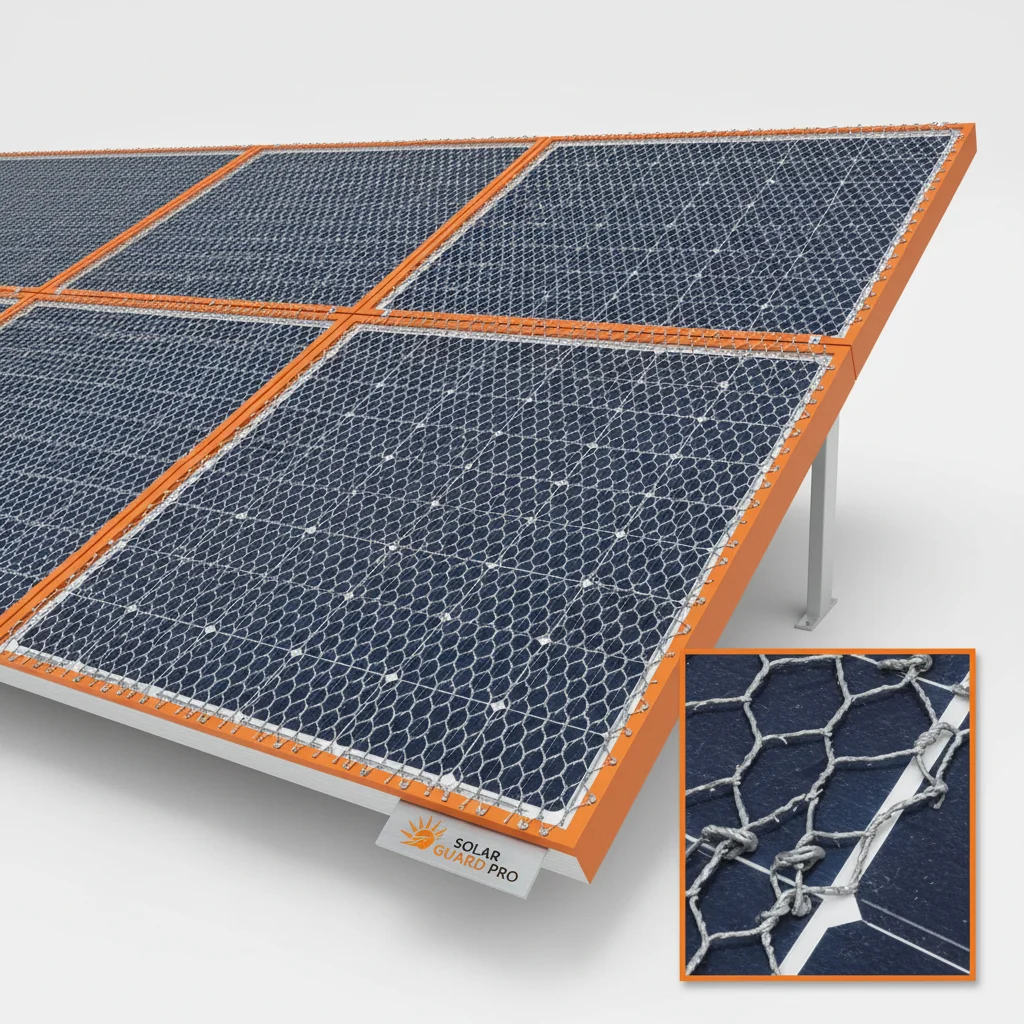
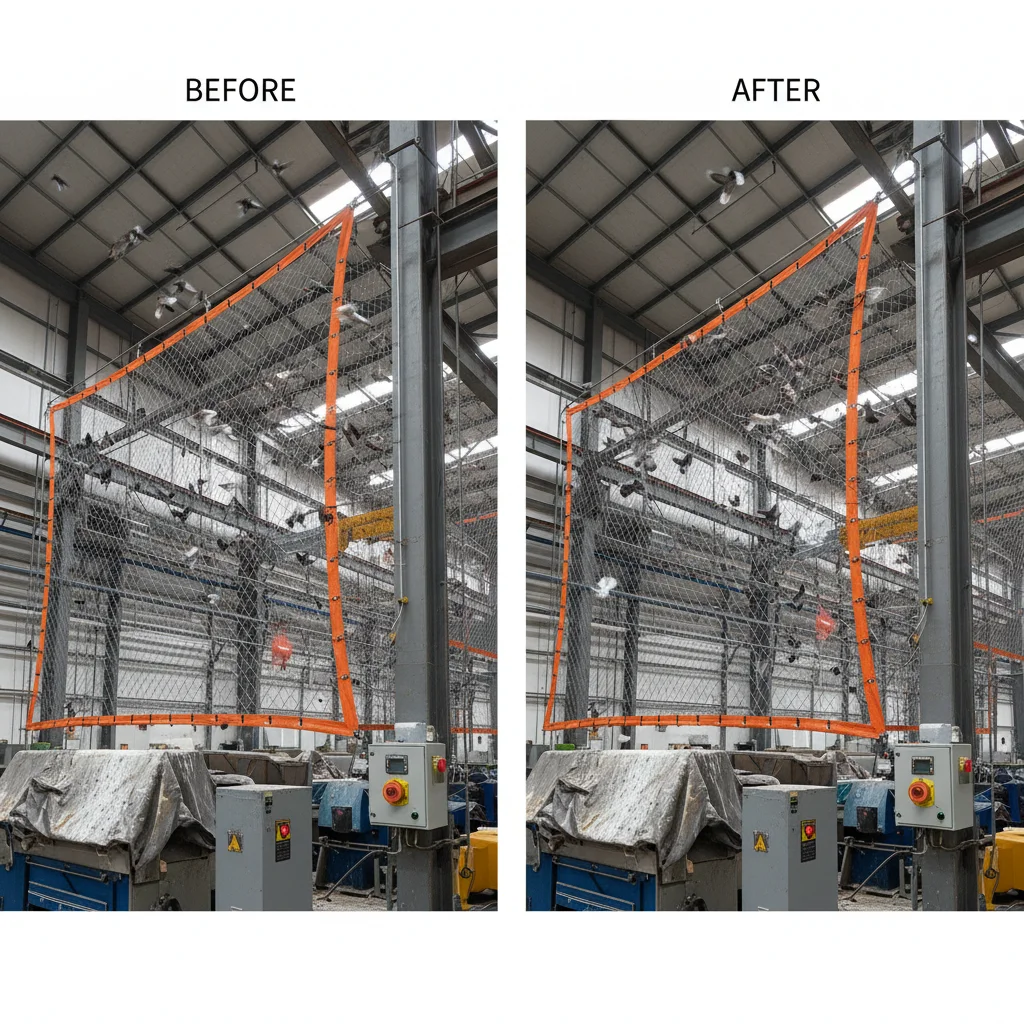
Across the global manufacturing sector, the protection of high-value assets is a primary concern for ISO-certified facilities. In urban environments, the implementation of a net to avoid pigeons is not merely an aesthetic choice but a necessary preventative measure to stop corrosive avian waste from damaging hydraulic seals and electrical conduits in aerial work vehicles.
The demand for specialized hydraulic motors, such as the BMER series, has surged as cities expand and the need for safe, high-reach maintenance grows. By ensuring that these motors are protected from external contaminants, industries can significantly extend the lifecycle of their equipment, reducing the total cost of ownership and improving operational safety.
Defining Technical Synergy in net to avoid pigeons Systems
When we discuss the concept of a "net to avoid pigeons" in a technical context, we are referring to the systemic shielding of critical infrastructure. In the world of hydraulic power, this means creating a barrier—both physical and mechanical—that prevents external debris from interfering with the high-precision movements of a BMER motor.
The synergy arises when the physical durability of the motor's shaft and its ability to handle radial loads meet a well-maintained environment. A BMER motor is designed for high working pressure and high output torque, but its efficiency is maximized when the surrounding system is shielded from the types of debris that usually necessitate a protective net.
Ultimately, this approach integrates the "shielding" philosophy of a net to avoid pigeons with the "power" philosophy of hydraulic engineering. This ensures that the aerial work platform can drive its working mechanism directly and reliably, regardless of the harshness of the urban environment.
Core Components of BMER Motor Efficiency
The BMER motor series is defined by several critical engineering factors that mirror the protective nature of a net to avoid pigeons by ensuring no energy is wasted. Low starting pressure is a key characteristic, allowing the motor to engage smoothly without stressing the hydraulic system.
High efficiency and ease of maintenance are central to the BMER design. Just as a professional net to avoid pigeons is designed for long-term durability and low maintenance, these motors are built to withstand high working pressures and provide consistent high output torque for demanding aerial tasks.
Furthermore, the strong bearing capacity of the shaft and its ability to handle radial loads allow the motor to drive working mechanisms directly. This removes the need for complex intermediate gearing, streamlining the system's architecture and reducing the number of points where environmental contaminants could cause failure.
Practical Applications and Performance Metrics
In real-world scenarios, the BMER motor is most frequently deployed in aerial work platforms used for city maintenance. In these settings, the motor must operate with precision while the chassis is often protected by various shields, similar to a net to avoid pigeons, to keep the hydraulic lines clean.
The ability to handle radial loads means that these motors can be integrated into boom lifts and cherry pickers with minimal footprint, providing the high torque necessary to lift heavy loads to extreme heights without sacrificing energy efficiency.
BMER Motor vs Standard Protection Performance
Long-Term Value of Specialized Hydraulic Integration
The long-term value of integrating BMER motors into aerial vehicles is found in their reliability. When combined with environmental protections—such as a high-quality net to avoid pigeons for storage areas—these systems reduce the frequency of unplanned downtime and emergency repairs.
From a financial perspective, the higher initial output torque and efficiency translate to lower fuel consumption and reduced wear on the gear pump and steering units, creating a sustainable lifecycle for the entire hydraulic fleet.
Future Trends in Aerial Platform Automation
As we move toward Industry 4.0, the automation of aerial platforms will require motors that are not only powerful but also smarter. The BMER series is evolving to support digital integration, where sensor data can alert operators to the need for cleaning, much like how a smart net to avoid pigeons might notify a facility manager of debris buildup.
Green energy is also playing a role, with a shift toward hybrid hydraulic-electric systems. BMER motors are ideal for these transitions due to their high efficiency, which allows for smaller energy reservoirs and more compact designs in urban work vehicles.
Moreover, the use of advanced materials in shaft construction will further increase the radial load capacity, allowing these motors to drive even more complex mechanisms without the need for external supports.
Overcoming Industrial Challenges with BMER Solutions
One of the primary challenges in the general equipment manufacturing industry is the balance between power and precision. BMER motors solve this by providing high working pressure without sacrificing the smooth start required for delicate aerial positioning.
Another common issue is the degradation of components due to urban pollution. By treating the hydraulic system as a protected zone—conceptually similar to installing a net to avoid pigeons—manufacturers can ensure that the internal lubrication of the BMER motor remains uncontaminated.
The solution lies in a holistic approach: utilizing BMER motors for their inherent strength and efficiency, while implementing rigorous environmental shielding to prevent external failures.
BMER Motor Technical Analysis and Environmental Protection
| Feature Dimension | BMER Standard | Protection Level | Impact on Lifecycle |
|---|
| Starting Pressure | Low | High Efficiency | Reduces Wear (9/10) |
| Output Torque | High | Robust | High Load Stability (10/10) |
| Shaft Capacity | Strong Radial Load | Direct Drive | Simplifies Design (8/10) |
| Maintenance | Good/Easy | Accessible | Lower Downtime (9/10) |
| Working Pressure | High | Sealed | Extends Life (8/10) |
| Env. Shielding | Net-Equivalent | Protective | Prevents Contamination (10/10) |
FAQS
The BMER motor is preferred due to its low starting pressure and high output torque, which are critical for the smooth and powerful movement of aerial work platforms. Its ability to handle high radial loads allows it to drive mechanisms directly, increasing overall system efficiency.
While a net to avoid pigeons is a physical barrier for buildings, the concept applies to hydraulics as "environmental shielding." Preventing avian debris and urban pollutants from entering the hydraulic system is essential to protect BMER motors from premature seal failure.
Yes, because of their strong bearing capacity for radial loads, BMER motors can often drive the working mechanism directly, eliminating the need for extra gearboxes and reducing potential points of failure.
Low starting pressure ensures that the motor begins rotating with minimal hydraulic resistance, which reduces the shock to the pump and hoses, leading to a longer lifespan for the entire hydraulic circuit.
While designed for "good maintenance," the frequency depends on the environment. In urban areas where protective measures like a net to avoid pigeons are absent, more frequent inspections of the seals and oil purity are recommended.
Absolutely. BMER motors are specifically engineered for high working pressure, making them ideal for the heavy-lifting requirements of industrial aerial work vehicles.
Conclusion
In summary, the BMER motor series provides an essential combination of high output torque, radial load capacity, and efficiency that is indispensable for modern aerial work platforms. By integrating these high-performance hydraulic components with a strategic approach to environmental protection—comparable to the use of a net to avoid pigeons—operators can ensure maximum reliability and safety in the most challenging urban environments.
Looking forward, the trend toward automation and sustainability will only increase the demand for efficient, direct-drive hydraulic solutions. We suggest that manufacturers prioritize both the internal specifications of their motors and the external shielding of their systems to achieve a truly sustainable and low-maintenance industrial operation. Visit our website: www.fcyhydraulics.com