

Tie rod cylinders represent a fundamental component in fluid power systems, utilized where moderate pressure and reliable linear actuation are required. Unlike welded constructions, these cylinders employ threaded tie rods to secure the end caps to the cylinder head, allowing for a simplified assembly process and easier maintenance. For procurement managers and engineers, identifying the right tie rod hydraulic cylinder manufacturers is critical to ensuring that the equipment meets specific lateral load requirements and operational duty cycles.
In the context of industrial machinery—ranging from agricultural equipment to construction vehicles—the choice of cylinder architecture directly impacts the overall system efficiency. While heavy-duty mining applications might require welded designs, tie rod versions are prized for their versatility and cost-effectiveness in general equipment manufacturing. Understanding the nuances of rod tensile strength and seal compatibility allows buyers to optimize their supply chain and reduce the total cost of ownership over the machinery's lifespan.
This technical guide explores the engineering principles behind tie rod constructions, the criteria for evaluating global suppliers, and the practical considerations for integrating these components into complex hydraulic circuits. Readers will gain insights into how precision manufacturing affects volumetric efficiency and how to navigate the trade-offs between standard off-the-shelf units and fully customized OEM solutions, ensuring maximum reliability in demanding industrial environments.
Engineering Fundamentals of Tie Rod Cylinders
The core mechanism of a tie rod cylinder involves a piston and rod assembly enclosed within a cylinder tube, where the structural integrity is maintained by long, threaded rods that pass through the end caps. This design creates a bolted joint that handles the axial forces generated by hydraulic pressure. From a technical perspective, the effectiveness of this design depends on the precision of the threading and the torque applied during assembly. When these components are aligned perfectly, the system minimizes internal leakage and ensures a smooth stroke. For those researching tie rod hydraulic cylinder manufacturers, it is essential to note that the quality of the tube's inner bore finish directly correlates with the longevity of the seals, reducing friction and preventing premature wear.
Strategic Sourcing and Selection Guide
Selecting the optimal hydraulic actuator requires a balance between technical specifications and procurement realities. The following sections detail the primary dimensions of evaluation that engineers should use when vetting potential production partners and specifying component requirements.
Design Architecture and Load Distribution
The primary advantage of the tie rod configuration is its suitability for applications with lower lateral loads compared to welded cylinders. However, the distribution of stress across the tie rods must be calculated to prevent bowing or failure under peak pressure. Buyers should evaluate the grade of steel used for the rods and the precision of the end-cap machining to ensure uniform pressure distribution.
| Evaluation Factor | Requirement | Risk of Failure | Buyer Question |
|---|---|---|---|
| Rod Tensile Strength | High-grade Alloy Steel | Structural deformation | What is the yield strength of the tie rods? |
| Bore Precision | Honed finish (Ra 0.4-0.8) | Excessive internal leakage | What is the internal surface roughness? |
| End Cap Fit | Precision machined seats | Fluid bypass/leaks | How are the end caps seated and torqued? |
| Seal Material | NBR or Viton (temp dependent) | Pressure drop/leakage | Are seals compatible with my hydraulic oil? |
| Mounting Type | Clevis, Flange, or Trunnion | Misalignment/Shear | Does the mount support lateral loads? |
| Rod Coating | Chrome plating or Ceramic | Corrosion/Seal wear | What is the thickness of the chrome layer? |
Material Integrity and Surface Treatment
Material selection is the first line of defense against operational failure. High-carbon steel or alloy steel is typically used for the cylinder tube and rod to resist deformation. Furthermore, surface treatments such as hard chrome plating are essential to protect the piston rod from corrosion and abrasive wear. When sourcing from professional manufacturers, verify that the plating process is uniform, as any pitting or unevenness can shred the rod seals during the stroke cycle.
Sealing Technology for High-Pressure Environments
The sealing system determines the volumetric efficiency of the actuator. A combination of wiper seals, rod seals, and piston seals must work in harmony to prevent fluid loss and contaminant ingress. In demanding environments, such as agricultural or construction machinery, reinforced seals are necessary to withstand the presence of dust and moisture. Assessing a supplier's ability to provide high-pressure shaft seals ensures the system maintains integrity under extreme spikes in pressure.
Application-Specific Customization
Standardized cylinders often fail to meet the specific spatial constraints of complex machinery. Customization options—such as variable bore diameters, custom stroke lengths, and specialized mounting interfaces—are where a manufacturer's engineering capability becomes evident. Whether it is a parallel or series connection in a larger hydraulic circuit, the ability to customize oil port options ensures a seamless fit into the existing machinery layout without requiring extensive modifications.
Evaluating Manufacturing Precision
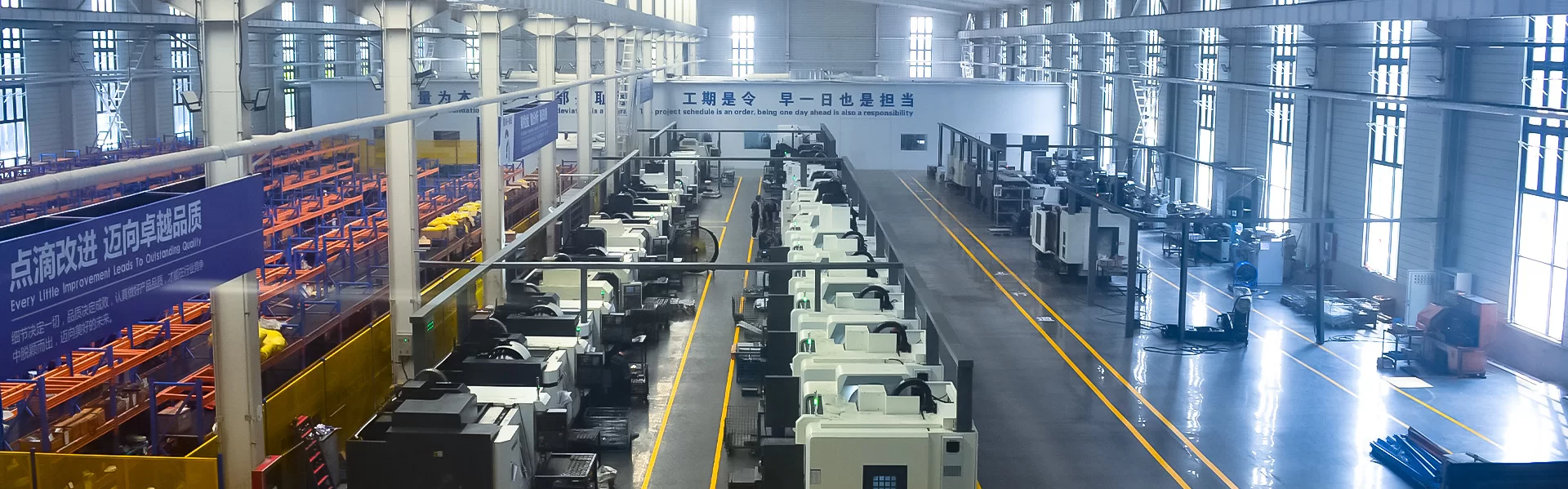
Precision in manufacturing is not just about tolerances but about consistency. A manufacturer that employs CNC machining and automated honing processes can provide a much tighter variance between units, which is vital for OEM assembly lines. For those managing large fleets of machinery, consistency in the piston-to-bore clearance reduces the likelihood of individual unit failure and simplifies the procurement of replacement parts.
Maintenance Cycles and Lifecycle Value
The total cost of ownership is driven by the interval between maintenance events. Tie rod designs are inherently easier to service because the end caps can be removed without cutting the cylinder. To maximize lifecycle value, buyers should implement scheduled seal inspections and oil quality checks. Selecting a supplier that provides comprehensive testing reports for every unit helps in predicting the operational life and scheduling downtime more effectively.
Risk Mitigation in Global Procurement
When sourcing hydraulic components internationally, risks include lead-time volatility and quality variance. Mitigating these risks requires a partner with a proven export history and a robust quality assurance system. Verifying that a manufacturer serves a global client base—including markets in the USA, Canada, and Europe—indicates that their products meet international standards for safety and performance, reducing the risk of receiving sub-standard components.
FAQ
What is the main difference between tie rod and welded hydraulic cylinders?
The primary difference lies in the construction of the end caps. Tie rod cylinders use threaded rods to hold the caps in place, making them easier to disassemble for repair and more cost-effective for moderate pressure applications. Welded cylinders have the end caps permanently welded to the tube, providing much higher strength and the ability to withstand extreme pressures and heavier lateral loads, though they are more difficult to service.
How do I choose the correct rod diameter for my application?
Rod diameter selection depends on the buckling load and the required extension length. A longer stroke increases the risk of the rod bending under load. You must calculate the maximum compressive force and apply a safety factor (typically 3:1 or 4:1) to ensure the rod remains stable. Consulting with an engineering expert to analyze the lateral loads is highly recommended to avoid structural failure.
What factors contribute most to seal failure in tie rod cylinders?
Seal failure is most commonly caused by fluid contamination, extreme temperature fluctuations, and improper rod surface finish. Abrasive particles in the hydraulic oil can score the seals, while excessive heat can harden them, leading to leaks. Using high-quality wiper seals and ensuring the piston rod is hard-chrome plated can significantly extend the service life of the internal sealing elements.
Can tie rod cylinders be used in agricultural machinery?
Yes, they are widely used in agricultural equipment for functions like lift mechanisms and folding arms. Because agricultural environments are often dusty and exposed, it is critical to specify robust external wipers and corrosion-resistant coatings. Their ease of maintenance makes them an ideal choice for machines that operate in the field and require quick turnaround during repair cycles.
What should I look for when evaluating a global hydraulic component supplier?
Look for a manufacturer with a diverse global customer base and a transparent quality control process. They should provide detailed material certifications, testing reports for each unit, and offer customization for flanges and shafts to ensure compatibility. Experience in OEM requirements and a history of exporting to regions with strict standards, such as the EU or North America, is a strong indicator of reliability.
How does the tie rod design affect the cylinder's volumetric efficiency?
The design itself doesn't dictate efficiency as much as the precision of the components. If the tie rods are not torqued evenly, the end caps may slightly tilt, causing an uneven gap between the piston and the bore, which leads to internal leakage. High-precision manufacturing ensures that the cylinder remains perfectly concentric, maximizing the volumetric efficiency and ensuring consistent force delivery.
References and further reading
- Fluid Power Society - Standards for Hydraulic Actuator Design and Testing.
- ISO 6020: Hydraulic fluid power — Cylinders — Dimensions.
- Technical Manual on Hard Chrome Plating for Hydraulic Rods.
Related Articles


