
Telescopic Hydraulic Cylinder Price and Orbital Motor Efficiency
When evaluating the operational efficiency of heavy-duty machinery, the selection of hydraulic drive components often determines the total cost of ownership. For engineers and procurement managers, finding a balance between high-torque performance and long-term durability is critical. Whether you are upgrading a concrete pump or designing a new earthmoving vehicle, the mechanical efficiency of your orbital motors and cylinders directly impacts fuel consumption and cycle times. Understanding the factors that influence the telescopic hydraulic cylinder price and overall system integration is essential for optimizing machinery uptime in harsh environments.
At Fitexcasting, we specialize in the R&D and production of core hydraulic components, including high-torque orbital motors and precision cylinders. By integrating gerolor design and advanced rolling bearing structures, our products ensure higher oil distribution accuracy and greater lateral load capacity. This technical approach allows our clients in the construction, mining, and agricultural sectors to achieve stable speed and reliable pressure handling even under extreme parallel or series connections.

Technical Engineering of Gerolor Design and Mechanical Efficiency
The core of high-performance hydraulic motion lies in the internal architecture of the motor. Our orbital hydraulic motors utilize a sophisticated gerolor design, which is specifically engineered to enhance oil distribution accuracy. This design minimizes internal leakage and maximizes mechanical efficiency, ensuring that the input hydraulic energy is converted into torque with minimal loss. For operators of forest or fishery machinery, this means a more responsive system that can handle varying load conditions without sacrificing stability.
Furthermore, the integration of a rolling bearing design significantly increases the lateral load capacity of the shaft. Unlike standard bushing systems, rolling bearings reduce friction and wear during high-torque operations. This is particularly beneficial for industrial vehicles where radial loads are frequent and intense. Combined with a reliable shaft seal design, these components can bear higher pressures and are versatile enough to be utilized in both parallel and series circuit configurations.
The flexibility of our product line is further evidenced by the variety of connection types available. We provide multiple options for flanges, output shafts, and oil ports to ensure seamless integration into existing OEM frameworks. This adaptability reduces the need for custom adapters and simplifies the maintenance process for global distributors.

Operational Guidelines for Maximizing Hydraulic Component Lifespan
To ensure that BM series orbital motors—ranging from BM1 to BMM—operate at peak efficiency, strict adherence to fluid dynamics and thermal limits is required. The normal working oil temperature should be maintained between 20℃ and 60℃. While the system can handle a maximum operating temperature of 90℃, this should be limited to less than one hour to prevent seal degradation and viscosity breakdown.
Oil cleanliness is perhaps the most critical factor in preventing premature failure. We recommend a filtration accuracy of 10-30 microns. To further safeguard the system, installing a magnetic block at the bottom of the tank is highly effective in capturing metallic particles before they enter the hydraulic circuit. The solid pollution level must not exceed the 19/16 standard to avoid scoring the precision-machined internal surfaces.
Regarding viscosity, a kinematic viscosity of 42-74mm²/s at 40℃ is ideal. However, since hydraulic oil selection depends on the ambient temperature of the work site—whether in the frozen terrains of Canada or the heat of Brazil—custom oil selection is advised. It is also vital to ensure the motor is completely filled with oil before applying any load to prevent dry-start cavitation.
Industry Application Logic Across Heavy Machinery Sectors
The application of low-speed, high-torque hydraulic components varies significantly across different industrial scenes. In construction and concrete machinery, the focus is on stable pressure and consistent torque to manage heavy loads during pouring and lifting. The BM5 through BM10 series motors are particularly suited for these tasks as their output shafts are designed to bear larger axial and radial loads.
In the agricultural and earthmoving sectors, the requirement shifts toward versatility and direction conversion. The ability to switch forward and reverse directions conveniently while maintaining stable speeds is essential for tractor attachments and combine harvesters. Our components provide the necessary torque to penetrate hard soils while maintaining the energy efficiency required for long working hours.
For mining and forestry machinery, durability in harsh environments is the priority. These machines often operate in remote areas where maintenance is difficult. By employing high-grade materials and precision processes, our components offer the durability needed to withstand abrasive dust and extreme vibrations, maximizing the device efficiency and reducing the frequency of unplanned downtime.
Technical Selection and Maintenance Matrix
| Parameter | Recommended Range | Critical Limit | Impact of Non-Compliance |
|---|---|---|---|
| Operating Temperature | 20℃ - 60℃ | 90℃ (Max 1hr) | Seal Failure / Oil Thinning |
| Filtration Precision | 10 - 30 Microns | ISO 19/16 Level | Internal Scoring / Abrasion |
| Kinematic Viscosity | 42 - 74mm²/s | Application-Dependent | Reduced Lubrication / Overheating |
| Operational Load | 1/3 to 2/3 Rated | 100% Rated Peak | Accelerated Component Wear |
| Return Port Pressure | Standard Range | > 10MPa | Requires Leakage Port Relief |
Procurement Considerations for OEM and Global Trade
When sourcing hydraulic components for large-scale production or OEM requirements, procurement managers must look beyond the initial unit cost. A comprehensive evaluation should include the manufacturer's ability to provide one-stop services, encompassing design, manufacture, and after-sales support. Fitexcasting supports this by providing scene-matching components that are specifically tuned to the machinery's intended use, whether it be for a fishery vehicle or a mining drill.
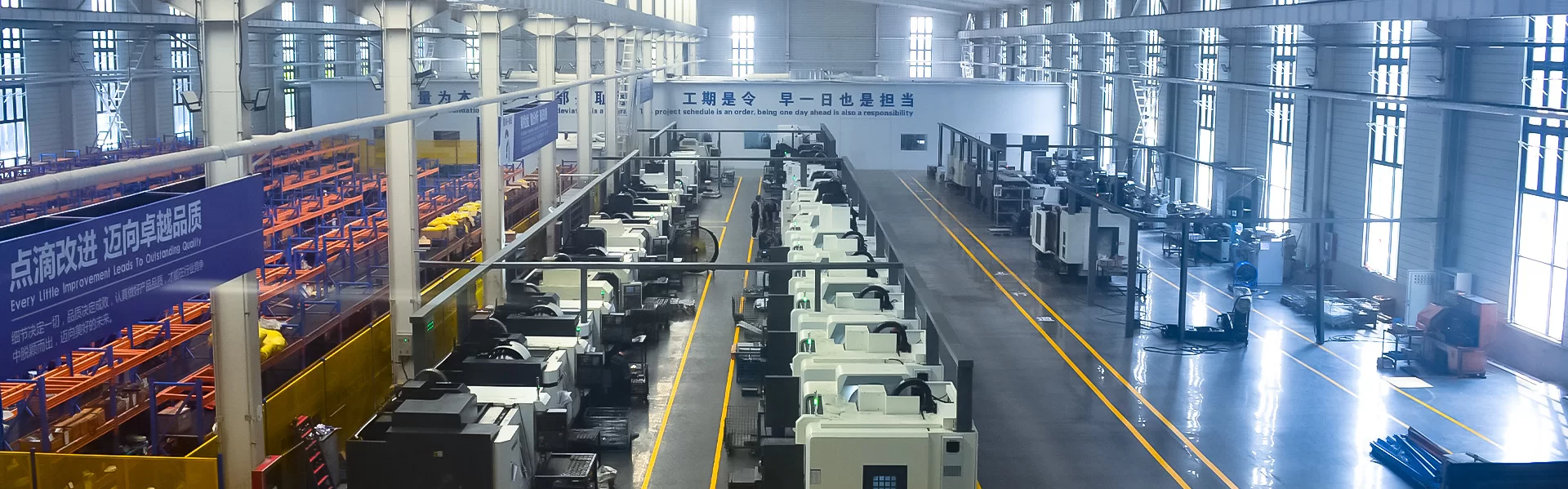
Customization is another key pillar of commercial procurement. OEM requirements often dictate specific flange types or shaft dimensions that are not available in standard catalogs. Our facility's 9300 square meter construction area and professional R&D capabilities allow us to execute these custom requests while maintaining strict quality control. This ensures that the delivered components fit perfectly into the assembly line, reducing installation time and engineering friction.
Furthermore, the reliability of the global supply chain is paramount. With a presence in over 100 exporting countries, including the USA, Germany, and Italy, we understand the logistical demands of international trade. By maintaining long-term relationships with overseas customers, we ensure that technical support and replacement parts are accessible, mitigating the risk of prolonged operational halts for the end-user.
Future Trends in High-Torque Hydraulic System Integration
The hydraulic industry is moving toward "intelligent efficiency," where the goal is to achieve higher torque with lower energy consumption. This trend is driving the development of more precise oil distribution mechanisms and the use of materials that can withstand higher pressures without increasing the overall weight of the component. The shift toward more sustainable agricultural and industrial machinery requires components that can operate efficiently across a wider range of temperatures and pressures.
We anticipate an increase in the demand for modular hydraulic systems that can be easily reconfigured for different tasks. This is where the versatility of our BM series motors becomes a competitive advantage. By offering a variety of connection types and the ability to operate in series or parallel, we enable manufacturers to create more flexible machinery that can adapt to different regional requirements without a total redesign of the hydraulic circuit.
Ultimately, the focus will remain on the total life cycle of the component. The practice of "break-in" loading—such as loading a motor for one hour at 30% of rated pressure—will become standard practice to ensure maximum service life. As machinery becomes more complex, the synergy between high-precision components and rigorous maintenance protocols will be the defining factor in operational success.
Frequently Asked Questions on Orbital Hydraulic Motors
What are the primary advantages of the gerolor design in hydraulic motors?
The gerolor design provides higher oil distribution accuracy and superior mechanical efficiency compared to traditional designs. This results in smoother rotation, reduced internal leakage, and more consistent torque output, which is critical for precision heavy machinery.
How does the rolling bearing design improve motor performance?
Rolling bearings significantly increase the motor's capacity to handle lateral and radial loads. This reduces friction and wear on the shaft, extending the operational life of the motor in applications like mining or construction where side-loading is common.
Can these orbital motors be used in series or parallel connections?
Yes, they are designed for both. However, if the oil return port pressure exceeds 10MPa (typically when rotation speed is below 200rpm), it is essential to implement pressure relief via the leakage port, preferably connecting it directly to the tank.
What is the recommended oil cleanliness level for the BM series motors?
We recommend a filtration accuracy of 10-30 microns, and the solid pollution level should not be higher than 19/16. Installing a magnetic block at the bottom of the tank is also highly recommended to prevent metal particles from entering the system.
How should I prepare a new motor before putting it into full operation?
To maximize service life, you should first ensure the motor is completely filled with oil. Then, perform a break-in period by loading the motor for one hour at approximately 30% of its rated pressure before moving to full operational loads.
Which motor models are best for high axial and radial loads?
The output shafts of the BM5, BM6, BM7, BM8, and BM10 series motors are specifically engineered to bear larger axial and radial loads, making them ideal for heavy-duty industrial and engineering applications.
Technical References and Industry Standards
- ISO Hydraulic Fluid Cleanliness Standards
- NFPA Fluid Power Technical Guidelines
- ASME Mechanical Engineering Standards
- Global Hydraulic System Trends and Research
Whether you are seeking to optimize existing equipment or developing new OEM machinery, choosing the right hydraulic partner is key to long-term reliability. If you have specific technical requirements or need a quote based on your configuration, please contact Fitexcasting today.
Industry Insights and Technical Solutions


