
Hydraulic actuation is the cornerstone of modern industrial automation, providing the immense force required for construction, mining, and agricultural machinery. Among these systems, bidirectional force application is critical, which is why sourcing from reputable double acting hydraulic cylinder manufacturers is a priority for project engineers. This article examines the technical nuances of these components and how to optimize their selection for heavy-duty environments.
In B2B procurement, the challenge often lies in balancing raw power with precision and longevity. Whether managing a fleet of earthmoving equipment or designing a specialized robotic arm, understanding the interaction between fluid pressure, bore size, and seal chemistry is essential. The ability to exert controlled force in both extension and retraction phases allows for complex movements that single-acting systems simply cannot achieve, making them indispensable in multi-industry adaptation solutions.
Readers will gain a comprehensive understanding of the engineering criteria used to evaluate actuator quality, the importance of integration with components like hydraulic rotators, and a framework for assessing supplier capabilities. By focusing on technical specifications and real-world application scenarios, this guide provides the necessary insights to reduce operational downtime and maximize the return on investment for hydraulic infrastructure.
Industrial Power Control Systems
The operational efficiency of heavy machinery depends on the seamless conversion of hydraulic energy into linear motion. A double acting hydraulic cylinder manufacturers focus on creating a closed-loop system where oil is pumped into either end of the cylinder to move the piston. This mechanism allows for precise control over the load during both the push and pull cycles, which is critical for applications such as concrete machinery and forest equipment. From an engineering perspective, the internal friction and volumetric efficiency of the cylinder determine the overall energy consumption of the machine. High-quality manufacturing processes, such as precision honing of the inner tube and rigorous testing of the piston seals, ensure that pressure loss is minimized. Furthermore, the integration of these components into larger systems—often involving pumps, valves, and orbital motors—requires a deep understanding of fluid dynamics to prevent cavitation and overheating, which are the primary causes of premature system failure in industrial vehicles.
Evaluating High-Performance Actuators
Selecting the right hydraulic component requires a transition from general specifications to application-specific requirements. For those sourcing from professional production facilities, the focus must shift toward how the hardware handles peak loads and environmental stress. The following analysis breaks down the critical dimensions of actuator performance and procurement.
Force Transmission Logic
The output force of a bidirectional actuator is a direct function of the oil pressure and the effective area of the piston. Because the rod occupies space on the retraction side, the "pull" force is always lower than the "push" force. Engineers must calculate these differentials to ensure the machine can handle the load in both directions without stalling. This logic is central to the design of grapples and lifting equipment where the return stroke must be as controlled as the extension.
| Design Factor | Technical Impact | Risk of Neglect | Buyer's Check |
|---|---|---|---|
| Bore Diameter | Determines maximum push force | Insufficient load capacity | Confirm wall thickness |
| Rod Diameter | Affects stability and pull force | Structural buckling | Check slenderness ratio |
| Operating Pressure | Defines power density | Seal blowout/leakage | Match pump output (bar) |
| Stroke Length | Defines range of motion | Seal wear / side loading | Verify maximum extension |
| Fluid Viscosity | Influences flow speed | Slow response/overheating | Verify oil compatibility |
| Piston Material | Dictates friction levels | Internal leakage/scoring | Check for hardened steel |
Material Durability Standards
In mining and earthmoving machinery, the cylinder is exposed to abrasive dust and corrosive elements. The choice of steel for the cylinder barrel and the rod is paramount. Hard chrome plating is typically used on the rod to provide a wear-resistant surface and prevent corrosion. Suppliers with advanced manufacturing capabilities utilize induction hardening to ensure the outer surfaces can withstand impacts without denting, which would otherwise destroy the seals during the stroke cycle.
Sealing Integrity in Harsh Zones
The seal is the most vulnerable point of any hydraulic system. High-performance actuators utilize multi-stage sealing systems, combining nitrile (NBR) or polyurethane (PU) for primary pressure retention and PTFE for low-friction gliding. In extreme temperature environments, such as forestry or fishery machinery, the seals must resist thermal degradation. A failure in sealing leads to internal bypass, where oil leaks across the piston, resulting in "drift" and loss of load-holding capability.
Customization for Heavy Machinery
Generic components rarely fit the complex needs of OEM requirements. Customization often involves adjusting the mounting style—such as clevis, flange, or trunnion mounts—to fit the specific chassis of an industrial vehicle. Fitexcasting emphasizes the importance of precise connection sizes, ranging from G1/4" to G1/2", to ensure compatibility with existing hydraulic manifolds and to facilitate rapid installation without the need for extensive modifications.
Integration with Rotary Units
Many advanced systems combine linear actuators with rotary motion. For example, the CR-B Series Hydraulic Rotator provides unlimited 360-degree rotation with torque up to 2700 Nm, often working in tandem with cylinders to position grapples or sorting claws. When these components are integrated, the hydraulic circuit must be balanced to ensure that the flow to the rotator (10-25 lpm) does not starve the cylinders of pressure, maintaining system-wide stability.
Maintenance Cycles and Lifecycle
The total cost of ownership is determined by the interval between seal replacements and rod refurbishments. A robust maintenance schedule includes regular lubrication of pivot points and monitoring for oil contamination. Using high-precision components reduces the frequency of "scoring" on the inner walls, extending the operational lifespan. Buyers should look for suppliers who provide clear guidelines on tightening torques for stud bolts (e.g., 40 to 125 Nm) to prevent leak-proof fits.
Supplier Verification Metrics
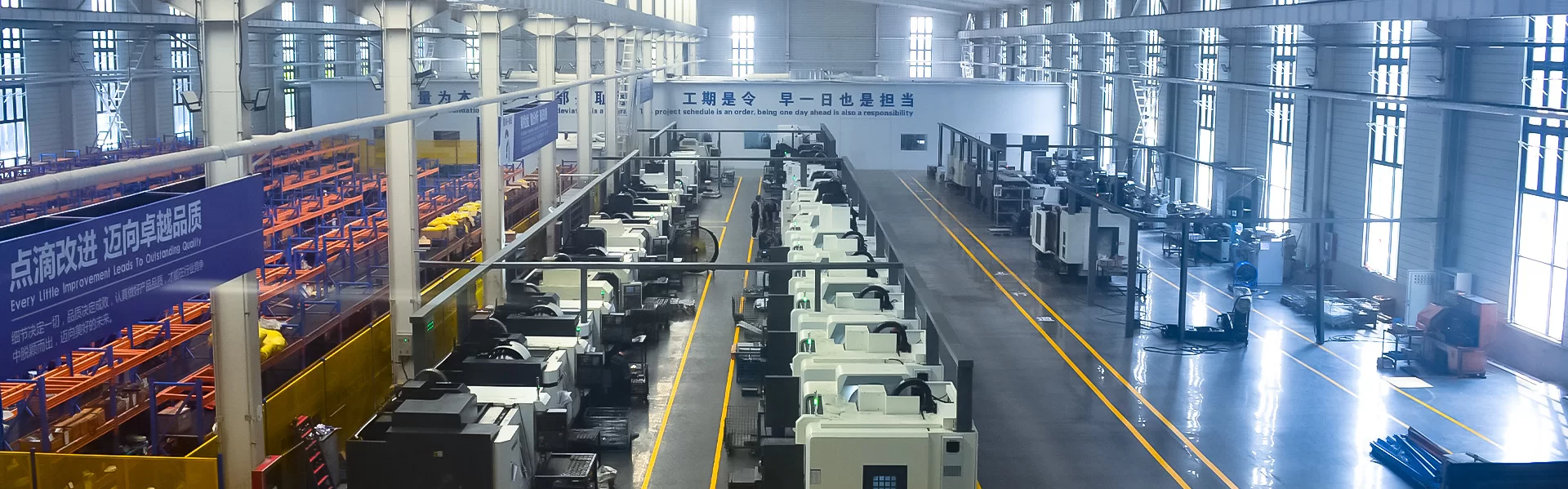
When evaluating a production partner, a buyer should analyze the facility's construction area and quality control standards. A professional setup, such as a 9300 square meter facility, typically suggests the capacity for large-scale OEM production and strict adherence to testing standards. Key indicators of a reliable partner include their experience in exporting to diverse markets (like the USA, Germany, and Brazil) and their ability to provide one-stop services from R&D to after-sales technical support.
FAQ
What is the primary difference between single-acting and double-acting actuators?
A single-acting actuator uses hydraulic pressure for one direction of movement and relies on gravity or a spring for the return. In contrast, a double-acting system uses hydraulic pressure for both extension and retraction, providing active control and significantly more power in both directions, which is essential for precision industrial lifting.
How do I choose the correct bore and rod size for my machinery?
Selection depends on the required force (Load = Pressure x Area). You must determine the maximum weight to be moved and the available system pressure. A larger bore increases the "push" force, while a thicker rod prevents buckling under heavy loads. It is recommended to consult with engineering teams to ensure the slenderness ratio is appropriate for the stroke length.
Why is the "pull" force lower than the "push" force in these systems?
In a bidirectional cylinder, the piston rod takes up a portion of the internal volume on the retraction side. Since the oil acts on the annular area (the ring around the rod) rather than the full face of the piston, the effective surface area is smaller, resulting in less total force for the same hydraulic pressure.
Which materials are best for high-corrosion environments like fishery machinery?
For corrosive environments, hard chrome plating is standard, but stainless steel rods or specialized epoxy coatings are preferred for maximum longevity. Additionally, using high-grade polyurethane seals provides better resistance to saltwater and chemicals than standard nitrile rubber, reducing the risk of premature leakage.
What should I look for when evaluating a hydraulic component supplier?
Evaluate their manufacturing scale, their history of OEM cooperation, and their global footprint. A supplier that exports to over 100 countries and possesses a dedicated quality control platform is more likely to meet international standards. Also, check if they offer "one-stop" services, including R&D and technical tuning for your specific application.
How does the use of a hydraulic rotator complement linear actuators?
While cylinders provide the linear push/pull for lifting or clamping, a rotator (like the CR-B series) adds a 360-degree rotational axis. Together, they enable complex movements such as rotating a grapple to a specific angle and then closing it, which is vital for efficiency in forestry and waste management.
References and further reading
- ISO 6020-1: Hydraulic fluid power — Cylinders — Basic requirements.
- Fluid Power Society (FPS) Technical Handbook on Actuator Design.
- Engineering Guide to Hydraulic Sealing Technology for Heavy Machinery.
Related Articles