

Selecting the right power transmission components is critical for the operational efficiency of any industrial system. For engineers and procurement officers, identifying reliable hydraulic cylinder manufacturers in china involves more than comparing price points; it requires a deep analysis of metallurgical quality, precision engineering, and the ability to withstand extreme pressure environments. This guide examines the technical benchmarks and procurement strategies necessary to secure high-performance hydraulic components.
In the context of global heavy machinery, the demand for precision-engineered cylinders has shifted toward components that offer a balance of low weight and high durability. Whether for earthmoving, mining, or agricultural equipment, the interface between the hydraulic pump and the actuator determines the overall energy consumption and lifespan of the machine. Understanding the nuances of material selection and connection forms is essential to avoid premature failure in the field.
Readers will gain a comprehensive understanding of how to evaluate technical specifications, from axial clearance compensation to shaft spline types. By mapping these technical requirements to actual manufacturing capabilities, such as those provided by Fitexcasting, buyers can mitigate procurement risks and ensure that the components integrated into their systems are optimized for their specific operational environment.
Sourcing Standards for Hydraulic Actuators
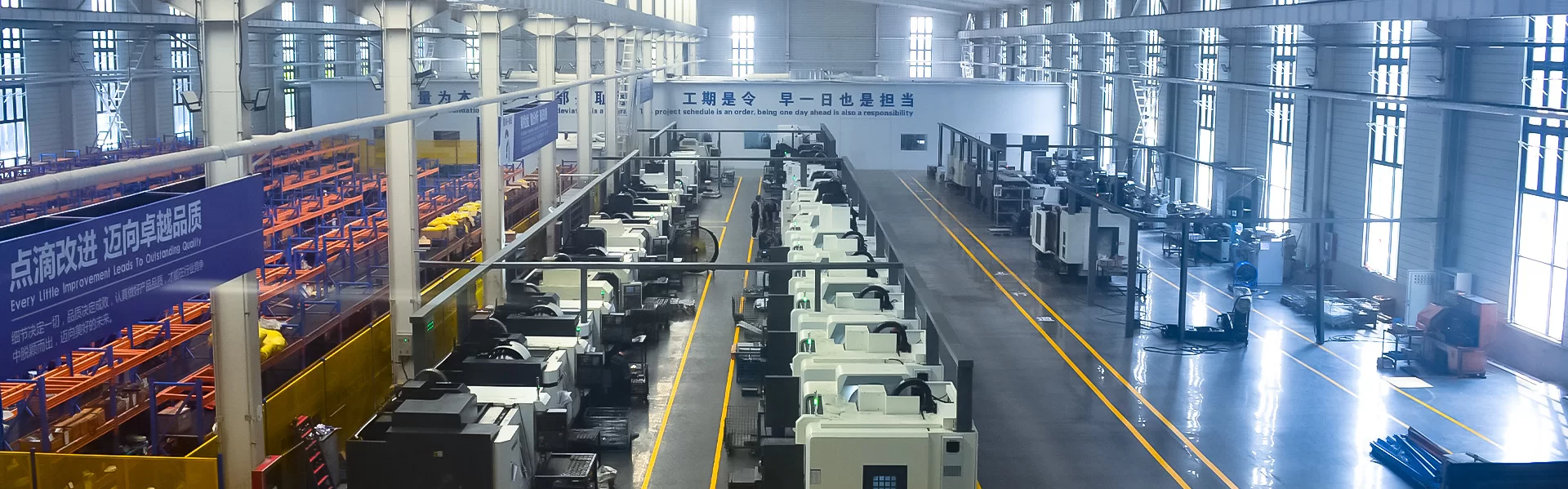
The global supply chain for hydraulic components is characterized by a vast range of quality tiers. To maintain industrial-grade reliability, sourcing must focus on the intersection of material science and manufacturing precision. High-performance cylinders rely on the seamless integration of seals, pistons, and barrels, where even a micron-level deviation can lead to internal leakage and significant pressure drops. Professional manufacturing involves not only the casting and machining of parts but also the implementation of rigorous testing protocols to ensure that the rated pressure is sustainable under cyclic loading. For B2B buyers, the focus should be on verifying the manufacturer's ability to provide consistent tolerances across large batches, which is a hallmark of advanced CNC machining and quality control systems in the hydraulic sector.
Strategic Procurement and Technical Evaluation
Evaluating a hydraulic supplier requires a structured approach that aligns technical capabilities with the end-user's application. The following sections detail the critical dimensions of component selection, emphasizing how specific design choices impact long-term performance and maintenance costs.
Material Integrity and Weight Optimization
The shift toward high-strength aluminum alloys in hydraulic components is driven by the need to reduce the dead weight of machinery without sacrificing structural integrity. Reducing installation labor intensity and improving the power-to-weight ratio are key goals. Aluminum alloys provide excellent corrosion resistance and thermal conductivity, which helps in dissipating heat generated during high-frequency cycles.
| Material Type | Key Property | Primary Advantage | Typical Use Case |
|---|---|---|---|
| High-Strength Aluminum | Low Density | Reduced Installation Labor | Mobile Machinery |
| Hardened Steel | High Wear Resistance | Extreme Pressure Load | Mining Drills |
| Stainless Steel | Corrosion Resistance | Chemical Stability | Fishery Machinery |
| Ductile Iron | Shock Absorption | Impact Resistance | Construction Equipment |
| Composite Alloys | Thermal Stability | Low Expansion | Precision Robotics |
| Chrome-Plated Steel | Surface Hardness | Reduced Seal Friction | Cylinder Rods |
Shaft Connection Configuration
The method of connecting the input shaft is a primary failure point if incorrectly specified. Options such as flat keys, rectangular splines, involute splines, and semicircle keys offer different levels of torque transmission and alignment tolerance. Involute splines, for instance, are preferred in high-torque applications due to their superior load distribution across the tooth surface, reducing the risk of shearing under sudden impact.
Porting and Connection Versatility
Inlet and outlet connection forms must match the existing system architecture to prevent leaks and pressure drops. Threaded connections are common for smaller, low-pressure systems, while flange connections are essential for high-flow industrial applications where a rigid, leak-proof seal is mandatory. The ability of a manufacturer to provide diverse porting options ensures seamless integration into various hydraulic circuits.
Efficiency and Compensation Mechanisms
One of the most advanced features in modern hydraulic pumps and cylinders is the axial clearance automatic compensation mechanism. This technology allows the component to maintain high volumetric efficiency over a longer operational period by automatically adjusting for internal wear. This reduces the frequency of overhauls and ensures a consistent flow rate even as the component ages.
Application in Heavy Machinery
Hydraulic components are the muscles of heavy industry. In concrete and earthmoving machinery, cylinders must handle extreme debris and varying temperatures. Fitexcasting focuses on adapting these components for diverse sectors, including forestry and mining, ensuring that the torque and pressure ratings are matched to the specific stressors of the operational environment, such as high-torque orbital requirements.
OEM and Customization Capabilities
For many B2B buyers, standard off-the-shelf components are insufficient. OEM requirements often involve custom stroke lengths, specialized mounting brackets, or modified seal materials for aggressive environments. A manufacturer's capacity to handle detailed OEM specifications—from R&D to final production—is a critical indicator of their technical maturity and commercial flexibility.
Global Supply Chain Reliability
Reliability in the hydraulic industry is measured by both product performance and supply chain stability. Companies that have established long-term relationships in markets like the USA, Canada, Germany, and Brazil demonstrate a capability to meet international quality standards. Full-process service, including technical support after delivery, is essential for maintaining global machinery uptime.
FAQ
What is the primary advantage of using aluminum alloy in hydraulic cylinders?
The primary advantage is the significant reduction in weight without a proportional loss in strength. This reduces the overall mass of the machine, which lowers fuel consumption and decreases the labor intensity required during installation and maintenance. Additionally, aluminum provides better natural corrosion resistance than untreated carbon steel.
How does axial clearance automatic compensation improve pump life?
As hydraulic components wear down, the gap (axial clearance) between moving parts increases, leading to internal leakage and efficiency loss. An automatic compensation mechanism dynamically adjusts this clearance, ensuring a tight seal is maintained. This prevents the drastic drop in volumetric efficiency that typically occurs toward the end of a component's service life.
Which shaft connection is best for high-torque orbital motors?
For high-torque applications, involute splines are generally superior to flat keys. They distribute the rotational force across multiple teeth rather than a single point of contact, which significantly reduces the risk of shaft shearing and allows for higher power density in a more compact design.
What should I check when evaluating a Chinese hydraulic supplier?
Buyers should evaluate the manufacturer's export history to a variety of regulated markets (such as the EU or USA), their specific R&D capabilities for OEM customization, and their quality control processes for material certification. Verifying that they can handle the complete system—from valves to pumps—often indicates a higher level of technical integration.
Can these cylinders be used in fishery or forestry machinery?
Yes, but they require specific adaptations. Fishery machinery requires high corrosion resistance due to saltwater exposure, while forestry machinery needs high impact resistance and robust sealing to prevent contamination from wood chips and dust. Selecting a manufacturer like Fitexcasting that offers multi-industry adaptation is key.
What is the difference between thread and flange connections for hydraulic ports?
Threaded connections are easier to install and are suitable for lower flow rates and pressures. Flange connections, however, provide a much more secure and rigid mechanical bond, making them the standard for high-pressure, high-vibration industrial environments where any leakage could be catastrophic.
References and further reading
- ISO 4413: Hydraulic fluid power — General rules and safety requirements for systems and their components.
- Fluid Power Society: Engineering standards for hydraulic cylinder seals and tolerances.
- Materials Science Review: Comparative analysis of aluminum alloys vs steel in high-pressure actuators.


