Hydraulic cylinders are essential components in numerous industries, providing the power to operate heavy machinery and equipment. Among the various sizes available, the 48 inch hydraulic cylinder stands out for its robust capabilities and wide range of applications. This article delves into the specifics of these large-bore cylinders, covering their features, applications, benefits, and crucial considerations when selecting one. We'll explore how FCY Hydraulics can provide the best solutions for your needs.
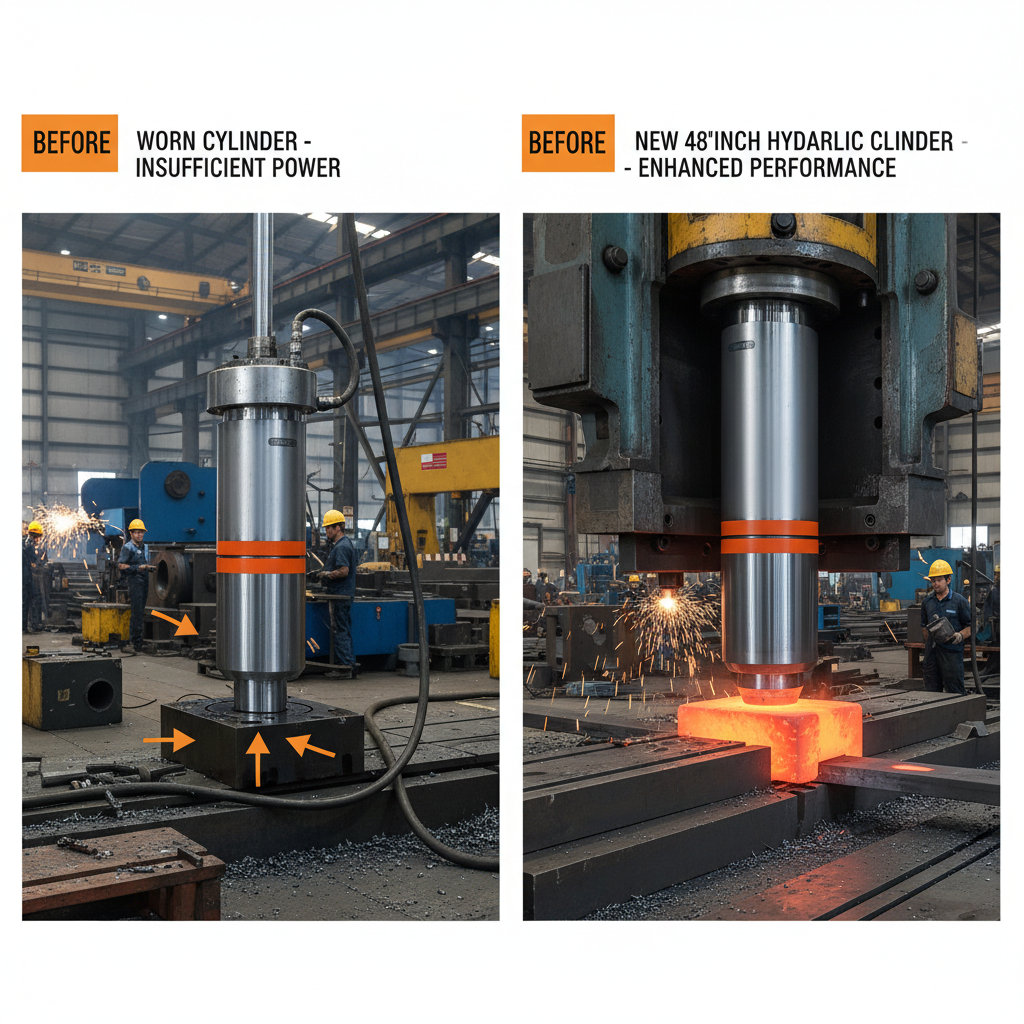
A 48 inch hydraulic cylinder, as the name suggests, has a bore diameter of 48 inches. This substantial size allows for the generation of extremely high forces, making them ideal for demanding applications. These cylinders operate on the principle of hydraulics, using pressurized fluid – typically oil – to create linear motion. The cylinder consists of a piston moving within a cylindrical barrel. Pressurizing one side of the piston extends the rod, while releasing the pressure allows it to retract. The large bore size directly translates to a larger piston area, and thus, greater force output for a given pressure.
Key Features: Large bore diameter for high force output, durable construction for heavy-duty applications, various mounting options available, customizable options to meet specific requirements.
Due to their impressive force capabilities, 48 inch hydraulic cylinders are frequently employed in industries requiring substantial lifting, pushing, or pulling power. Some common applications include:
Choosing the right 48 inch hydraulic cylinder is crucial for optimal performance and longevity. Several factors must be considered:
Understanding the specifications and available options for a 48 inch hydraulic cylinder is vital for matching the cylinder to your specific needs. Here’s a breakdown of typical specifications and options offered by FCY Hydraulics:
At FCY Hydraulics, we specialize in designing and manufacturing high-quality, custom hydraulic cylinders, including 48 inch models. We offer:
A 48 inch hydraulic cylinder is a powerful solution for demanding applications. Choosing a reputable manufacturer like FCY Hydraulics ensures you receive a high-quality, customized cylinder that meets your specific needs. Contact us today to discuss your project and discover how we can provide the power and reliability you require.
The lead time for a custom 48 inch hydraulic cylinder depends on the complexity of the design and our current production schedule. Generally, it ranges from 6 to 12 weeks from order confirmation to delivery. We strive to provide accurate lead time estimates during the quoting process. Factors influencing the lead time include material availability, machining requirements, and the need for specialized coatings or testing. We prioritize clear communication throughout the process to keep you informed of progress.
We offer a variety of seal materials to suit different operating conditions. Common options include Nitrile (NBR), Viton (FKM), Polyurethane (PU), and PTFE. Nitrile is a cost-effective general-purpose seal, while Viton provides excellent resistance to heat and chemicals. Polyurethane offers high abrasion resistance, and PTFE is ideal for high-pressure applications. Our engineers can recommend the most appropriate seal material based on the operating temperature, hydraulic fluid type, and pressure requirements of your application.
Yes, FCY Hydraulics offers a range of testing services to ensure the quality and performance of our cylinders. This includes hydrostatic testing, pressure testing, and cycle testing. We can also provide certification to relevant industry standards upon request. Our testing procedures are designed to verify that each cylinder meets the specified performance criteria and is safe for its intended application.
Regular maintenance is crucial for extending the life of your 48 inch hydraulic cylinder. This includes regularly checking the hydraulic fluid level and condition, inspecting the cylinder for leaks or damage, and lubricating the rod and seals. It's also important to keep the cylinder clean and protected from corrosion. We recommend establishing a preventative maintenance schedule based on the operating conditions and frequency of use. Refer to our documentation for detailed maintenance guidelines.