Hydraulic cylinders are crucial components in various industrial applications, providing the power to move heavy loads and perform demanding tasks. Among the diverse range of cylinder types, the 48 stroke hydraulic cylinder stands out due to its versatility and specific design features. This article will explore the features, applications, benefits, and considerations when selecting a 48-stroke hydraulic cylinder, offering a detailed overview for engineers, technicians, and procurement professionals. Understanding these cylinders is paramount for optimizing hydraulic systems and ensuring reliable operation.
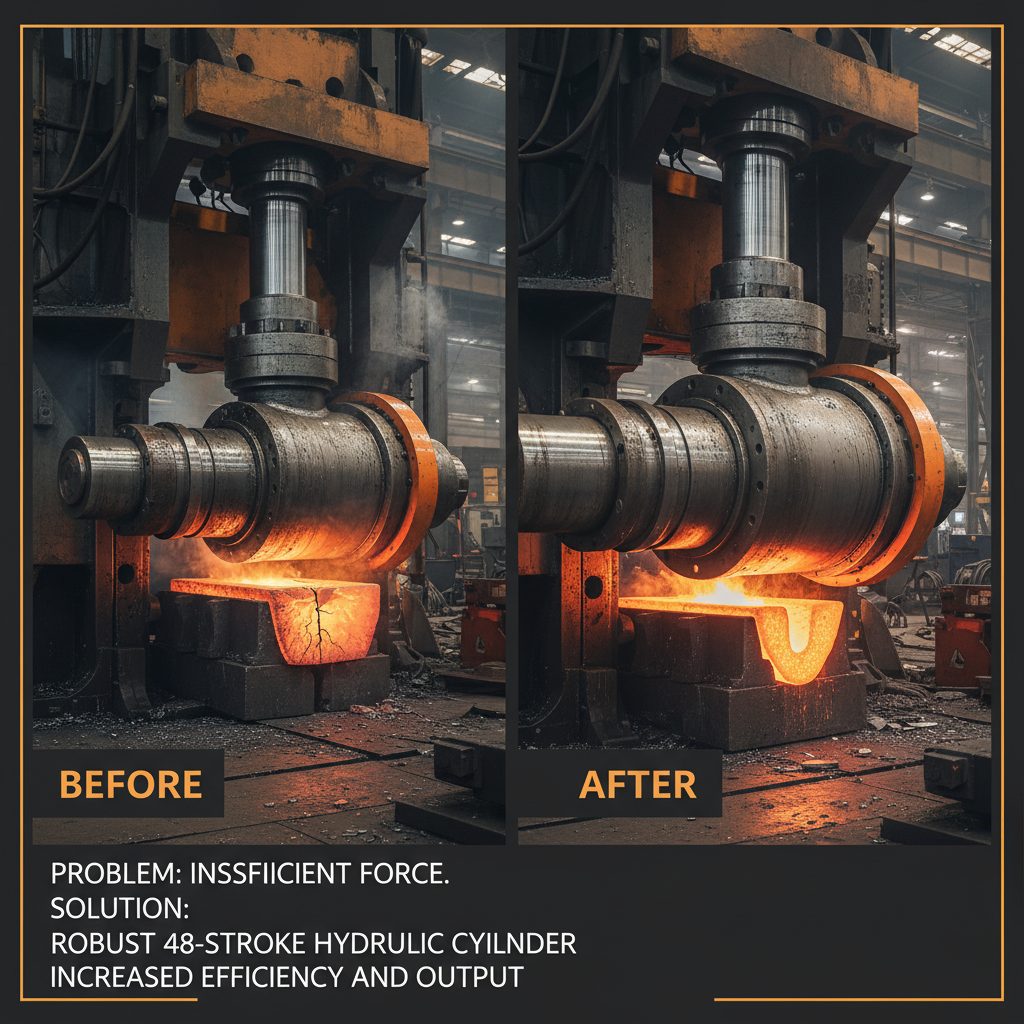
The term "48 stroke" refers to the cylinder's total travel distance – the maximum distance the piston can move within the cylinder. A 48-stroke cylinder has a travel of 48 inches. This longer stroke length is beneficial in applications requiring extensive linear movement, such as large-scale machinery, heavy equipment, and industrial automation. These cylinders can be single-acting (force applied in one direction) or double-acting (force applied in both directions), and are commonly found in construction, agriculture, manufacturing, and material handling. Choosing the correct stroke length is crucial for optimal system performance. FCY Hydraulics provides a wide array of configurations to suit specific application needs.
Key Takeaway: A 48-stroke cylinder offers an extended travel length, making it ideal for applications demanding significant linear movement.
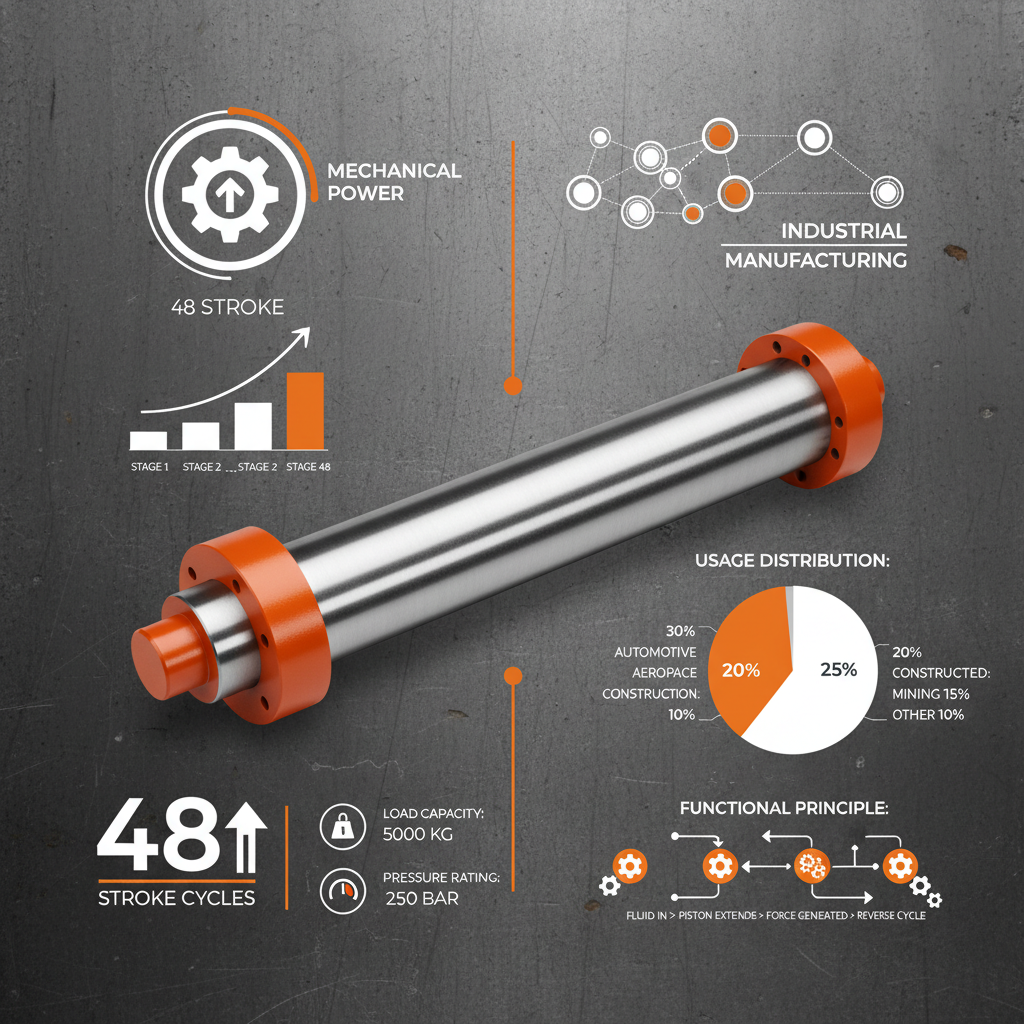
The 48-stroke hydraulic cylinder finds extensive use across numerous industries. In agriculture, it's used in large tractors and implements for lifting and tilting operations. Construction equipment like excavators, bulldozers, and cranes utilize these cylinders for boom, arm, and bucket control. In manufacturing, they power presses, lifting platforms, and automated machinery. Material handling applications, such as forklifts and stackers, also rely on the extended stroke length for efficient operation. Furthermore, they can be found in marine applications for steering and control mechanisms. The versatility of these cylinders makes them an indispensable part of countless hydraulic systems.
Common Application Areas:
• Agriculture: Tractor Implements, Harvesters
• Construction: Excavators, Bulldozers, Cranes
• Manufacturing: Presses, Lifting Platforms
• Material Handling: Forklifts, Stackers
While shorter stroke cylinders are sufficient for many applications, the 48-stroke cylinder offers significant advantages in scenarios requiring substantial linear movement. Shorter stroke cylinders are generally more compact and cost-effective for simpler tasks. However, they lack the reach and capacity of a longer-stroke cylinder. The 48-stroke cylinder excels in applications where a greater displacement is needed to accomplish the desired task. Furthermore, consider the overall system design – a longer stroke may simplify the machine's mechanics by reducing the number of required cylinders. FCY Hydraulics offers expert consultation to help you determine the optimal cylinder stroke for your specific needs.
Choosing the right 48-stroke hydraulic cylinder requires careful consideration of several factors. First, determine the required operating pressure and load capacity. Second, select the appropriate cylinder bore size to generate the necessary force. Third, consider the mounting style – flange, trunnion, or clevis – based on the application's requirements. Fourth, choose the appropriate rod diameter to withstand bending loads. Finally, ensure the cylinder material is compatible with the operating environment and fluid. FCY Hydraulics provides detailed specifications and engineering support to help you make the optimal selection.
Proper maintenance is vital for maximizing the lifespan and performance of your 48-stroke hydraulic cylinder. Regularly inspect the cylinder for leaks, damage, and wear. Keep the hydraulic fluid clean and at the appropriate level. Lubricate the piston rod to prevent corrosion and reduce friction. Avoid subjecting the cylinder to excessive loads or shock loads. Follow the manufacturer's recommended maintenance schedule and replace worn seals and components promptly. Preventative maintenance significantly reduces downtime and extends the cylinder’s operational life.
The 48-stroke hydraulic cylinder is a powerful and versatile component for applications demanding extended linear movement. By understanding its features, applications, and maintenance requirements, you can optimize system performance and ensure reliable operation. Investing in a high-quality cylinder from a reputable manufacturer like FCY Hydraulics is crucial for long-term success.
A 48-inch stroke cylinder is commonly used in applications requiring significant linear travel, such as large agricultural machinery (e.g., self-propelled sprayers), heavy construction equipment like excavators and loaders, industrial presses, and material handling systems where extended reach is necessary. These cylinders are also prevalent in specialized applications like lift bridges and large-scale positioning systems. The long stroke allows for substantial movement and force application over a considerable distance.
Several factors impact the cost of a 48-stroke hydraulic cylinder. These include the bore size (diameter of the piston), rod diameter, cylinder material (e.g., steel alloy, stainless steel), operating pressure requirements, mounting configuration, and any special features or customizations. Higher pressure ratings, larger bore sizes, and more durable materials generally result in higher prices. Additionally, custom designs and specialized coatings will increase the overall cost.
Single-acting cylinders generate force in one direction only, typically using a spring or gravity for retraction. They are simpler and less expensive but are suitable for applications where force is needed in a single direction. Double-acting cylinders apply force in both directions—extension and retraction—using hydraulic pressure. This provides more control and versatility, making them ideal for applications requiring precise movement and force in both directions. The choice depends on the specific requirements of the application.
Regular maintenance is crucial for ensuring the long-term reliability of a 48-stroke cylinder. This includes regular inspection for leaks, damage to the rod and seals, and proper hydraulic fluid levels and cleanliness. Lubricating the piston rod prevents corrosion and reduces friction. Periodically checking and tightening mounting bolts is also important. Consider a preventative maintenance schedule that includes seal replacements and fluid analysis to identify potential issues before they lead to failures.