
The 4x24 hydraulic cylinder is a versatile and widely used component in various industries, from construction and agriculture to manufacturing and material handling. This guide provides an in-depth look at its features, applications, benefits, and essential considerations when selecting one for your specific needs. Understanding the capabilities of a 4x24 hydraulic cylinder – its bore, stroke, and potential configurations – is crucial for optimizing performance and ensuring a reliable hydraulic system. FCY Hydraulics offers a wide range of high-quality hydraulic cylinders, including the popular 4x24 model.
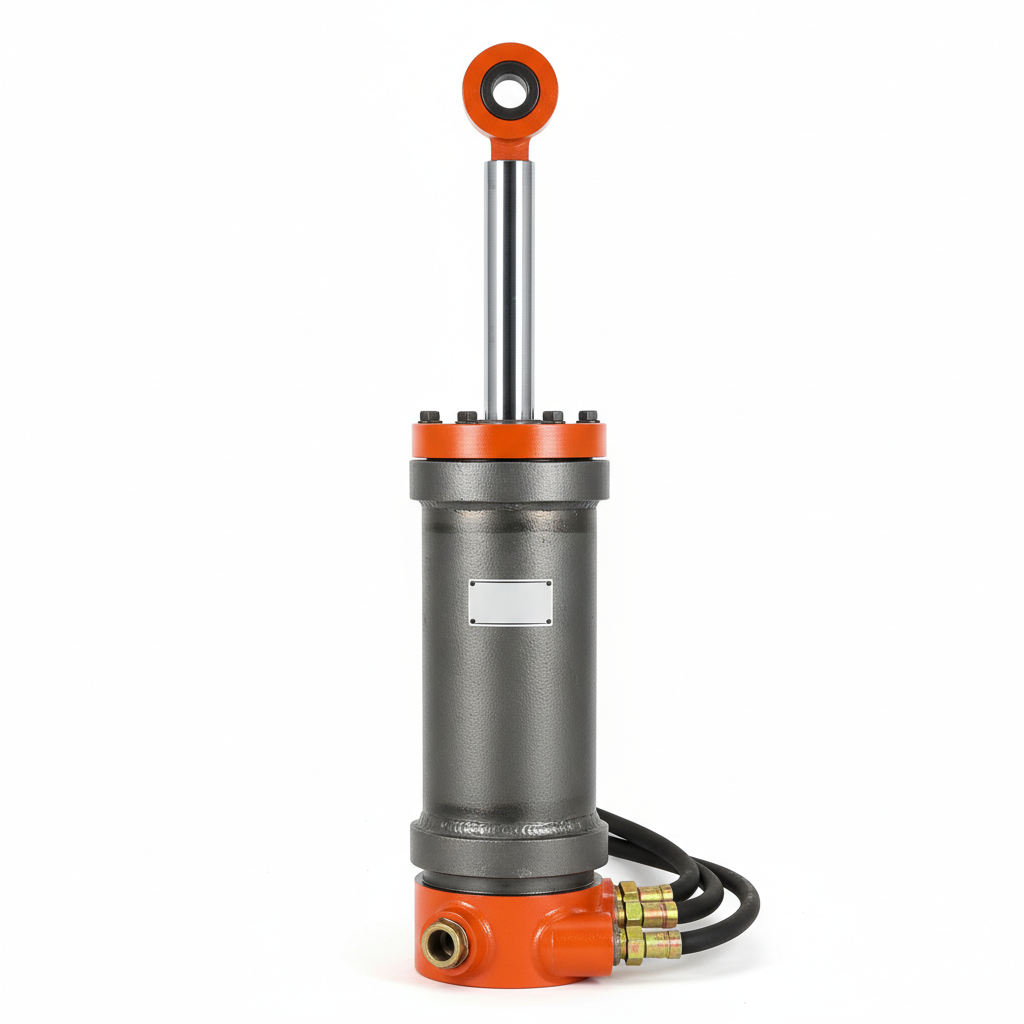
The designation "4x24" refers to the cylinder's key dimensions: a 4-inch bore (inner diameter) and a 24-inch stroke (the maximum distance the piston can travel). The bore determines the force the cylinder can generate, while the stroke defines the working range. These dimensions make it a common choice for applications requiring moderate force and a substantial range of motion. Common applications include dump truck beds, agricultural equipment, and various industrial machinery. The 4x24 hydraulic cylinder is known for its robust construction and reliable performance.
Key Takeaway: The 4-inch bore provides a good balance of force and cylinder size, while the 24-inch stroke offers a generous range of motion for a variety of applications.
The 4x24 hydraulic cylinder finds use in a diverse range of applications. In agriculture, it powers the lifting and tilting mechanisms of tractors and implements. In construction, it's used in excavators, loaders, and other heavy machinery. Material handling applications, such as forklifts and pallet jacks, also benefit from its reliable performance. Beyond these, it's frequently found in industrial presses, metal forming equipment, and custom machinery. Its versatility makes it a staple in many engineering designs.
Common Applications:
• Dump Truck Beds
• Agricultural Implements
• Excavator Arms
• Industrial Presses
Choosing the right cylinder size is crucial for optimal performance. While the 4x24 hydraulic cylinder offers a good balance, comparing it to other common sizes helps illustrate its strengths and weaknesses. For instance, a 3x12 cylinder provides less force and a shorter stroke, suitable for lighter-duty applications. A 5x36 cylinder offers higher force and a longer stroke, ideal for heavier workloads but requiring larger hydraulic systems. Selecting the appropriate size depends on the specific application's force and travel requirements.
Several factors influence the optimal choice of a 4x24 hydraulic cylinder. These include the operating pressure, environmental conditions (temperature, exposure to corrosive substances), and the required mounting style (e.g., clevis, flange, trunnion). The cylinder's material – typically steel, but sometimes stainless steel for corrosion resistance – is also a critical factor. Considering these variables ensures longevity and reliability. You can explore various options and find the best fit for your application at FCY Hydraulics.
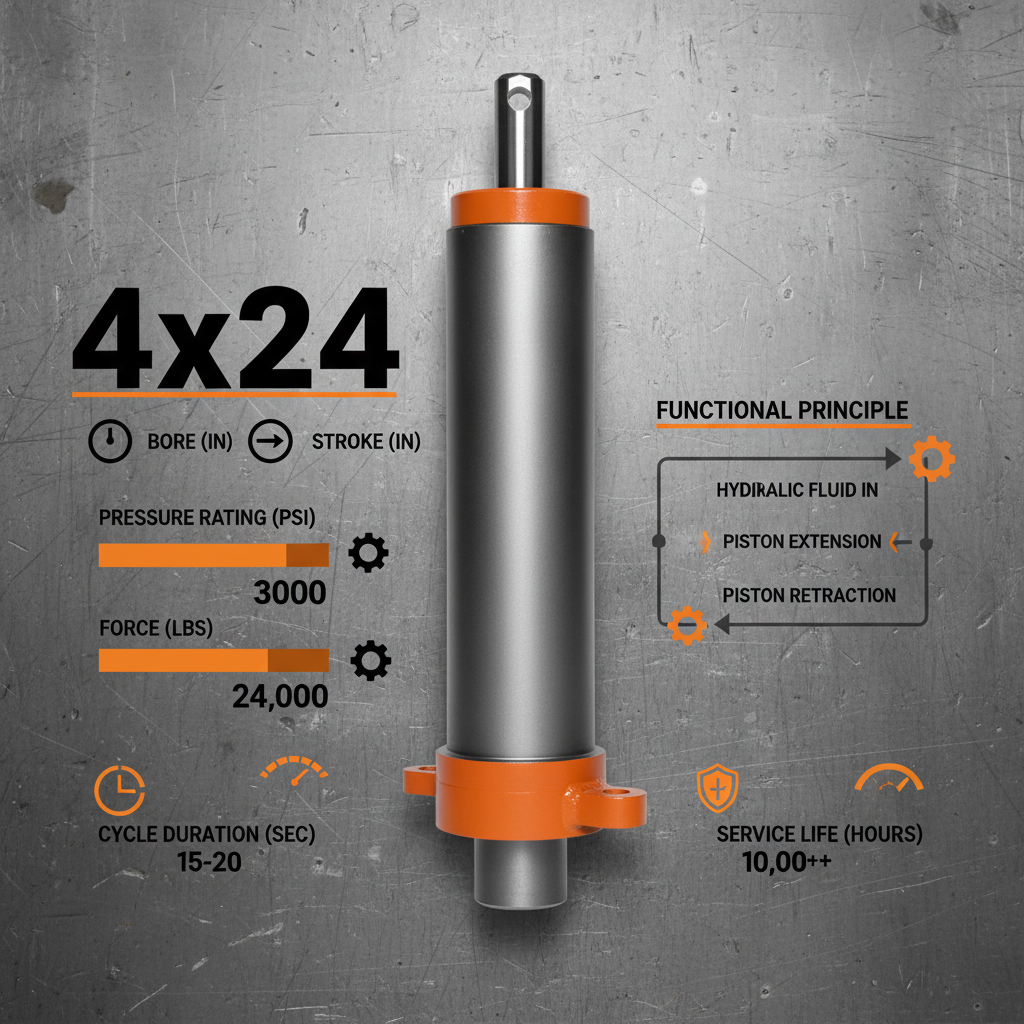
Proper maintenance is essential for maximizing the lifespan of a 4x24 hydraulic cylinder. Regularly inspect for leaks, corrosion, and damage to seals. Keep the hydraulic fluid clean and at the recommended level. Avoid overextending the stroke or exceeding the maximum operating pressure. Following these best practices will help prevent premature failure and ensure reliable performance.
The 4x24 hydraulic cylinder is a powerful and versatile component, but selecting the right one requires careful consideration of your application's specific needs. By understanding its dimensions, applications, and key considerations, you can ensure optimal performance and longevity. FCY Hydraulics provides high-quality 4x24 cylinders and expert support to help you make the right choice.
The typical operating pressure for a 4x24 hydraulic cylinder ranges from 3000 PSI to 5000 PSI, though it can vary depending on the manufacturer and specific design. It's crucial to ensure that the cylinder's pressure rating matches the hydraulic system's operating pressure to avoid damage or failure. Exceeding the maximum pressure can lead to catastrophic failure. Always refer to the cylinder's specifications for its pressure limits.
Common mounting options for a 4x24 hydraulic cylinder include clevis mounts, flange mounts, trunnion mounts, and pin mounts. The choice of mounting style depends on the application and the desired range of motion. Clevis mounts are versatile and allow for some pivoting motion. Flange mounts provide a rigid connection. Trunnion mounts allow for rotational movement. Selecting the right mounting style is critical for ensuring proper alignment and stability.
The most common material for 4x24 hydraulic cylinders is steel, due to its strength and durability. The piston rod is often hardened and chrome-plated to resist corrosion and wear. For applications requiring corrosion resistance, stainless steel cylinders are available. Seals are typically made from nitrile rubber or polyurethane. The choice of material depends on the operating environment and the fluids being used.
To determine the correct stroke length, you need to consider the maximum distance the cylinder needs to travel to complete its intended function. Account for any safety factors or additional travel required for proper operation. It’s better to slightly overestimate the stroke length than to underestimate it. If you are unsure, consult with a hydraulic specialist to ensure you choose the appropriate size.