Having spent years knee-deep in the industrial equipment sector, it’s always fascinating to me how some components—like hydraulic rotators—combine brute strength with clever engineering so seamlessly. If you’ve ever wondered how these handy devices actually function within bigger hydraulic systems, this is the place to settle in and chat about it, because frankly, it’s more than just spinning around.
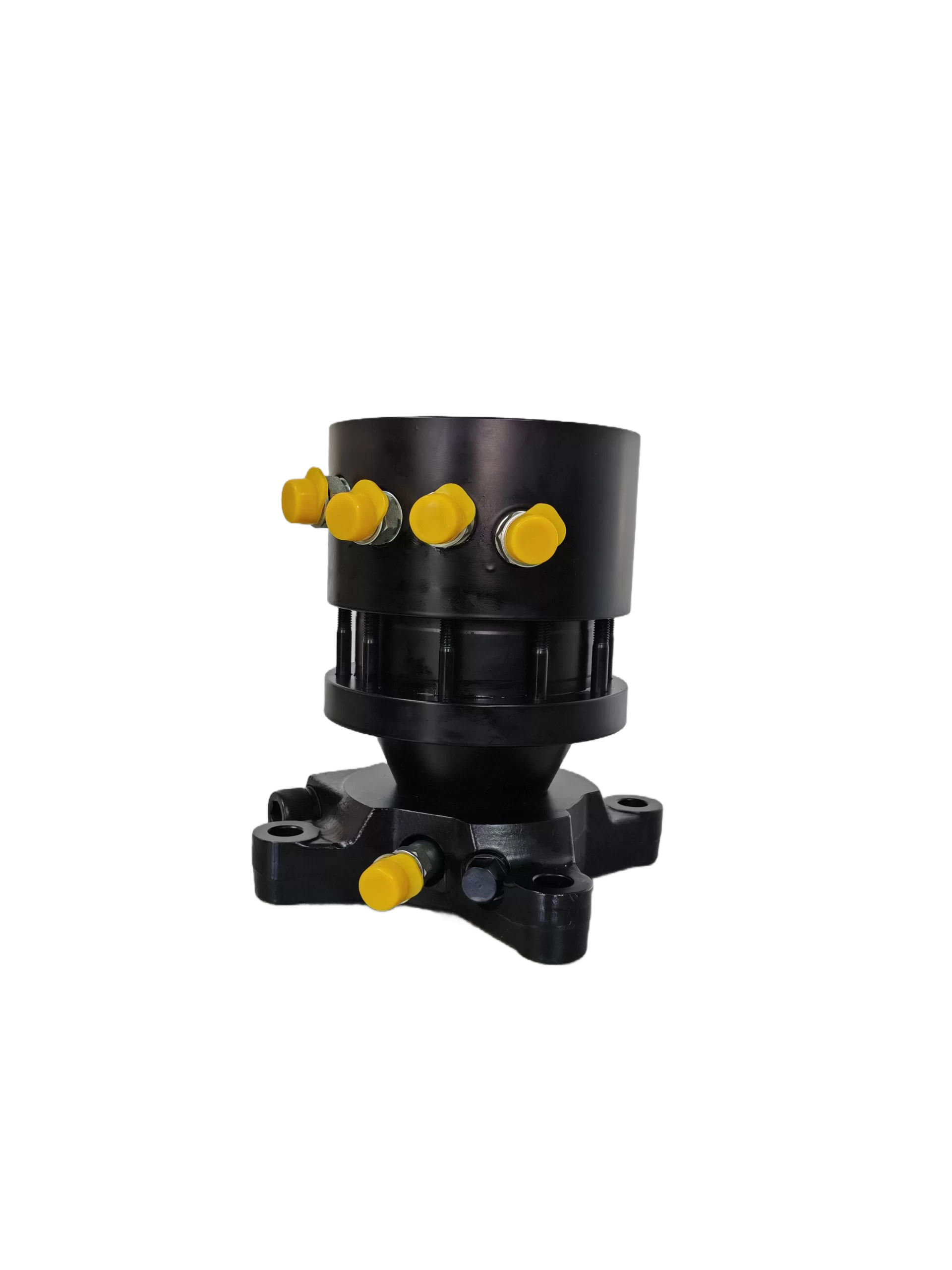
At its core, a hydraulic rotator is a device designed to provide continuous rotation to equipment parts by converting hydraulic pressure into rotational motion. Think of it as a swivel that not only turns loads but does so smoothly and with tremendous torque—things that are absolutely crucial when you’re dealing with heavy attachments like grabs, demolition shears, or multi-purpose tools.
The magic lies in a set of precision-engineered gears and seals inside the rotator body. Hydraulic fluid pressurized by a pump enters through an inlet, then flows through internal channels designed to push a rotating shaft. This shaft’s movement transfers torque to the connected tool, enabling it to spin continuously in either direction. The neat part? The internal rotary unions allow hydraulic fluid to flow even while the device turns freely, without tangling up hoses—a feature many engineers I know find indispensable.
Now, there are different designs—some rotators use planetary gears for smooth and compact power delivery, while others employ spur gears focusing on high torque output. Materials commonly include heat-treated alloy steel and precision-machined aluminum for the housing, balancing strength and weight. I recall one project where a rotator’s rugged build cut down frequent maintenance cycles, saving the team considerable downtime.
One interesting trend is the shift toward higher customization. Manufacturers like FCY Hydraulics offer modular designs that allow quick swapping of rotator sizes or adjusting torque capacities based on user requirements. This flexibility also helps when integrating with various carrier machines, from excavators to forestry harvesters.
Here’s a quick rundown of typical specs from an FCY rotator model, which I think reflects industry standards pretty well:
| Specification | Value |
|---|---|
| Max Torque | 12,000 Nm |
| Max Operating Pressure | 350 bar (5,076 psi) |
| Rotation Speed | Up to 12 rpm |
| Weight | 150 kg |
| Seal Type | Multi-lip high-pressure seals |
When it comes to choosing between vendors, it’s not just specs but service and customization options that count. Here's a small vendor comparison based on what I’ve seen in the field:
| Vendor | Torque Range | Customization | Delivery Time | Price Range |
|---|---|---|---|---|
| FCY Hydraulics | 5,000 - 15,000 Nm | High | 4–6 weeks | Mid-range |
| RotaryTech Inc. | 6,000 - 18,000 Nm | Medium | 6–8 weeks | High |
| HydroSpin Co. | 3,000 - 10,000 Nm | Low | 2–4 weeks | Budget |
Oddly enough, I’ve noticed that while specs are the good old starting point, real-world feedback often leans heavily on ease of maintenance and durability. A customer I worked with recently swapped their outdated rotator for an FCY model. The immediate difference? They cut downtime from weeks to days because the newer rotator was simply more robust and easier to seal against contaminants.
In real terms, mastering the hydraulic rotator’s operation boils down to understanding fluid dynamics, gear interactions, and wear-resistance technologies. And if that’s a bit much, well, it’s why these devices are often matched with a good service partner who understands the rigors of your operation.
So next time you see a rotator in action, maybe on a crane or a big loader, remember: it’s not just spinning—it's an intricate dance of pressure, torque, and precision engineering, all underpinned by decades of fine-tuning.
A small takeaway? Investing wisely in a quality hydraulic rotator means saving unexpected headaches down the line. And frankly, that peace of mind is worth its weight in steel.
Article by a seasoned professional in industrial hydraulics.