
THE BUYER'S GUIDE / SELECTION
A buyer-focused guide to what shapes a hydraulic orbital motor price for the BM4 Series Orbital Hydraulic Motor: the working requirements, oil conditions, connection mode and mounting options to confirm before quoting.
Application fit: low-speed, high-torque rotary output from a gerolor-design orbital motor
Oil temperature: 20°C–60°C normal operation; 90°C maximum for up to 1 hour
Oil cleanliness: 10–30 micron filtration accuracy and pollution level ≤ 19/16 (ISO standard)
Oil viscosity: 42–74 mm²/s at 40°C
Circuit layout: series or parallel connection; relief listed as required when return port pressure exceeds 10 MPa
Mounting interface: flange, output shaft and oil port options to match the machine
Duty and load: optimal load rate of 1/3 to 2/3 rated condition; break-in at 30% rated pressure; double-rolling bearing for lateral loads
When procurement teams search for a hydraulic orbital motor price, they usually want one number. In practice, a quote for an orbital hydraulic motor only means something once the motor configuration and the working conditions are fixed. This guide explains which published details of the BM4 Series Orbital Hydraulic Motor you should check against your machine, and which details you still need to request from the supplier.
The product page describes the BM4 series as a low-speed, high-torque orbital motor using a gerolor (geroler) gear design, intended for industrial and mobile applications. If your application calls for low-speed, high-torque rotary output, the series is a candidate. If you need high-speed rotation, this description does not support that use, and you should look at other motor types.
The product page lists these operating conditions. Compare them with your system before you compare quotes:
| Parameter | Published value |
|---|---|
| Normal operating temperature | 20°C – 60°C |
| Maximum system temperature | 90°C (max. 1 hour) |
| Filtration accuracy | 10–30 microns |
| Pollution level | ≤ 19/16 (ISO standard) |
| Kinematic viscosity | 42–74 mm²/s at 40°C |
If your machine regularly runs hotter than the normal range, or your filtration cannot meet the stated accuracy and cleanliness level, discuss this with the supplier before you order. Fixing a mismatch later, through extra cooling or filtration, can cost more than the motor itself.
The BM4 series is listed as supporting both series and parallel connection, and the page credits its shaft seal design with handling higher pressures in both setups. If you are running hydraulic motors in series, check the return port pressure as well. The parameter table lists "Return Port Pressure: relief required > 10 MPa", so ask the supplier to confirm what relief arrangement your circuit needs.
The series offers a range of customizable flanges, output shafts and oil ports. These choices change the part number, so they are among the main reasons one hydraulic orbital motor price differs from another. Specify the following before asking for a quote:
If you are replacing a motor on existing machinery, the original motor's interface dimensions are the most useful reference to send.
The page describes a double-rolling bearing design intended to handle significant lateral loads. It also lists an optimal load rate of 1/3 to 2/3 of the rated condition, and recommends a break-in period at 30% of rated pressure for longer life. Two points matter for buyers:
A complete request helps the supplier quote the correct configuration:
Then ask the supplier to confirm price, lead time, any certifications you need, and the rated performance data for the configuration they offer.
THE PEOPLE

About the author
THE COMPANY
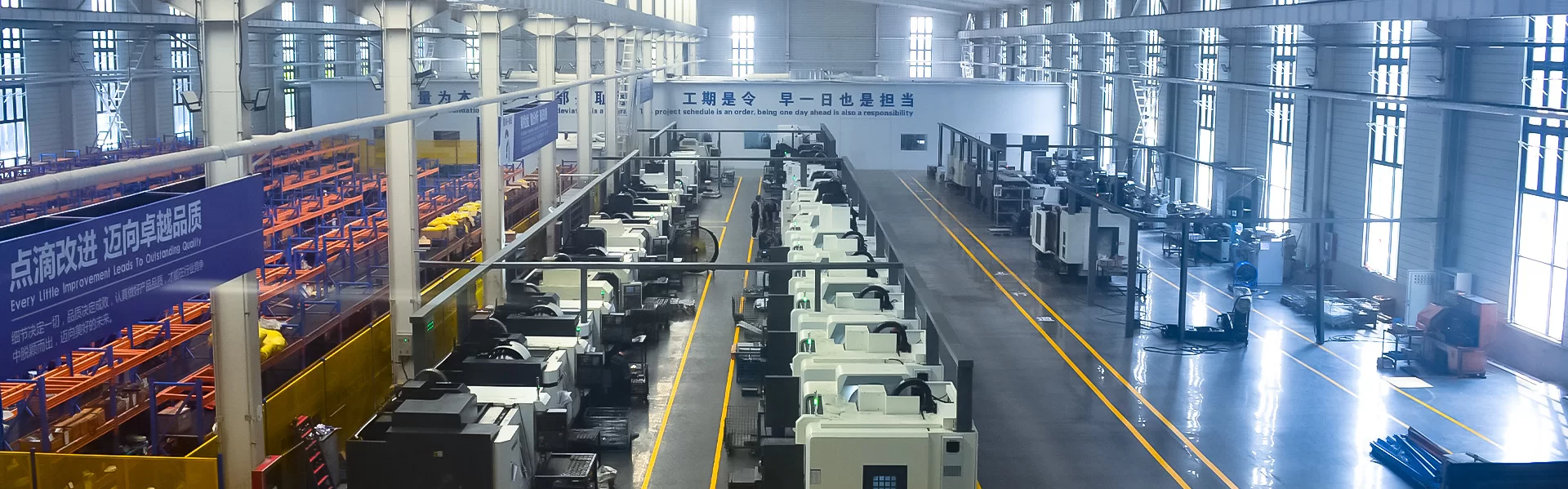
Our factory is making lower speed, high torque orbital hydraulic motors, rotators, cylinder, pump and valves, which are widely used in construction machinery, concrete machinery, earthmoving machinery, agricultural machinery, mining machinery, forest machinery, fishery machinery and industrial vehicles.
If you wish to cooperate with us in any way,whether for general trade or completion of OEM requirements,please contact us now with your detailed requirements.…
YOUR NEXT STEP
Use case, specification, quantity and delivery window: make the next conversation specific.


