
When tackling heavy-duty tasks across various industries, the reliable performance of hydraulic cylinders is paramount. A 4 ton hydraulic cylinder, offering significant force in a compact package, is a common solution. This article explores the applications, key features, specifications, and factors to consider when selecting a 4-ton hydraulic cylinder for your specific needs. We’ll delve into how these cylinders contribute to efficiency and safety in diverse operational environments.
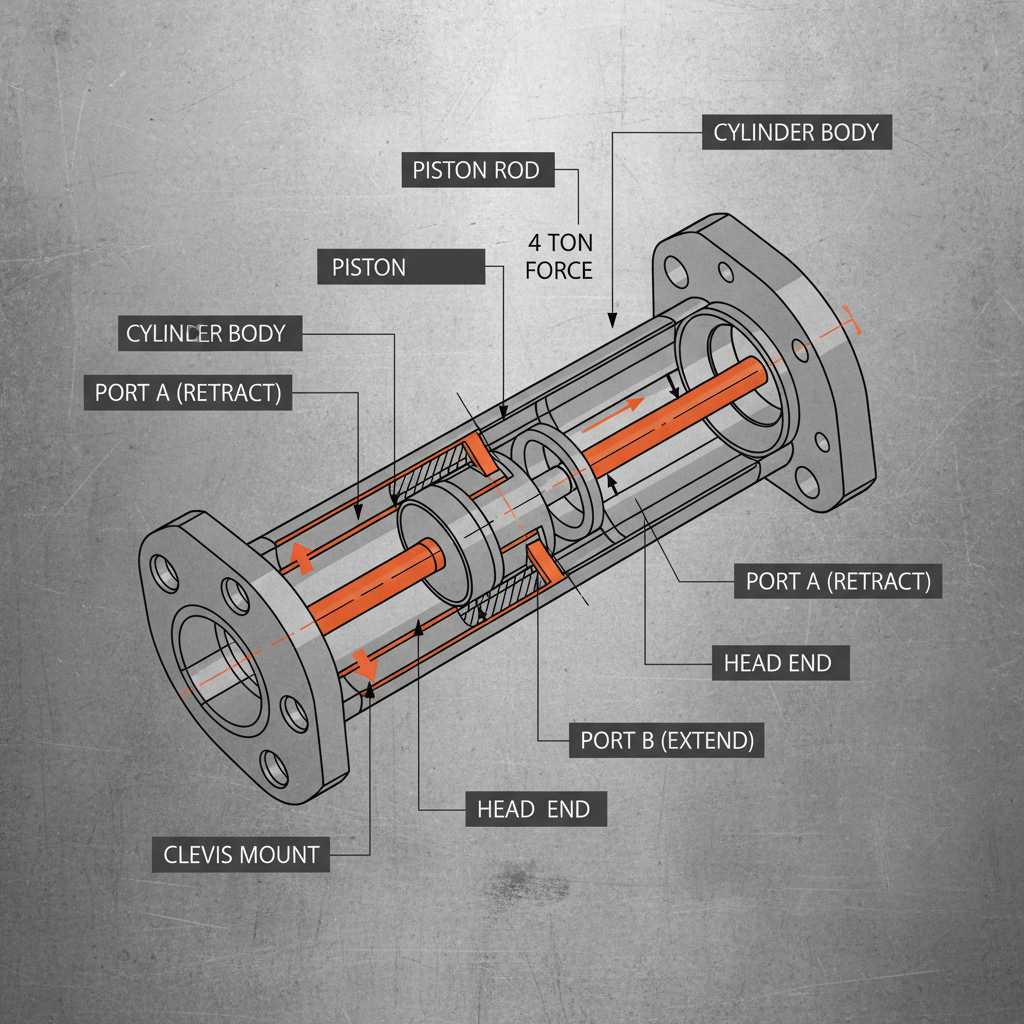
4 ton hydraulic cylinders are workhorses across numerous industries. In agriculture, they power the lifting and tilting mechanisms of tractors and farm implements. Construction utilizes them in excavators, loaders, and bulldozers for digging, lifting, and moving materials. Manufacturing processes benefit from their precision in pressing, clamping, and positioning operations. Further applications include material handling equipment like forklifts, as well as in the automotive industry for vehicle lifts and repair equipment. The versatility of a 4 ton hydraulic cylinder makes it a critical component in a broad spectrum of machinery.
Key Takeaway: The 4-ton capacity provides ample force for many applications while maintaining a manageable size and weight.
Several factors influence the performance and longevity of a 4 ton hydraulic cylinder. Cylinder bore size and stroke length are crucial; the bore dictates the force generated, while the stroke determines the distance the cylinder can extend. Material quality, particularly the cylinder tube and piston rod, impacts durability and resistance to corrosion. Sealing technology is also vital – high-quality seals prevent leakage and maintain consistent pressure. Mounting options (flange, trunnion, clevis) should align with the application's requirements. Finally, consider the cylinder’s operating pressure and temperature range to ensure it suits your environment.
Understanding the specifications of a 4 ton hydraulic cylinder is key to choosing the right model. Here's a typical specification overview. Please note that these figures can vary based on manufacturer and specific design:
Several types of hydraulic cylinders are available, each with its strengths and weaknesses. Single-acting cylinders exert force in one direction, while double-acting cylinders offer force in both directions. Telescopic cylinders provide a longer stroke within a compact space. Tie-rod cylinders are known for their robustness, while welded cylinders offer a cleaner appearance and higher pressure resistance. Selecting the correct type depends on the application's force, speed, and space constraints. FCY Hydraulics offers a wide range of cylinder types to suit diverse needs.
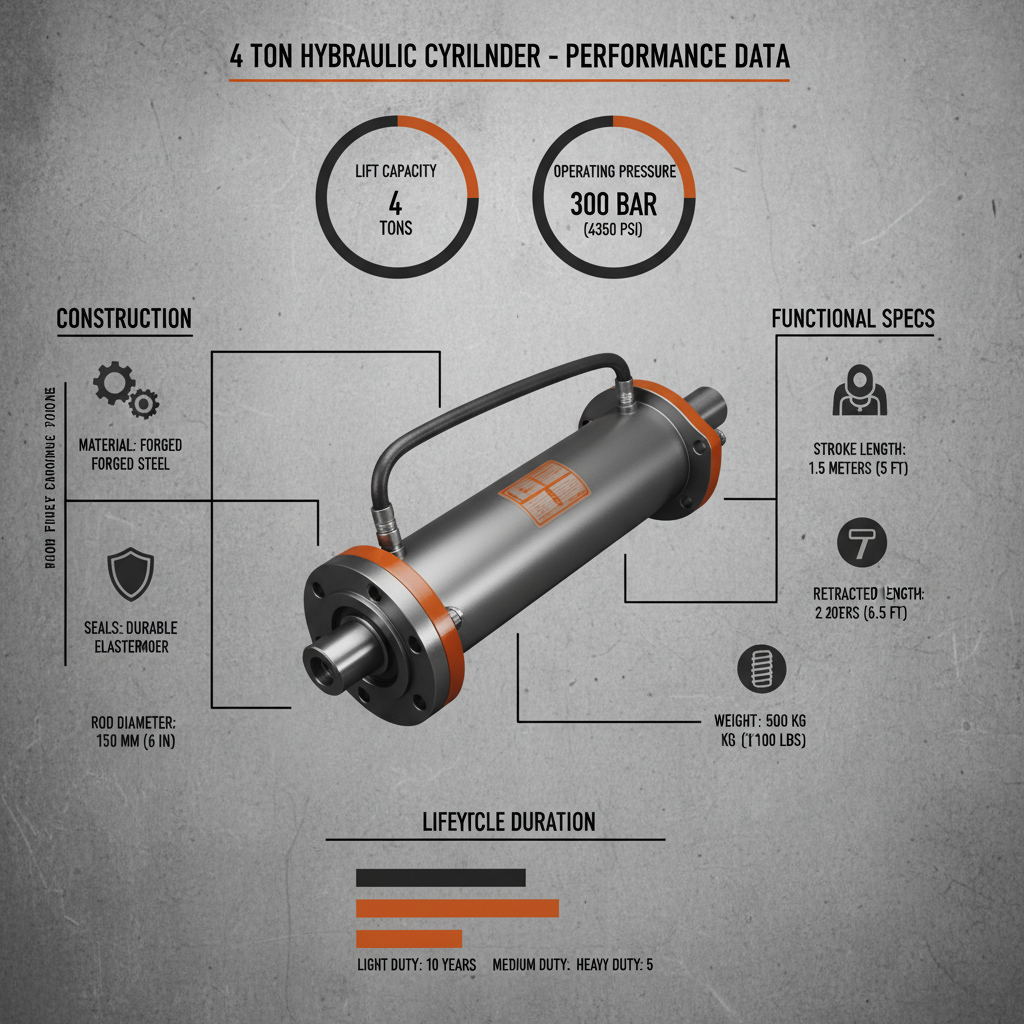
Proper maintenance is vital for ensuring the longevity and optimal performance of a 4 ton hydraulic cylinder. Regularly inspect for leaks, damage to the seals, and corrosion. Keep the cylinder clean and lubricated to prevent wear and tear. Monitor the hydraulic fluid level and quality, replacing it as needed. Avoid exceeding the cylinder's pressure and temperature limits. By following these maintenance tips, you can significantly extend the service life of your hydraulic cylinder and minimize downtime.
Selecting the right 4 ton hydraulic cylinder requires careful consideration of your application's specific needs. By understanding the key features, specifications, and maintenance requirements, you can ensure reliable performance and long-term value. FCY Hydraulics provides high-quality hydraulic cylinders tailored to diverse industries, backed by expert support and engineering expertise.
The lifespan of a 4 ton hydraulic cylinder depends heavily on operating conditions, maintenance practices, and the quality of the cylinder itself. With proper maintenance – regular inspection, lubrication, and fluid changes – a well-built cylinder can often last for 5-10 years or more. However, harsh environments, excessive loads, and infrequent maintenance can significantly reduce its lifespan. Signs that a cylinder needs replacement include excessive leakage, visible damage to the rod or barrel, and a noticeable decrease in performance.
The recommended hydraulic fluid depends on the cylinder's operating temperature and the application's specific requirements. Generally, ISO VG 46 hydraulic oil is a common choice for a wide range of applications. However, for high-temperature environments or specific material compatibility needs, other fluids like synthetic hydraulic oils might be more appropriate. Always refer to the cylinder manufacturer's specifications for the recommended fluid type to ensure optimal performance and prevent damage to the seals.
While some 4 ton cylinders can be used in mildly corrosive environments, it's crucial to select a cylinder specifically designed for such conditions. This often involves using cylinders with corrosion-resistant coatings (like chrome plating or nickel plating) on the piston rod and utilizing materials like stainless steel for the cylinder tube and internal components. Regular inspection and maintenance are also essential in corrosive environments to identify and address any signs of corrosion promptly.
Hydraulic systems operate under high pressure, so safety is paramount. Always relieve pressure before disconnecting any lines. Never attempt to tighten loose fittings while the system is pressurized. Wear appropriate personal protective equipment (PPE), including safety glasses and gloves. Inspect the cylinder and hoses regularly for leaks or damage. Be aware of pinch points and moving parts. Proper training on hydraulic system operation and safety procedures is essential for anyone working with or around these systems.