Gear Pump Cost is a key solution in the industry, specifically within hydraulic systems used across manufacturing, construction, and automotive sectors. This article explores how https://www.fcyhydraulics.com supports professionals with durable, high-performance products, and explains why this product is an ideal choice for businesses in these sectors.
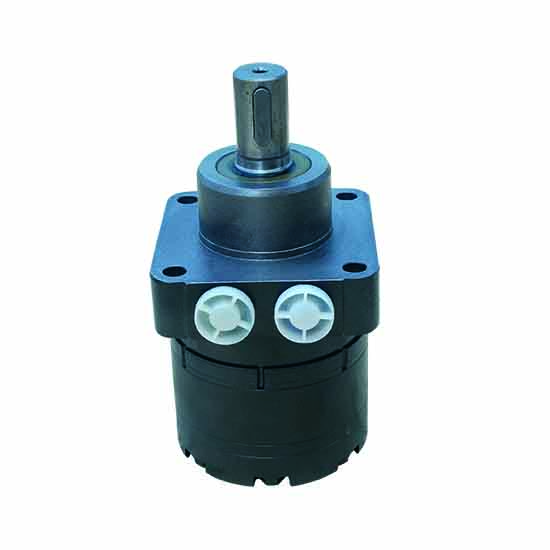
In the world of hydraulic machinery, the gear pump stands out as a stalwart workhorse. By definition, a gear pump moves hydraulic fluid through the meshing of rotating gears, creating flow and pressure. It’s this simplicity - mechanical efficiency and rugged reliability - that makes it essential. Frankly, when diving into gear pump cost, the technical specs matter: FCY Hydraulics offers pumps with displacement ranging from as little as 0.5 cc/rev up to 50 cc/rev, and operating pressure up to 250 bar. These specs cater to diverse industrial demands, from lightweight hydraulics in mobile equipment to heavier load applications in presses or injection molds.
| Specification | Range / Details |
|---|---|
| Displacement | 0.5 cc/rev – 50 cc/rev |
| Max Operating Pressure | Up to 250 bar |
| Material | Cast iron, aluminum, steel options |
| Drive Type | Direct drive or shaft-driven |
What makes gear pump cost especially interesting is the balance between high performance and reasonable investment. Industries such as automotive manufacturing, agriculture, and marine engineering regularly lean on these pumps because they’re simple, reliable, and easy to maintain. Oddly enough, many engineers say that the predictable flow rates, compact form factors, and moderate noise levels tip the scales in favor of gear pumps over vane or piston alternatives.
Buying a gear pump isn’t just about the purchase price—though that’s certainly a key factor. When considering gear pump cost, it's really about total cost of ownership (TCO). FCY Hydraulics’ pumps are built for longevity, with many clients reporting operational lifespans beyond 10,000 hours of continuous use with minimal wear. Maintenance routines tend to be straightforward—regular oil checks and occasional seal replacements. From what I’ve gathered, return on investment often surprises skeptical buyers; uptime improvements and reduced repairs mean less unplanned downtime, which saves significantly more than initial costs.
| Vendor | Price Range (USD) | Build Quality | Lead Time | Warranty |
|---|---|---|---|---|
| FCY Hydraulics | $350 - $1,200 | Premium materials and machining | 2-4 weeks | 12 months |
| Competitor A | $300 - $1,000 | Good quality, mostly cast iron | 3-6 weeks | 6 months |
| Competitor B | $400 - $1,100 | Mid-tier materials | 4-5 weeks | 9 months |
Sustainability isn’t just a buzzword anymore—it’s reshaping how B2B buyers evaluate equipment like gear pumps. FCY Hydraulics has taken steps to integrate eco-conscious materials and energy-saving designs wherever possible. This means pumps with better seals and tolerances reduce oil leakage and improve energy efficiency. Also, tightening regulations on emissions and energy consumption push manufacturers to innovate. The gear pump market is expected to grow steadily, driven by increased infrastructure projects and renewable energy sector requirements. So, choosing a supplier conscious of these trends could pay dividends down the line.
To sum up, understanding Gear Pump Cost means looking beyond just price tags to long-term value brought by reliability, efficiency, and service support. FCY Hydraulics encapsulates these attributes well, making it a smart choice for B2B buyers seeking trusted hydraulic solutions. For more details and inquiries, visit our website: https://www.fcyhydraulics.com.
And that’s the gist of the gear pump puzzle — not just a product but an investment in ongoing performance.