Hydraulic cylinders are essential components in a wide range of industrial applications, and the 16 inch hydraulic cylinder stands out for its robust capabilities and versatility. These cylinders convert hydraulic pressure into linear force, powering heavy machinery in sectors like construction, agriculture, manufacturing, and more. Choosing the right cylinder size and type is crucial for optimal performance and safety. At FCY Hydraulics, we specialize in providing high-quality, custom-engineered hydraulic cylinders, including reliable 16-inch models. This article will explore the applications, advantages, and considerations when selecting a 16 hydraulic cylinder for your specific needs.
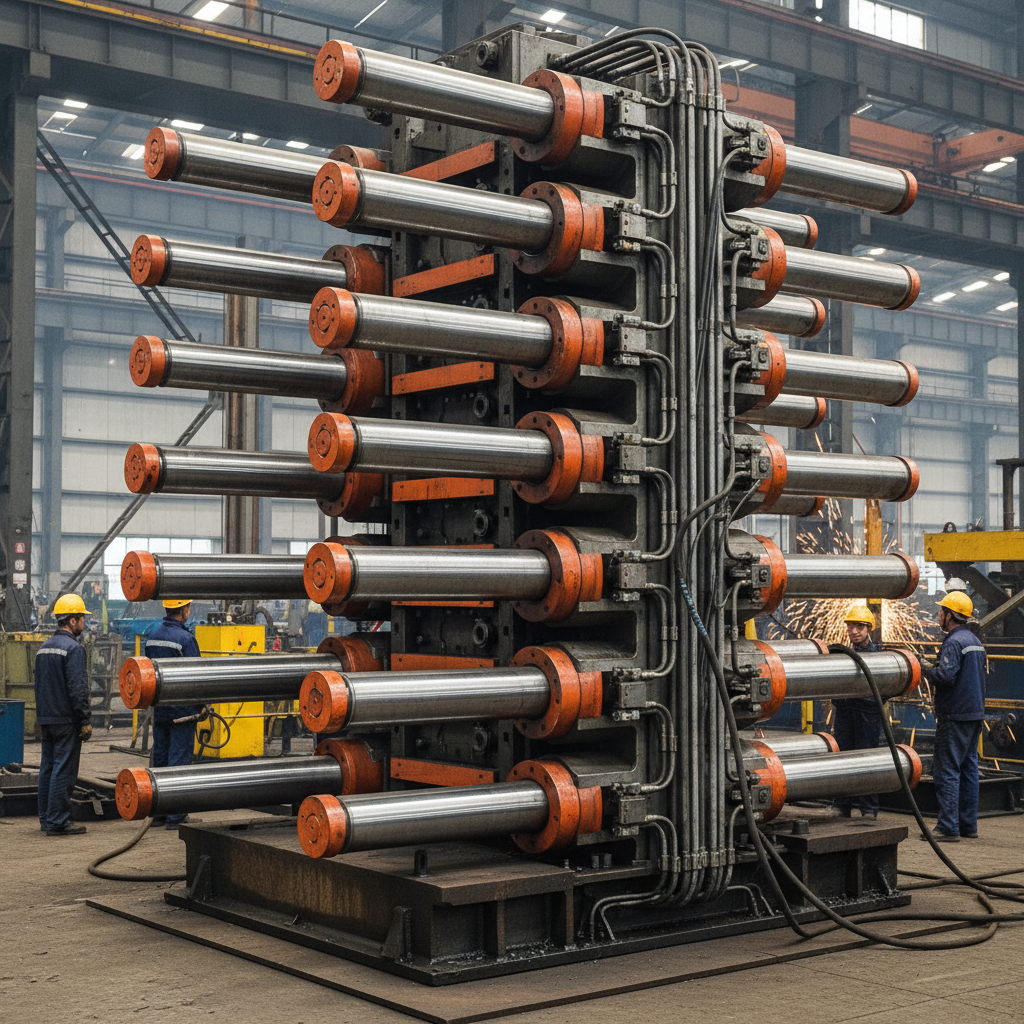
The 16 inch hydraulic cylinder is typically deployed in applications requiring substantial force and stroke length. These include heavy equipment like excavators, loaders, bulldozers, and cranes. Within these machines, they often control the movement of booms, buckets, and other critical components. In the agricultural sector, they're used in large tractors and harvesting equipment. Manufacturing utilizes them in pressing, lifting, and positioning applications. Because of their durability, 16 inch cylinders are also common in marine environments, powering winches and steering systems. Selecting a cylinder with the appropriate specifications for these varied applications is paramount.
Key Highlights: 16-inch hydraulic cylinders provide substantial force for heavy-duty applications across construction, agriculture, and manufacturing.
16 inch hydraulic cylinders come in various configurations to suit different needs. Common types include single-acting cylinders (force applied in one direction), double-acting cylinders (force applied in both directions), and telescopic cylinders (multiple stages for extended stroke length). Mounting options also vary – including flange, trunnion, and clevis mounts – determining how the cylinder connects to the machinery. Cylinder materials also impact performance; options include steel, stainless steel, and chrome-plated steel for corrosion resistance. FCY Hydraulics provides comprehensive customization options to deliver cylinders tailored to unique project requirements.
Key Cylinder Configurations:
• Single-Acting: Simplest design, force in one direction.
• Double-Acting: Force in both directions, more versatile.
• Telescopic: Extended stroke length, compact retracted size.
The material used in a 16 hydraulic cylinder significantly impacts its durability and suitability for specific environments. Steel cylinders offer high strength and are cost-effective for general applications. Stainless steel provides excellent corrosion resistance, making them ideal for marine and food processing industries. Chrome-plated steel combines strength with enhanced corrosion protection. Understanding the operating environment and potential exposure to corrosive substances is vital when selecting the appropriate material. FCY Hydraulics’s engineering team can guide you in selecting the optimal material for your application.
Choosing the right 16 hydraulic cylinder involves considering several factors. These include the required force, stroke length, operating pressure, environmental conditions, and mounting requirements. It’s essential to accurately calculate the load and stress the cylinder will experience to ensure it can handle the application safely and efficiently. Properly specifying these parameters will extend the cylinder's lifespan and minimize downtime. FCY Hydraulics offers expert consultation to help you determine the ideal cylinder specifications for your project.
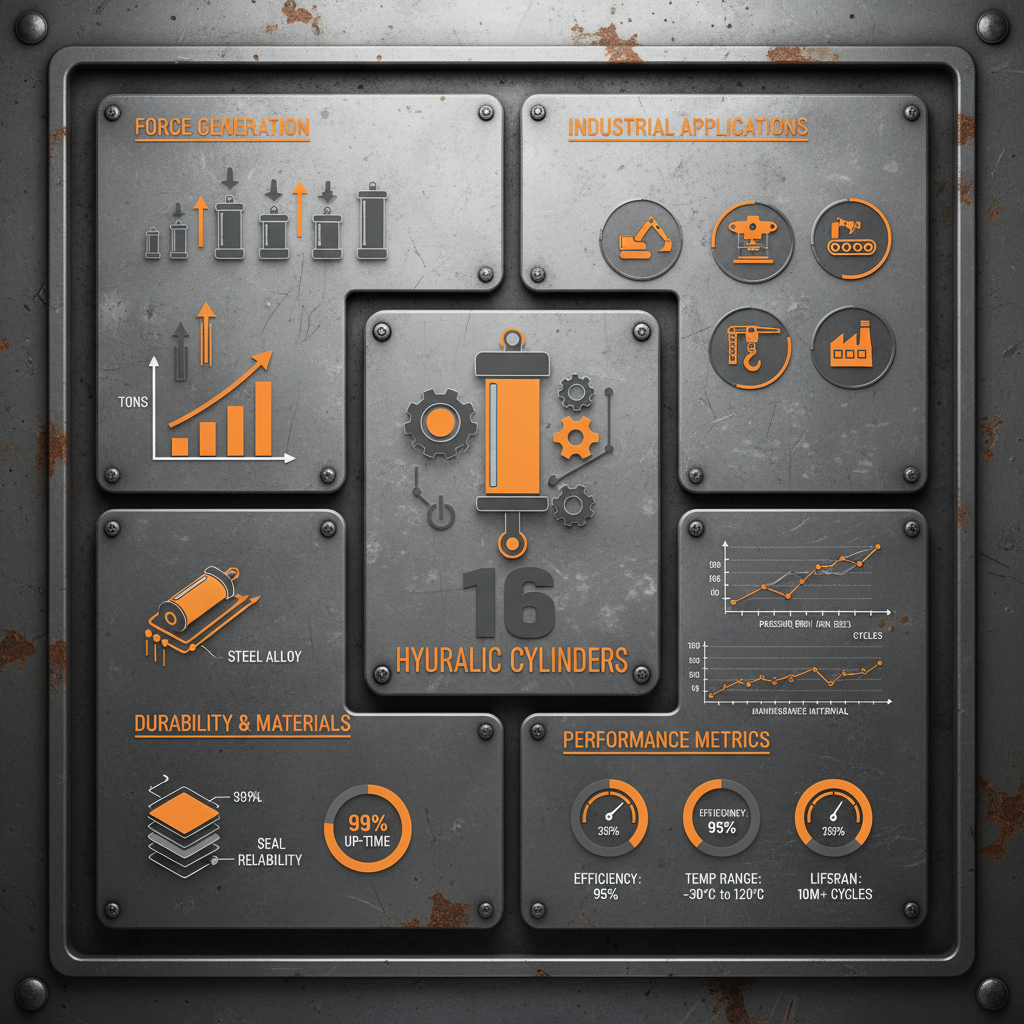
Regular maintenance is key to maximizing the lifespan of a 16 inch hydraulic cylinder. This includes checking for leaks, inspecting seals, and ensuring proper lubrication. Keeping the cylinder clean and protected from contaminants is also crucial. Routine inspections can identify potential issues before they escalate into costly repairs or failures. Following the manufacturer's recommendations for maintenance intervals and procedures is highly recommended. Partnering with a reliable supplier like FCY Hydraulics ensures access to quality parts and expert support.
The 16 hydraulic cylinder is a powerful and versatile component critical to many industries. Selecting the right cylinder, considering its application, material, and configuration, is essential for optimal performance and longevity. With the right cylinder and a commitment to proper maintenance, you can ensure reliable operation and minimize downtime. Choose FCY Hydraulics for quality, customization, and expert support.
The pressure rating for a 16 inch hydraulic cylinder can vary significantly based on its design and materials. Generally, these cylinders are rated for pressures between 3,000 and 5,000 PSI (pounds per square inch), but higher pressure ratings are available for specialized applications. It’s critical to choose a cylinder with a pressure rating that matches or exceeds the operating pressure of your hydraulic system. Exceeding the pressure rating can lead to cylinder failure and potentially cause serious injury. Always consult the cylinder's specifications and a qualified engineer to determine the appropriate pressure rating for your needs.
Determining the correct stroke length requires carefully analyzing the required distance the cylinder needs to travel to perform its function. Measure the full range of motion needed for the application, including any necessary safety margins. Consider the mounting configuration and any potential obstructions that may limit the stroke length. It's often beneficial to slightly overestimate the required stroke length to allow for adjustments and prevent binding. Contacting FCY Hydraulics's engineering team can provide expert assistance in calculating the optimal stroke length for your specific application.
Common causes of hydraulic cylinder failure include seal failure, corrosion, contamination, and excessive pressure or load. Seal failure often results from wear and tear or incompatibility with the hydraulic fluid. Corrosion can occur due to exposure to moisture or corrosive substances. Contamination can damage internal components and accelerate wear. Exceeding the cylinder’s pressure or load capacity can lead to structural failure. Regular maintenance, proper fluid filtration, and adherence to recommended operating parameters can significantly reduce the risk of failure.