Selecting the right hydraulic cylinder factory is often the deciding factor between a machine that maintains peak efficiency for a decade and one that suffers from premature seal failure and pressure drops. In the heavy machinery sector, the cylinder is not just a component; it is the primary actuator of force, making its manufacturing precision critical.
For procurement managers in construction, mining, and agricultural sectors, the challenge lies in balancing the immediate cost of acquisition against the total cost of ownership. A factory that prioritizes high-grade materials and rigorous testing protocols reduces the frequency of unplanned downtime and extends the operational lifespan of the entire hydraulic circuit.
This guide examines the technical benchmarks and procurement logic required to evaluate a manufacturing partner, ensuring that the components integrated into your systems meet the demanding pressures of modern industrial environments.

Critical Infrastructure of a Modern Hydraulic Cylinder Factory

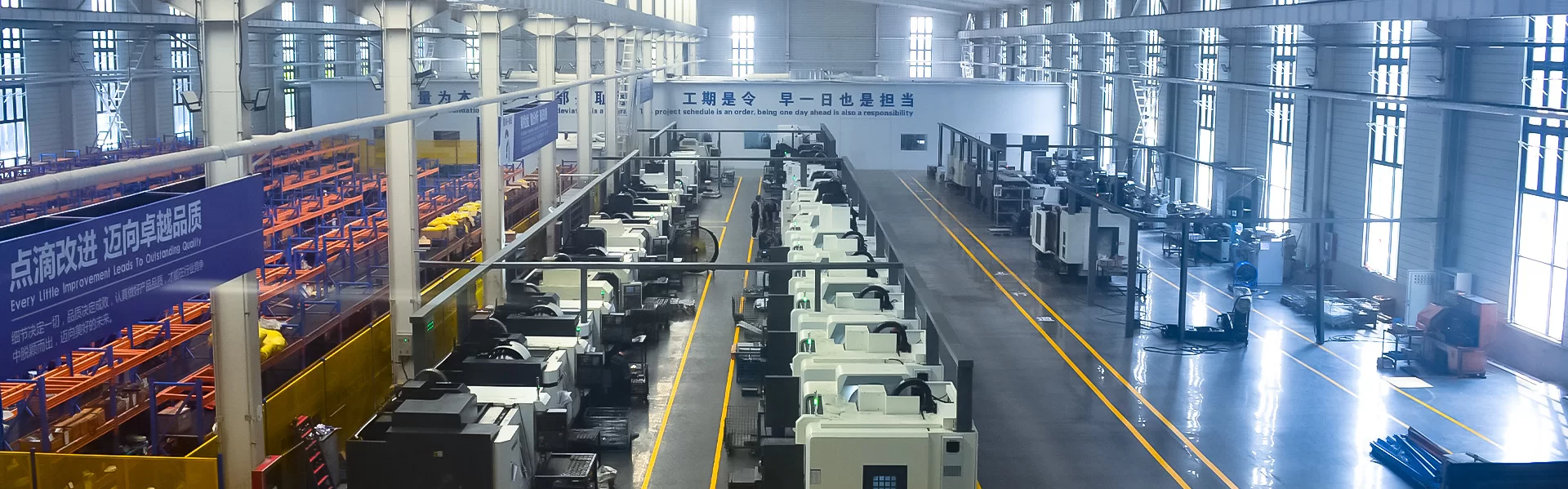
A professional manufacturing facility must integrate a seamless workflow that spans from raw material sourcing to final pressure testing. The core of such a factory is its ability to maintain tight tolerances during the honing and grinding processes, as even microscopic deviations in the cylinder bore can lead to internal leakage and loss of volumetric efficiency.
Beyond the machining center, the quality of the surface treatment—such as hard chrome plating or specialized coatings—determines the cylinder's resistance to corrosion and wear. Factories that utilize automated precision systems ensure that every unit produced is consistent, reducing the variability that often plagues smaller, less equipped shops.
Furthermore, the integration of a comprehensive quality control lab, capable of simulating extreme environmental conditions, allows a manufacturer to validate the performance of seals and metals before they ever reach the client's machinery, ensuring reliability in the field.
Key Engineering Benchmarks for Component Longevity
The longevity of a hydraulic cylinder is fundamentally tied to the synergy between material selection and seal architecture. High-tensile steel for the cylinder tube and precision-ground rods are standard, but the differentiation occurs in the heat treatment processes used to optimize hardness and toughness.
Seal selection must be tailored to the fluid type and operating temperature. The use of advanced polymers and reinforced PTFE seals prevents leakage under high-pressure spikes, while ensuring low friction to minimize energy loss during the stroke. A factory that offers a variety of seal configurations can better adapt to specific client needs.
Another critical benchmark is the structural integrity of the end caps and mounting points. Proper welding techniques and stress-relief annealing prevent fatigue cracks in high-cycle applications, ensuring that the cylinder does not become the weak link in the hydraulic system.
Application Dynamics Across Heavy Industry Sectors
Hydraulic cylinders serve as the muscles of heavy machinery, but the requirements vary wildly between industries. In construction and earthmoving machinery, cylinders must withstand abrasive dust and frequent impact loads, necessitating robust wipers and protective sleeves.
Agricultural and forestry machinery, conversely, often require cylinders that can operate in highly corrosive environments or with variable load distributions. Here, the focus shifts toward corrosion-resistant coatings and the ability to handle side-loading without premature rod wear.
In mining and industrial vehicle applications, the emphasis is on extreme tonnage and cycle stability. The precision of the internal valve integration, such as those found in sophisticated steering units or swing drives, ensures that movements are fluid and predictable even under maximum load.
Analyzing Manufacturing Precision and Efficiency Gains
When comparing standard production methods with high-precision factory standards, the most visible difference is the reduction in internal bypass leakage. Precision honing of the cylinder bore ensures a more consistent oil film, which directly correlates to higher volumetric efficiency.
This efficiency is not merely a technical detail; it translates to lower operating temperatures and reduced strain on the hydraulic pump, as less energy is wasted overcoming internal leaks. The following data illustrates the typical performance gap when moving from generic components to those produced in a specialized facility.
hydraulic cylinder factory Performance Metrics
As shown, the gains in seal life and pressure stability are significant. By optimizing the mechanical interface and using superior materials, a professional factory can extend the maintenance interval of the actuator, which is critical for fleets operating in remote locations.
Strategic Procurement and Supplier Risk Mitigation
Procuring hydraulic components is a risk-management exercise. The primary danger is "hidden failure"—components that meet static pressure tests but fail under dynamic, real-world load cycles. To mitigate this, buyers must look beyond the price per unit and examine the factory's testing certifications.
A reliable partner provides full traceability of materials, including mill certificates for the steel used in the cylinder tubes. This ensures that the metallurgy is consistent and that the components will not suffer from stress corrosion cracking in harsh environments.
Additionally, the ability of a factory to provide OEM customization—adjusting stroke lengths, mounting styles, or port configurations—allows for a more optimized system design, reducing the need for external adapters that can introduce new leak points into the circuit.
Future Directions in Hydraulic Actuation Technology
The industry is currently seeing a shift toward "smart hydraulics," where actuators are integrated with sensors to monitor position, pressure, and temperature in real-time. This allows for predictive maintenance, where a factory can suggest a seal replacement before a catastrophic leak occurs.
Materials science is also evolving, with the introduction of composite cylinders and advanced ceramic coatings that offer near-zero friction and extreme wear resistance. These innovations may lead to a reduction in the overall weight of machinery without compromising the lifting capacity.
Furthermore, the integration of more efficient orbital motors and advanced valve systems is enabling more complex, multi-stage hydraulic circuits that consume less power while providing higher precision, reflecting a broader trend toward energy efficiency in industrial equipment.
Comparative Framework for Factory Selection
When evaluating different manufacturing approaches, it is essential to categorize the supplier based on the intended application. A factory optimized for high-volume, standard components will differ significantly from one capable of high-precision, custom engineering.
The following matrix provides a decision-making framework to help procurement teams match their specific technical requirements with the appropriate manufacturing capability.
| Requirement Level | Standard Workshop | Professional Factory | Precision OEM Partner |
|---|---|---|---|
| Tolerance Control | +/- 0.1mm | +/- 0.02mm | +/- 0.005mm |
| Seal Technology | Generic NBR | High-Grade Polyurethane | Custom PTFE/Viton |
| Testing Protocol | Static Pressure | Dynamic Load Cycle | Full Spectrum Stress |
| Surface Finish | Standard Plating | Hard Chrome Polished | Ceramic/Special Coating |
| Lead Time | Short/Immediate | Moderate/Scheduled | Long/Design-Driven |
| Customization | Limited (Size only) | Moderate (Mounting/Stroke) | Full (Custom Engineering) |
Ultimately, the choice depends on the criticality of the application. For non-essential auxiliary functions, a standard workshop may suffice, but for core lifting and steering systems, a professional factory with documented precision and quality standards is the only viable choice.
Frequently Asked Questions
Conclusion
The effectiveness of any hydraulic system is fundamentally limited by its weakest component. By partnering with a professional hydraulic cylinder factory that emphasizes precision machining, material traceability, and rigorous testing, companies can significantly reduce their downtime and improve the overall reliability of their machinery.
For those evaluating their current supply chain or seeking to optimize their hydraulic actuation, reviewing the technical capabilities and product ranges available through www.fcyhydraulics.com can provide the necessary insights to make an informed procurement decision.