Hydraulic grapple rotators might not be a household name, but their impact resonates across major global industries—from forestry to recycling, construction to humanitarian efforts. At its core, this device helps machines grip, rotate, and place heavy materials with precision and fluidity. Why does this matter? Because in an increasingly automated and efficiency-driven world, mastering such tools affects safety, productivity, and the environment.
Essentially, gaining a solid grasp of hydraulic grapple rotators unlocks better equipment choices, smarter worksite designs, and, frankly, a cleaner impact on our planet. Let’s explore what makes these devices tick, their global uses, and why they continue to shape industries worldwide.
The global market for forestry, waste management, and construction machinery grows steadily—projected to reach over $230 billion by 2027 (source: Statista). Within that, attachments like hydraulic grapple rotators are pivotal for efficient material handling. In fact, the United Nations’ emphasis on sustainable resource management indirectly highlights the role such precise machinery plays.
If you think about mass timber harvesting or critical post-disaster debris clearance, rotators enable machines to reposition bulky loads seamlessly—significantly reducing manual labor risks and speeding operations.
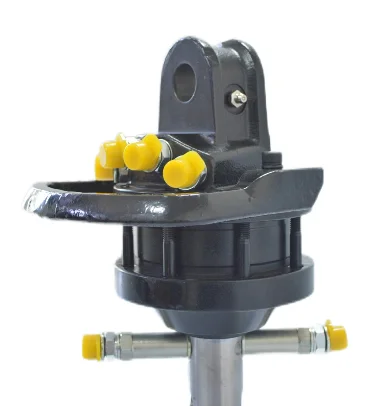
Put simply, it’s a hydraulic-powered device that attaches to a grapple mechanism. It permits 360-degree rotation of the grapple—allowing operators to grip, turn, and place materials exactly where needed without repositioning the whole machine.
Because of its smooth, controlled movement, the rotator connects deeply with modern mechanized workflows. It’s a small piece of tech that streamlines major processes—whether harvesting giant tree logs or sorting scrap metal. You could say it forms the backbone to many automated material handling solutions.
The rotator must operate reliably in harsh environments—think abrasive wood chips, wet scrap yards, or freezing winter construction sites. Manufacturers often use high-grade steel and corrosion-resistant coatings to extend lifespan. Longevity reduces downtime and lifecycle costs, which frankly, means a lot when daily work depends on it.
This defines how much material the rotator can safely spin. Higher torque allows handling heavier loads without slipping or damage. Operators often select rotators based on matching torque capacity to grapple size and material weight.
Hydraulic systems require excellent sealing to prevent leaks and maintain pressure. Efficient seals contribute to smoother rotation, less energy waste, and longer service intervals.
Hydraulic grapple rotators are not one-size-fits-all. They must match with various grapple brands and machine models. Modular designs help dealers and end-users upgrade or scale equipment without overhauling entire fleets.
| Specification | Typical Value |
|---|---|
| Max Torque | 5,000 Nm |
| Max Pressure | 350 bar |
| Rotation Range | Continuous 360° |
| Weight | 120 kg |
| Hydraulic Flow | 45-75 L/min |
Hydraulic grapple rotators wear many hats around the world:
Interestingly, organizations appreciate how the rotator balances power with finesse—essential in delicate removal without causing unintended damage.
Some benefits really stand out:
Beyond numbers and specs, there’s an emotional piece too—operators often mention the confidence they feel using dependable rotators. After all, a machine isn’t just steel; it’s a trusted partner on tough days.
| Vendor | Max Torque (Nm) | Rotation Type | Warranty | Price Range |
|---|---|---|---|---|
| FCY Hydraulics | 5,000 | Continuous 360° | 24 Months | Mid |
| Rotalca | 4,300 | Limited 360° | 18 Months | High |
| Kesla | 4,800 | Continuous 360° | 12 Months | Mid |
The future looks quite exciting. Here are a few directions hydraulic grapple rotators are heading:
Despite their importance, hydraulic grapple rotators face challenges such as:
Operators and manufacturers often collaborate closely to tweak settings and select models that fit specific operational nuances.
In the long run, hydraulic grapple rotators deliver tangible operational benefits and are quietly driving efficiency in demanding global industries. They enhance safety, cut costs, and promote sustainability—exactly what’s needed in today’s evolving industrial landscape.
For anyone invested in material handling or machine operation, getting to know these devices is more than smart—it’s essential.
Interested in upgrading your fleet with the latest in robust, efficient rotators? Visit our website at https://www.fcyhydraulics.com to explore products and expert support.
As I’ve noticed in many workshops, the right tool doesn’t just make a job easier—it inspires trust and craftsmanship. Hydraulic grapple rotators are that kind of tool, bridging power with precision on countless projects worldwide.