Having spent well over a decade in the industrial equipment sector, I’ve seen countless components come and go, but the hydraulic rotator is one that quietly keeps proving its value time and again. Oddly enough, it’s that simple yet robust piece of machinery that often makes or breaks the efficiency of hydraulic cranes, forestry grapples, or material handlers.
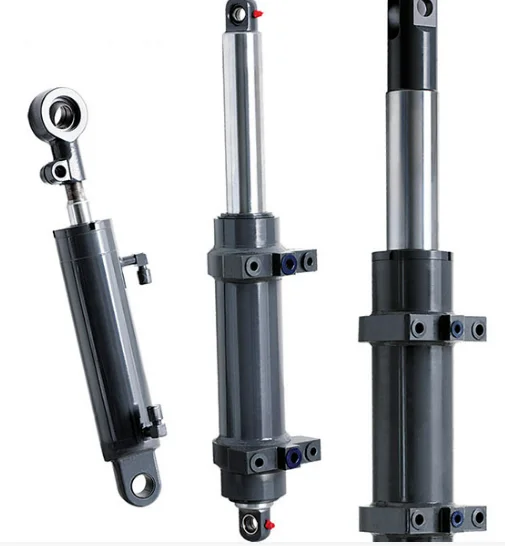
In real terms, a hydraulic rotator is the device that allows continuous 360-degree rotation under load, seamlessly transferring torque through adjustable hydraulic pressure. This isn’t your average swivel—it's a finely engineered marvel designed to perform under some seriously challenging conditions. I suppose if you’ve ever worked on a timber yard or scrap metal handling, you know exactly what I mean. The ability to rotate without cable tangling or fluid leakage can save hours of downtime.
From what I've seen, manufacturers like FCY Hydraulics offer hydraulic rotators that combine forged steel gears with precision machining. This means durability and smooth performance, something that’s crucial once your machine is up and running. One engineer once told me, “It’s not just about power, it’s about control,” and hydraulic rotators embody this perfectly. You get a reliable grip and fluid motion that can be customized to fit different torque and speed requirements.
| Feature | Specification |
|---|---|
| Rotation Type | Continuous 360° |
| Max Torque | Up to 10,000 Nm |
| Pressure Range | 120-350 Bar |
| Material | Hardened Steel & Alloy |
| Weight | 25-85 kg (model dependent) |
| Seal Type | High-pressure polyurethane seals |
One of the things I always look for in a hydraulic rotator is the sealing technology. Frankly, if the seals aren't up to snuff, you risk leaks that can lead to breakdowns and messy repairs. I've noticed that many newer models incorporate special high-pressure polyurethane seals that last far longer than the traditional rubber ones — it’s little things like this that extend service intervals.
Customization? Oh yes, that’s a big deal in the industry. Hydraulic rotators are often tailored for the specific torque, speed, and mounting configurations of different equipment. Just last year, a client needed a rotator for a scrap handler that could withstand corrosive environments. We worked closely with the vendor to apply special coatings, plus a splash-proof seal design. The machine performed flawlessly even in the wettest situations.
| Vendor | Torque Range (Nm) | Max Pressure (Bar) | Customization Options | Lead Time |
|---|---|---|---|---|
| FCY Hydraulics | 500 - 10,000 | 350 | High (seals, coatings, flange patterns) | 2-4 weeks |
| Vendor B | 1000 - 8000 | 300 | Medium (standard mounts only) | 4-6 weeks |
| Vendor C | 750 - 9000 | 320 | Low (limited models) | 3-5 weeks |
From my experience, what sets the reliable players apart in this niche is not just the specs but the after-sales support. I remember helping a customer who was stranded with a leaking rotator deep in a logging camp. The quick responses and replacement parts availability from the vendor turned a potential disaster into a minor inconvenience. Frankly, that kind of reliability is what earns trust in the long run.
To wrap it up, if you’re in the market for a hydraulic rotator, think beyond just torque or price. Look for quality seals, customization for your application, and vendor dependability. It feels like that’s what genuinely keeps these machines humming day in and day out without fuss.
So the next time you see a crane or grapple swing smoothly and effortlessly, remember – there’s a hydraulic rotator quietly doing the hard job in the background. Kind of remarkable, huh?
References: