Working in the industrial equipment sector for over 15 years has given me a front-row seat to many fascinating machine components — but one that’s always stood out to me is the rotator hydraulic. Oddly enough, it doesn’t always get the spotlight it deserves. Yet, in real terms, it’s a crucial part of many heavy-duty machines, responsible for smooth, reliable rotational motion in harsh environments.
You know, when I first started, I remember the rotators being pretty straightforward — simple designs, basic seals. But decades later, the technology has evolved. Today, you’re dealing with more precise machining, enhanced durability, and even customization options that suit specific load requirements or environmental challenges. Frankly, if your operation demands constant rotation under load, investing in a high-quality rotator hydraulic will pay off.
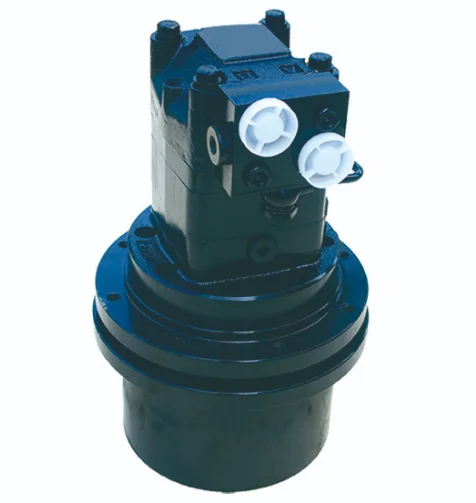
At its core, a rotator hydraulic transfers fluid power into controlled rotary motion. The robust bearings, tough seal systems, and precision-machined gears are designed to withstand high torque while preventing leaks and contamination. Many engineers I know insist on top-tier sealing technology because, if those seals fail, it’s not just downtime — it’s costly repairs and major headaches.
In practice, these rotators excel in cranes, forestry equipment, and exotic machinery where angular positioning flexibility is key. Their ability to sustain continuous rotation or indexed turns, often under muddy, abrasive, or wet conditions, makes them indispensable.
| Specification | Details |
|---|---|
| Rotation Torque Capacity | Up to 15,000 Nm |
| Max Operating Pressure | 350 bar (5,000 psi) |
| Rotation Speed | Up to 20 rpm |
| Seal Material | Nitrile, Viton (optional) |
| Mounting Options | Flange or Shaft Mount |
In my experience, not all rotator hydraulics are created equal. Some brands — no kidding — have better control over their manufacturing tolerances, better materials sourcing, and more rigorous testing protocols than others. To help clear the fog, here’s a quick vendor comparison table based on specs, durability, and after-sales support.
| Vendor | Torque Range (Nm) | Warranty | Customer Support | Customization Options |
|---|---|---|---|---|
| FCY Hydraulics | Up to 15,000 | 2 years | 24/7 Technical help | Yes, tailored solutions |
| HydroRot | Up to 12,000 | 1 year | Business hours only | Limited |
| SpinTech | Up to 10,000 | 18 months | Email support only | Yes, but costly |
I recall a forestry client who switched to a premium rotator hydraulic after struggling with frequent leakage in an earlier model. Within months, their downtime dropped drastically. That kind of difference, you know, turns an ordinary part into a critical asset. Customization helped, too — the seals were upgraded specifically for abrasive wood chips and moisture exposure.
Overall, whether you're working on cranes, logging machinery, or complex industrial robots, picking the right rotator hydraulic isn’t just a technical choice — it’s a strategic investment. The reliability, torque capacity, and service support all factor in more than you might guess.
So, if you find yourself hunting for a rotator hydraulic that can keep pace with your machinery — or frankly, outlast your toughest job — FCY Hydraulics offers some compelling options that I’ve seen perform well in the field.
In the end, it's those little engineering details — the seal materials, bearing quality, and vendor responsiveness — that truly matter.
References:
1. FCY Hydraulics Product Datasheets
2. Industry Case Studies in Heavy Machinery Rotators (2018-2023)
3. Expert Interviews: Hydraulic System Designers, 2023