In the demanding world of heavy machinery and industrial applications, countless components work in unison to achieve peak operational efficiency and reliability. Among these, the final drive motor stands as an indisputably vital piece of engineering, often considered the heart of a machine's propulsion system. This robust assembly translates hydraulic power into mechanical force, enabling track-driven and wheeled equipment to move, push, lift, and perform the arduous tasks they are designed for. Whether it's an excavator digging trenches, a bulldozer clearing land, or a compact track loader maneuvering materials, the final drive motor is the silent workhorse facilitating every ounce of movement. Its function goes beyond mere locomotion; it dictates the machine's traction, speed, and overall maneuverability, directly impacting productivity and safety on the job site. A well-engineered final drive motor ensures smooth operation, precise control, and the resilience needed to withstand relentless operational stresses and harsh environmental conditions. Without an optimally functioning final drive motor, even the most advanced and powerful hydraulic system would be rendered immobile, highlighting its indispensable role in the relentless rhythm of modern construction, agriculture, and material handling industries. Its intricate design, incorporating gears, bearings, and hydraulic components, is a testament to the sophisticated engineering required to deliver consistent, high-torque performance under extreme loads.
The operational efficiency and profitability of heavy equipment fleets hinge significantly on the performance and longevity of critical components like the final drive motor. The global market for these specialized components is substantial, estimated to be well over $5 billion annually, with projections indicating a steady growth rate exceeding 4% per year driven by burgeoning infrastructure projects, agricultural expansion, and industrial automation worldwide. This growth underscores not only increasing demand but also the evolving technological landscape of the industry. The economic ripple effect of a final drive motor failure is staggering; a single breakdown can lead to an average of 3 to 5 days of costly downtime, with expenses often escalating to $1,500 to $5,000 per day in lost productivity, labor, and potential project delays. For large-scale operations, this can translate into hundreds of thousands of dollars in annual losses. Beyond the immediate financial impact, frequent failures can damage a company's reputation, erode client trust, and impact future contracts. Conversely, investing in high-quality, durable final drive motors can yield significant returns through reduced maintenance costs, extended operational lifespans, and consistently high machine uptime. Data from equipment rental companies frequently shows that machines equipped with premium final drives experience 20% fewer unscheduled repairs over a five-year period compared to those with standard components. This tangible data reinforces the critical economic and operational importance of selecting, maintaining, and understanding the core mechanics of these unseen powerhouses.
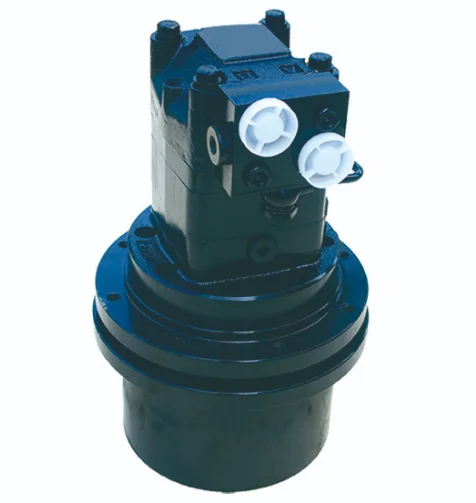
Modern final drive motors are a marvel of hydraulic and mechanical engineering, designed to offer unparalleled power, efficiency, and durability. At their core, these units typically feature a hydraulic motor coupled with a multi-stage planetary gear reduction system. This configuration is crucial for converting the high speed, low torque output of the hydraulic motor into the high torque, low speed output required to drive tracks or wheels effectively. A primary technical advantage lies in their incredible power density; these compact units can deliver massive amounts of torque relative to their size and weight, making them ideal for space-constrained applications. Advanced sealing technologies, such as heavy-duty mechanical face seals, are critical for preventing contamination from abrasive dust, mud, and water, which are ubiquitous in heavy equipment environments. This superior ingress protection extends component life significantly. Furthermore, contemporary designs often incorporate integrated braking systems, including dynamic braking via hydraulic control and static parking brakes, ensuring both operational safety and precise control on slopes or uneven terrain. Material science plays a pivotal role, with gears, shafts, and casings often crafted from hardened alloy steels, precision-machined and heat-treated to withstand extreme shock loads and continuous cyclic stress. Innovations in bearing technology minimize friction and heat generation, enhancing overall efficiency by up to 95% in some models and contributing to a longer service life. Effective thermal management, often achieved through optimized internal fluid pathways and robust housing designs, prevents overheating during prolonged heavy-duty operation, further securing consistent performance. These combined engineering advantages ensure that today's final drive motors are not just components, but highly optimized systems built for relentless, reliable performance.
Choosing the right final drive motor manufacturer is a strategic decision that directly impacts equipment performance, longevity, and total cost of ownership. The market is populated by several reputable global players, each bringing unique strengths and technological specializations to the table. Understanding these differences is crucial for matching a final drive motor to specific application demands, environmental challenges, and budget considerations. Key factors in evaluation include product durability, efficiency ratings, availability of parts, warranty coverage, and the extent of technical support offered. While general specifications like torque output and displacement are important, deeper insights into manufacturing processes, quality control, and innovative features provide a more comprehensive picture. The table below offers a generalized comparison to illustrate the distinct profiles of hypothetical leading manufacturers in the final drive motor sector, highlighting their areas of expertise and typical product characteristics. This comparison serves as a guide for stakeholders to make informed procurement decisions, ensuring their heavy machinery is equipped with drives that deliver optimal performance and long-term value in their respective fields.
Manufacturer | Key Strengths | Notable Technologies | Target Applications | Average Efficiency | Warranty Standard |
Global Hydraulics Inc. | High-power density, robust build for extreme conditions. Extensive global service network. | Modular design, advanced sealing (mechanical face), integrated speed sensing. | Large excavators, drilling rigs, mining equipment. | 92-94% | 2-year / 3,000-hour |
Precision Drives Corp. | Exceptional precision, fuel efficiency, quiet operation. Focus on compact designs. | Hydrostatic braking, optimized gear geometries, low-friction bearings. | Compact track loaders, mini excavators, agricultural machinery. | 93-95% | 1.5-year / 2,000-hour |
Heavy Duty Power Solutions | Unmatched durability, high torque output for continuous heavy loads. Cost-effective. | Reinforced planetary gears, improved heat dissipation, specialized shock absorption. | Bulldozers, feller bunchers, forestry equipment. | 90-92% | 1-year / 1,500-hour |
Innovate Drive Systems | Advanced smart features, predictive maintenance integration, modularity. | Integrated sensors for real-time monitoring, intelligent fault detection, quick-change systems. | Autonomous vehicles, specialized industrial machinery, next-gen construction. | 94-96% | 2.5-year / 3,500-hour |
In an industry where equipment must perform flawlessly under highly specific and often unique conditions, a one-size-fits-all approach to final drive motors is rarely optimal. This is where the power of customization truly comes into play, offering tailored solutions that precisely match the operational demands of any given application. Customization can encompass a wide array of modifications, from minor adjustments to significant redesigns, all aimed at enhancing performance, durability, and integration. For instance, varying shaft configurations (splined, keyed, tapered) or alternative mounting flanges ensure seamless mechanical integration with diverse machine chassis. Hydraulic connection ports can be oriented or sized differently to accommodate existing hydraulic lines, simplifying installation and reducing potential points of failure. Customers can specify unique speed ratios within the planetary gearbox to optimize for either higher travel speed or increased torque for heavy pushing applications. Environmental considerations also drive customization; specialized sealing packages might be developed for extremely dusty, wet, or corrosive environments, extending the life of the unit where standard seals would fail prematurely. Furthermore, the integration of specific sensors for real-time data collection – such as speed, temperature, or pressure – allows for advanced monitoring and predictive maintenance strategies, providing valuable operational insights. Even surface treatments, like corrosion-resistant coatings, can be applied for marine or highly saline environments. This level of bespoke engineering ensures that each final drive motor is not just a component, but an optimized subsystem, perfectly aligned with the machine's overall performance objectives and the demanding conditions it faces, ultimately maximizing uptime and return on investment.
The ubiquity of the final drive motor across a vast spectrum of heavy machinery underscores its fundamental role in modern industries. Each application presents unique challenges and demands specific performance characteristics from the drive system. In excavators, for example, final drive motors must deliver high torque for pushing through difficult terrain and precise speed control for delicate maneuvering, often operating under intermittent, heavy loads and frequent direction changes. For bulldozers and track loaders, continuous high-torque output is paramount for pushing massive amounts of material, requiring exceptional durability and thermal management to prevent overheating during prolonged, strenuous operation. Compact track loaders (CTLs) and mini excavators rely on their final drive motors for agility and power in confined spaces, demanding compact design coupled with robust performance. In the agricultural sector, machinery like harvesters and sprayers utilizes final drives that offer reliable traction across varied field conditions, often integrating with complex steering systems. Specialized equipment, such as drilling rigs and forestry feller bunchers, subject their final drive motors to extreme shock loads, continuous high-power demands, and often operates in remote, challenging environments, necessitating designs that prioritize sheer ruggedness and ease of field service. Even in material handling, such as large forklifts or industrial transporters, the final drive motors ensure consistent movement and precise positioning of heavy loads. Across all these diverse applications, the common thread is the indispensable requirement for a final drive motor that offers not only raw power but also reliability, efficiency, and precise control, ensuring that every machine can perform its designated task effectively and safely, irrespective of the operating environment or load profile.
Ensuring the longevity and optimal performance of a final drive motor extends far beyond its initial purchase and installation; it's a continuous commitment to best practices in operation and maintenance. Proactive maintenance is the cornerstone of maximizing the lifespan of any final drive motor. Regular inspection of oil levels and fluid condition within the planetary gear drive is critical; contaminated or low oil can drastically accelerate wear. Manufacturers typically recommend oil changes every 500 to 1,000 hours of operation, depending on the application severity. Beyond fluid management, routine checks for leaks around seals and covers are essential, as even minor seeps can indicate impending failure or allow ingress of harmful contaminants. Bearing and gear wear can often be detected early through unusual noises or excessive heat, making operator vigilance a valuable asset. Operating machinery within its specified load limits and avoiding sudden, aggressive maneuvers that put undue stress on the drive system can significantly extend component life. Proper track tensioning on tracked vehicles also plays a crucial role in reducing unnecessary strain on the final drives. Looking ahead, the future of final drive motor maintenance is increasingly moving towards predictive analytics and integrated smart technologies. Sensors embedded within the drives are beginning to provide real-time data on temperature, vibration, and pressure, allowing for condition-based monitoring and alerting operators to potential issues before they escalate into costly failures. The integration of advanced materials and more efficient hydraulic designs continues to push the boundaries of durability and efficiency. By embracing both established maintenance protocols and emerging technological advancements, fleet managers and operators can ensure their final drive motor assets continue to deliver reliable, powerful performance for years to come, underpinning the sustained success of their operations.
A final drive motor is a compact hydraulic motor and gearbox assembly that provides the necessary torque and speed reduction to drive the tracks or wheels of heavy machinery. Its primary function is to convert high-speed, low-torque hydraulic power into high-torque, low-speed mechanical power, enabling the machine to move and perform heavy-duty tasks with precision and control.
The frequency of oil changes for a final drive motor typically depends on the manufacturer's recommendations and the application's severity. Generally, it's advised to change the planetary gear oil every 500 to 1,000 operating hours or at least once a year. Regular oil analysis can help optimize this schedule.
Common signs of a failing final drive motor include unusual noises (grinding, clunking), excessive heat generation, oil leaks (especially around seals), reduced travel speed or power, the machine pulling to one side, or complete loss of drive. Prompt attention to these symptoms can prevent catastrophic failure.
Many final drive motors can be repaired, especially if the issue is caught early. Common repairs include replacing seals, bearings, or individual gears. However, if there is extensive damage to multiple internal components or the main housing, replacement might be the more cost-effective and reliable solution.
When selecting a replacement, consider the original equipment manufacturer (OEM) specifications, the required torque and speed output, mounting dimensions, hydraulic port locations, brake type, and environmental sealing requirements. Compatibility with your machine's hydraulic system is paramount. Opting for quality aftermarket options can also be cost-effective, but ensure they meet or exceed OEM standards.
The lifespan of a final drive motor varies significantly based on its quality, application, maintenance regimen, and operational practices. With proper maintenance and respectful operation, a high-quality final drive motor can last anywhere from 5,000 to 12,000+ operating hours. Neglect and harsh conditions can drastically reduce this to under 2,000 hours.
Incorrect track tension can significantly impact the final drive motor. If the tracks are too tight, they put excessive strain on the final drive's bearings, gears, and seals, leading to premature wear and potential failure. If too loose, they can derail, causing sudden shock loads to the final drive system. Maintaining proper track tension is crucial for optimizing final drive longevity.