Having spent well over a decade in the industrial equipment sector, I’ve seen firsthand how vital hydraulic cylinders are to making machinery move with precision and power. Oddly enough, it’s the types of cylinders you choose that often make or break a project — whether you're lifting, pushing, or controlling heavy loads.
So, let's unpack the main types of cylinders in hydraulics, and why knowing them well can save you downtime, headaches, and sometimes a bit of money down the line.
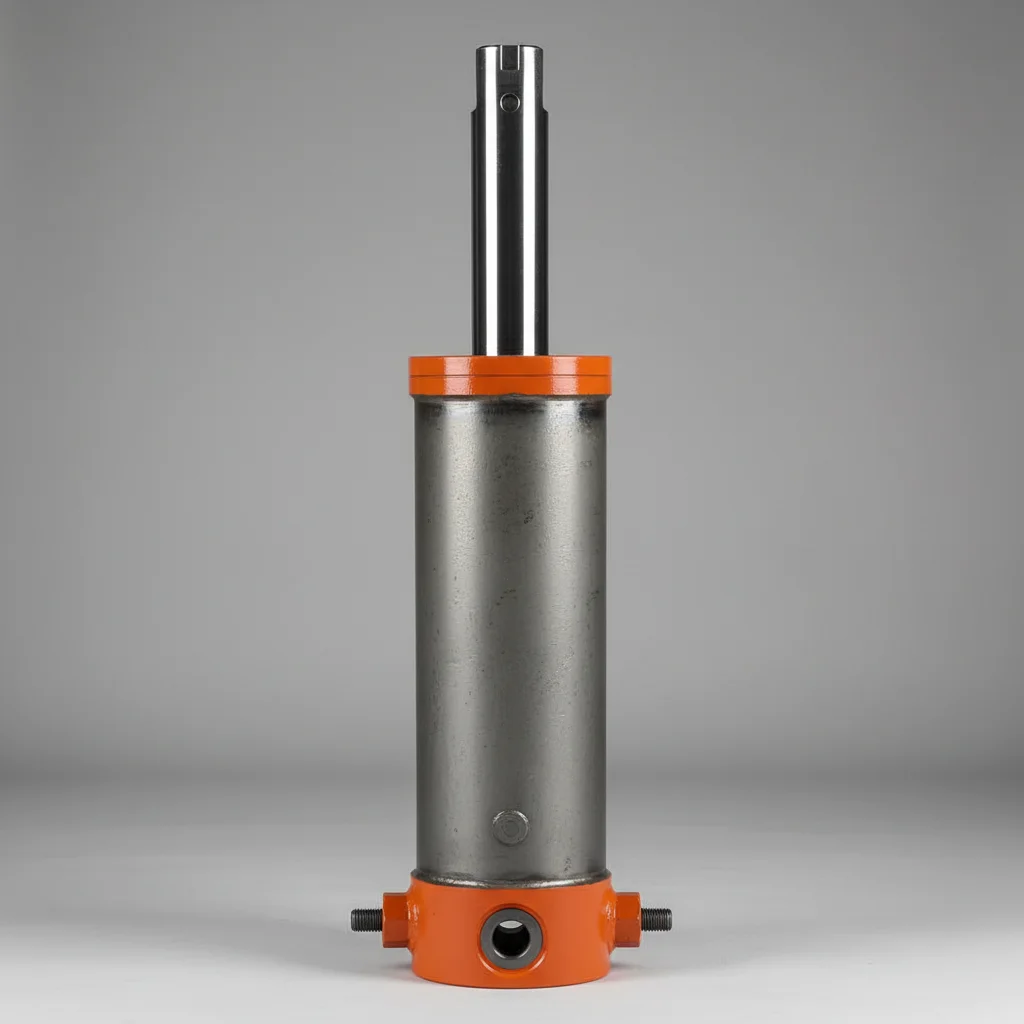
First up, the most common is the single-acting cylinder. These are pretty straightforward beasts: hydraulic fluid pushes the piston in one direction only, and a spring or external force returns it. They’re simple, reliable, and you’ll often see them in applications like clamping or lifting where the return stroke doesn’t need powered assistance. Frankly, I’ve always appreciated their rugged simplicity — less to go wrong.
On the flip side, we have the double-acting cylinder. This one uses hydraulic pressure to move the piston both ways — forward and back — which offers better control and force in both directions. You’ll find these in heavier-duty machinery, like excavators or presses. I've noticed that while they’re a little more complex, their versatility makes them a backbone for serious hydraulic systems.
Then, there’s the telescopic cylinder, sometimes called a multi-stage cylinder. These guys are made for when you need a long stroke but a compact housing. Think dump trucks or refuse compactors, where space is limited but reach is king. I've seen a few tricky installs where the telescopic cylinder was the only practical solution — not the cheapest option, mind you, but often the smartest.
You might also encounter ram cylinders, characterized by their large bore sizes for extremely high force with relatively short strokes. They’re the type to look for when brute strength and direct impact are required, like in metal forming presses. If you ever get a chance to inspect one onsite, you’ll find the build quality striking — thick walls, heavy seals, and robust rods designed to take the heat.
Material choice across these cylinders can genuinely affect performance. Aluminum bodies save weight for mobile equipment, though steel remains the standard for durability and wear resistance. Sealing technology — often overlooked — is huge for keeping contaminants out and fluid in; from my experience, investing in superior seals dramatically increases cylinder life, which engineers always nod at approvingly.
To put this into context, here’s a quick rundown of standard hydraulic cylinder specs you’d expect to compare when sourcing components:
| Cylinder Type | Stroke Length | Bore Diameter | Max Pressure | Common Use Cases |
|---|---|---|---|---|
| Single-Acting | Up to 500 mm | 25 - 150 mm | 2000 psi | Clamps, lifts, ejectors |
| Double-Acting | Up to 1500 mm | 30 - 200 mm | 3000 psi | Excavators, presses, lifts |
| Telescopic | Up to 3000 mm | 50 - 180 mm | 2500 psi | Dump trucks, compactors |
| Ram Cylinder | Short Stroke (100-400 mm) | 150 - 300 mm | 3500 psi | Presses, metal forming |
Of course, picking a cylinder isn't just about specs; sourcing quality vendors matters too. Over the years, I’ve developed a bit of an eye for who to trust and who to double-check. To keep it fair, here’s a quick vendor comparison for typical cylinder suppliers:
| Vendor | Range of Types | Customization Options | Lead Times | After-Sales Support |
|---|---|---|---|---|
| FCY Hydraulics | All major types | Extensive | 3-4 weeks | Excellent, technical guidance |
| Hydroline Parts | Mostly single & double acting | Limited | 2-3 weeks | Good, mostly for stock components |
| Precision Cylinders Inc. | Double acting, ram cylinders | Moderate | 4-6 weeks | Specialist support available |
To illustrate the importance of picking the right cylinder and vendor: I once worked with a customer retrofitting some heavy machinery that initially used generic single-acting cylinders. The system kept stalling on the return stroke, causing costly downtime. We switched to a double-acting cylinder from FCY Hydraulics with faster turnaround and tailored sealing solutions. The impact was clear — noticeably smoother operation and fewer maintenance calls. A small change, but trust me, these fixes add up in the real world.
In closing, if you’re navigating the maze of hydraulic cylinders, spend time upfront understanding your load demands, space restrictions, and control needs. Choosing the right type — and the right supplier — is part science, part art… and maybe a bit of luck. Personally? I’d always lean on a trusted vendor who knows their stuff and can back it with solid support.
Hope this gives you a clearer picture! There’s plenty to explore beyond the basics, but knowing these core cylinder types puts you in good stead.
— by someone who’s been elbow-deep in hydraulic lines and cylinders more times than they can count.
Hydraulic Cylinder Basics, Machinery Handbook, 30th Ed.
Industry Insights: Advances in Cylinder Seals (Journal of Fluid Power, 2022)
FCY Hydraulics – Official Product Catalog and Technical Guides