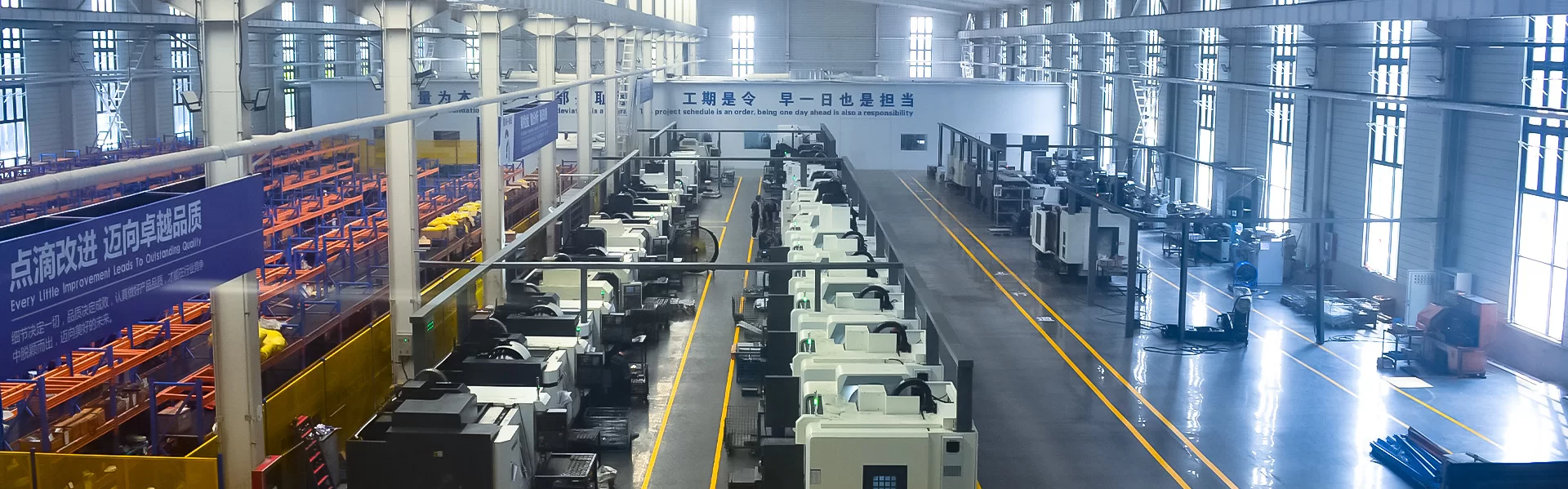
In the demanding landscape of industrial machinery, the pursuit of precision and reliability often leads engineers to seek specialized components that can withstand extreme conditions. The concept of a pigeon protection net for balcony, while appearing as a residential safety measure, serves as a metaphor for the protective and precise engineering required in hydraulic orbit motors to prevent systemic failure and external contamination.
Global industrial standards, much like the rigorous requirements for urban safety, demand that components like the BM and BMM series hydraulic motors operate with absolute efficiency. These motors are designed with an advanced spool and gerolor architecture, ensuring a compact structure that maximizes power density while minimizing the spatial footprint within complex machinery.
Understanding the synergy between compact design and operational durability is key to maintaining high-performance hydraulic systems. By implementing a "protection net" of strict filtration and temperature controls, operators can ensure that their hydraulic components avoid the "pests" of wear and tear, thereby extending the service life of their capital equipment globally.

Advanced Engineering of Orbit Hydraulic Motors
The core of the BM and BMM series motors lies in their advanced design of the spool and gerolor. This architectural choice allows for a small size and compact structure, which is essential for modern machinery where space is at a premium. Much like a pigeon protection net for balcony provides a unobtrusive yet effective barrier, this compact design provides high torque without occupying excessive room.
Because of this precision engineering, the rotation speed and direction of the shaft can be controlled easily and smoothly. This flexibility ensures that the motor can be integrated into various industrial applications, from agricultural equipment to specialized construction machinery, without compromising on the structural integrity of the overall system.
Distribution Flow Systems and Noise Reduction
One of the most critical challenges in hydraulic power is the management of fluid turbulence, which often leads to excessive noise and vibration. The BM series incorporates a special distribution flow system specifically engineered to meet the requirements of low noise operation. This ensures that the machinery remains compliant with occupational health and safety standards globally.
By optimizing the way oil is distributed within the motor, the system reduces cavitation and pressure spikes. This fluid dynamic stability is what allows these motors to operate consistently in urban environments or enclosed industrial spaces where noise pollution must be kept to a minimum.
Furthermore, the smooth flow characteristics contribute to a more stable output, reducing the mechanical stress on the coupled components. This holistic approach to flow management ensures that the motor doesn't just work, but works with a level of refinement that enhances the overall quality of the end product.
Pressure Bearing and Shaft Seal Credibility
The credibility of a hydraulic system depends heavily on its ability to contain high pressures without leakage. In our orbit motors, the shaft seal design is engineered to bear high pressure, acting as a primary pigeon protection net for balcony against fluid loss and external contamination.
These seals are robust enough to allow the motors to be used in either parallel or series connections. This flexibility is crucial for complex hydraulic circuits where multiple actuators must be synchronized or powered from a single source while maintaining a high-pressure barrier.
Reliable sealing not only prevents environmental hazards caused by oil leaks but also ensures that the internal lubrication is maintained. This prevents premature wear of the gerolor and spool, ensuring that the internal components remain protected throughout the motor's operational lifecycle.
Efficiency and Economy in Medium Load Applications
For many industrial users, the ideal motor is one that balances high efficiency with economic viability. The BM series is designed specifically for medium load applications, providing the best combination of performance and cost-effectiveness. This ensures a rapid return on investment for manufacturers implementing these units.
By focusing on the medium load segment, the engineering avoids the over-design typical of heavy-duty motors while remaining far more durable than light-duty alternatives. This precision in targeting ensures that the motor operates at its peak efficiency curve for the majority of its working life.
Performance Efficiency Analysis for Hydraulic Motor Systems
Versatility in Connection and Configuration
One of the standout features of our product range is the variety of connection types available. We offer multiple options for flanges, output shafts, and oil ports, allowing for seamless integration into existing machinery regardless of the original manufacturer's standards.
Specifically, the output shafts of the BM5, BM6, BM7, BM8, and BM10 series are reinforced to bear larger axial and radial loads. This makes them ideal for heavy-duty rotations where the motor is subject to significant side-loading or end-loading during operation.
Optimal Operating Conditions for Maximum Life
To ensure the maximum lifespan of orbit motors, adherence to operating parameters is non-negotiable. We recommend a normal working oil temperature between 20℃ and 60℃, with a maximum peak of 90℃ for durations not exceeding one hour. Operating outside these bounds can degrade the oil viscosity and damage the seals.
Viscosity management is equally critical; the kinematic viscosity should be maintained between 42-74mm²/s at 40℃. Proper oil selection based on ambient temperature acts as a chemical pigeon protection net for balcony, shielding the internal metal surfaces from friction and wear.
Finally, we advise that the optimum operating condition of the motor should be kept between 1/3 to 2/3 of the rated operating condition. For initial break-in, loading the motor for one hour at 30% of the rated pressure is recommended to ensure all surfaces are properly lubricated.
Filtration Standards and Contamination Control
The greatest enemy of any hydraulic system is particulate contamination. To prevent catastrophic failure, we recommend a filtration accuracy of 10-30 microns. The installation of a magnetic block at the bottom of the tank is highly advised to capture metal particles before they can enter the system.
The solid pollution level of the working oil must not exceed 19/16. When the oil return port pressure exceeds 10MPa (with speeds below 200rpm), pressure relief must be implemented via the leakage port, preferably connected directly to the tank to avoid back-pressure buildup.
Maintaining these strict cleanliness standards ensures that the precision-machined surfaces of the gerolor remain pristine. Without this protection, microscopic debris can act as abrasives, rapidly eroding the efficiency of the motor and leading to unplanned downtime.
Core Technical Specifications for Orbit Motor Maintenance
| Parameter Category |
Optimal Range/Value |
Critical Limit |
Impact of Failure |
| Oil Temperature |
20℃ - 60℃ |
90℃ (Max 1hr) |
Seal Degradation |
| Filtration Accuracy |
10 - 30 Microns |
> 30 Microns |
Internal Scoring |
| Kinematic Viscosity |
42 - 74 mm²/s |
Below 42 mm²/s |
Lubrication Failure |
| Pollution Level |
< 19/16 |
> 19/16 |
Rapid Wear |
| Return Pressure |
< 10 MPa |
> 10 MPa |
Seal Blowout |
| Break-in Load |
30% Rated Pressure |
100% (Immediate) |
Surface Galling |
FAQS
Yes, the credible design of the shaft seals allows these motors to be used in both parallel and series connections. However, if the oil return port pressure exceeds 10MPa, you must ensure pressure relief is handled via the leakage port, ideally connecting it directly to the tank to maintain system stability.
To protect the precision internals, we recommend a filtration accuracy of 10-30 microns. Additionally, installing a magnetic block at the bottom of the oil tank is strongly advised to prevent metallic particles from entering the system, keeping pollution levels below 19/16.
For maximum service life, the motor should be filled with oil before loading. We recommend a break-in period of one hour at approximately 30% of the rated pressure. This ensures that the spool and gerolor are properly seated and lubricated before facing full operational loads.
The BM5, BM6, BM7, BM8, and BM10 series motors are specifically engineered with output shafts that can bear larger axial and radial loads compared to the smaller BM series, making them suitable for more strenuous mechanical applications.
Normal working oil temperatures should be between 20℃ and 60℃. While the system can handle a maximum operating temperature of 90℃, this should be limited to a duration of no more than one hour to avoid permanent damage to the seals and oil viscosity.
Our motors utilize a special distribution flow system designed specifically for low noise. To further minimize noise, ensure your oil viscosity is correctly matched to the ambient temperature (42-74mm²/s at 40℃) and that the system is free of air contamination.
Conclusion
In conclusion, the longevity and efficiency of orbit hydraulic motors depend on a combination of advanced internal engineering and rigorous external maintenance. From the compact gerolor design that optimizes space to the strict filtration requirements that act as a protective barrier, every element must work in harmony to ensure reliable performance under medium loads.
As industrial automation evolves, the integration of such high-precision components will become even more critical. We encourage engineers and operators to strictly adhere to the recommended temperature and cleanliness guidelines to unlock the full potential of their hydraulic systems. For more professional hydraulic solutions, visit our website: www.fcyhydraulics.com