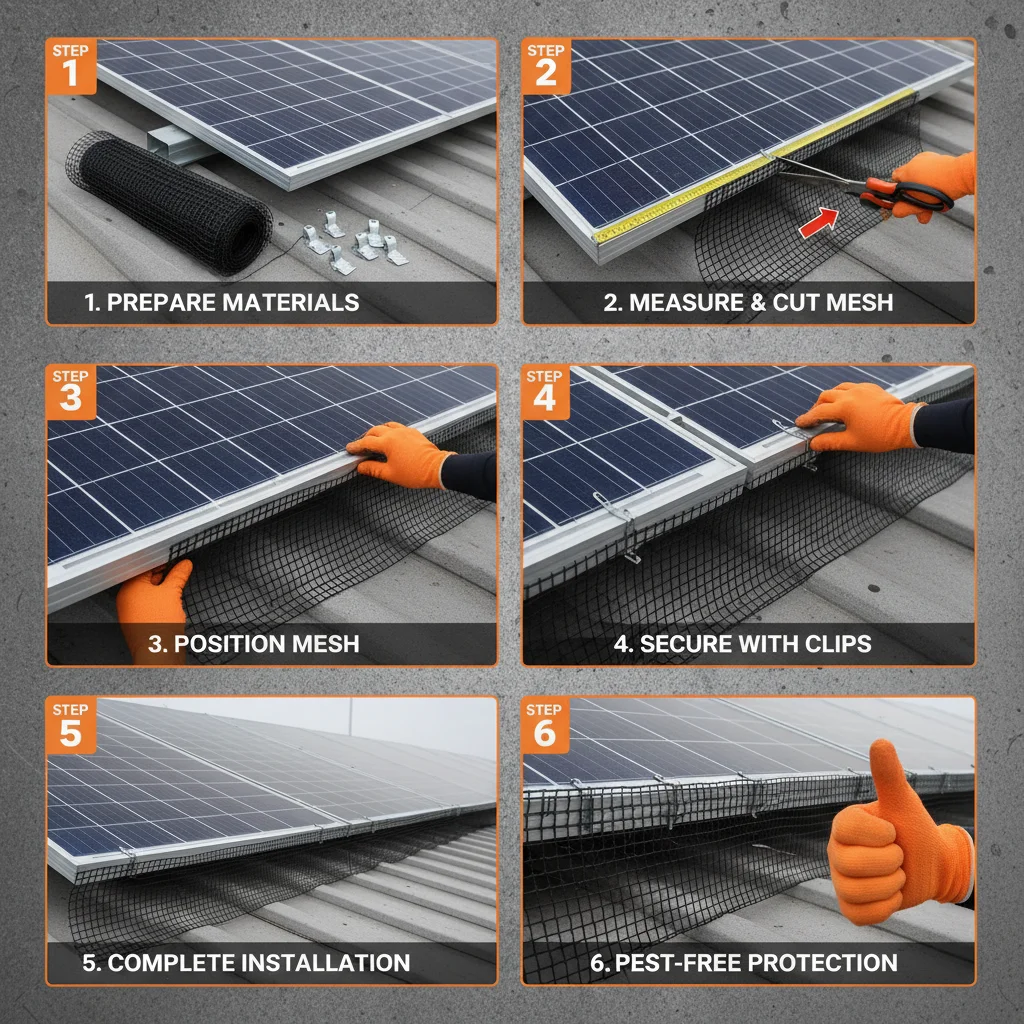
In the modern industrial landscape, the quest for high-efficiency fluid power solutions often mirrors the precision required in agricultural protection, such as implementing bird netting for tomato plants. While one ensures crop yield and the other ensures mechanical uptime, both rely on the fundamental principle of shielding a critical asset from external interference to maximize output.
Understanding the synergy between robust materials and precise engineering is essential for maintaining long-term operational stability. Whether it is the application of protective barriers in a greenhouse or the installation of high-strength aluminum alloy shells in hydraulic pumps, the goal remains the same: reducing vulnerability to environmental stressors.
Globally, the demand for high-volume efficiency—even at low speeds—is driving innovation across multiple sectors. By analyzing the parallels between protective agricultural measures like bird netting for tomato plants and high-performance hydraulic components, we can appreciate the evolution of durability and efficiency in the general equipment manufacturing industry.

The Material Integrity of bird netting for tomato plants
Just as high-quality bird netting for tomato plants must withstand UV exposure and physical tears to protect a harvest, industrial components require superior housing. Our hydraulic units feature a high-strength aluminum alloy shell, ensuring that the internal mechanisms are shielded from contaminants and structural stress, providing a lightweight yet incredibly durable exterior.
This emphasis on shell integrity prevents premature wear and tear. In the same way that a well-installed mesh prevents pest intrusion, the precision-engineered aluminum housing prevents oil leakage and maintains internal pressure, which is critical for the longevity of the pump in harsh manufacturing environments.
Connection Versatility in Modern Systems
Adaptability is key in both agriculture and hydraulics. While bird netting for tomato plants must be adaptable to various trellis heights and plant shapes, our hydraulic pumps offer an extensive range of input shaft connection forms. These include flat keys, rectangular splines, involute splines, and SAE involute splines, allowing for seamless integration into diverse machinery configurations.
Beyond the input shaft, the flexibility extends to the fluid pathways. The connection forms of the inlet and outlet are available with threads or flanges, depending on the specific requirements of the system. This ensures that the user can choose the most secure and efficient fitting for their particular application, minimizing the risk of leaks.
By providing multiple connection standards, we eliminate the need for costly custom adapters. This standardized versatility mirrors the universal nature of protective netting, providing a reliable solution that fits the specific dimensions and needs of the operator without compromising on structural security.
Efficiency Mechanisms and Automatic Compensation
The concept of maintenance-free reliability is central to the use of bird netting for tomato plants, where the set-and-forget nature of the mesh saves labor. In our hydraulic systems, we achieve a similar result through an axial clearance automatic compensation mechanism.
This automatic compensation mechanism is a critical engineering feat that enables the oil pump to maintain high efficiency work for a long time. By automatically adjusting for wear, the system prevents the efficiency drops typically associated with aging mechanical parts, ensuring a consistent flow of power.
When combined with the protective qualities of a high-strength shell, this internal mechanism ensures that the pump does not require frequent dismantling for adjustments. This mirrors the long-term value provided by durable agricultural netting, reducing operational overhead while maximizing output.
Performance Metrics Under Low-Speed Conditions
Maintaining performance at the margins is where quality truly shows. Whether it is the ability of bird netting for tomato plants to remain breathable during humid summers or a pump's ability to operate at low RPMs, consistency is paramount. Our units are designed for high working pressure and a wide speed range.
Specifically, high volume efficiency can be maintained even at low speeds down to 400rpm. This allows the machinery to operate effectively in precision tasks where slow, steady power is more valuable than raw speed, ensuring that the system does not stall or lose pressure during critical phases of operation.
Efficiency Ratings for various Protective and Power Solutions
Global Industrial Applications of Protective Logic
The logic behind bird netting for tomato plants—preventing loss through strategic barriers—is applied globally in the hydraulic sector. In remote mining regions or heavy construction sites, the use of high-strength aluminum shells protects pumps from abrasive dust and impact, mirroring how netting protects crops from avian pests.
From agricultural machinery in Europe to industrial presses in Asia, the need for wide speed ranges and high working pressures is universal. By integrating versatile shaft connections, these pumps can be deployed across various international standards, ensuring that infrastructure can be upgraded without replacing entire mechanical systems.
Long-Term Value and Sustainability
Investment in quality materials always yields long-term dividends. Just as a durable grade of bird netting for tomato plants reduces the need for annual replacements, an axial clearance automatic compensation mechanism extends the service life of a hydraulic pump by years. This reduces waste and lowers the total cost of ownership.
Sustainability in manufacturing is not just about materials, but about efficiency. By maintaining high volume efficiency at low speeds, our pumps reduce energy consumption and heat generation, contributing to a greener industrial footprint while maintaining peak performance.
Ultimately, the trust a customer places in a component is built on reliability. When a system can operate under high pressure without failure, it provides the peace of mind necessary for scaling operations, much like a farmer trusts their netting to secure an entire season's harvest.
Future Innovations in Fluid Power Shielding
The future of industrial protection is moving toward "smart" materials. We foresee a convergence where the simplicity of bird netting for tomato plants meets the complexity of digital monitoring. Imagine shells that can sense structural fatigue or compensation mechanisms that alert operators via IoT before efficiency drops.
Automation will continue to play a pivotal role. The current automatic compensation mechanism is a precursor to fully autonomous hydraulic systems that can adjust their internal geometry in real-time based on load and speed, further pushing the boundaries of volume efficiency.
As we move toward more sustainable manufacturing, the use of lightweight aluminum alloys will be further optimized to reduce the carbon footprint of transporting heavy machinery, ensuring that the global supply chain remains efficient and responsive.
Comparative Analysis of Protective and Mechanical Components
| Component Type |
Primary Material |
Core Benefit |
Durability Score |
| Agricultural Netting |
Polyethylene/Nylon |
Pest Prevention |
6/10 |
| Pump Outer Shell |
High-Strength Aluminum |
Structural Protection |
9/10 |
| Shaft Connections |
Hardened Steel |
Integration Versatility |
10/10 |
| Compensation Unit |
Precision Alloy |
Efficiency Maintenance |
8/10 |
| Inlet/Outlet Fittings |
Cast Iron/Aluminum |
Leak Prevention |
9/10 |
| Low-Speed Gearset |
Treated Steel |
Volume Efficiency |
8/10 |
FAQS
The aluminum alloy shell provides a critical balance between weight and strength. It protects the internal components from external impacts and environmental contaminants, much like how bird netting for tomato plants protects crops, while ensuring the unit remains lightweight for easier installation and transport.
This mechanism allows the pump to automatically adjust for internal wear and tear over time. This ensures that the oil pump maintains a high level of volumetric efficiency throughout its operational life, reducing the need for manual maintenance and preventing unplanned downtime.
Yes, the pump is specifically designed to maintain high volume efficiency even at low speeds, down to 400rpm. This makes it ideal for applications that require precise, slow-speed power without sacrificing pressure or flow consistency.
To ensure maximum compatibility, we offer several connection forms: flat keys, rectangular splines, involute splines, and SAE involute splines. This versatility allows the pump to be integrated into a wide variety of existing industrial drive systems.
Absolutely. Depending on your system's requirements for pressure and security, the inlet and outlet connections can be provided with either threaded or flanged interfaces, ensuring a leak-proof and secure fluid path.
Yes, the combination of the high-strength aluminum shell and precision-engineered internal components allows the pump to handle high working pressures across a wide speed range while maintaining stability and efficiency.
Conclusion
In summary, whether the goal is the agricultural protection provided by bird netting for tomato plants or the mechanical reliability of a high-performance hydraulic pump, the core requirement is a commitment to durability and precision. By utilizing high-strength aluminum alloys, versatile connection options, and automatic compensation mechanisms, we provide a solution that maximizes efficiency and minimizes operational risk.
Looking forward, the integration of smarter materials and autonomous efficiency adjustments will continue to redefine the standards of fluid power. We encourage operators to prioritize components that offer both flexibility and long-term structural integrity to ensure their systems remain competitive in an ever-evolving global market. Visit our website: www.fcyhydraulics.com