The 4x16 hydraulic cylinder is a versatile and powerful component widely used across numerous industries. Its robust design and ability to generate significant force make it ideal for applications ranging from construction machinery to agricultural equipment. This article provides a comprehensive overview of this cylinder type, exploring its specifications, common uses, benefits, and factors to consider when selecting one. We'll also touch upon where to find reliable suppliers, such as FCY Hydraulics, for your hydraulic needs.
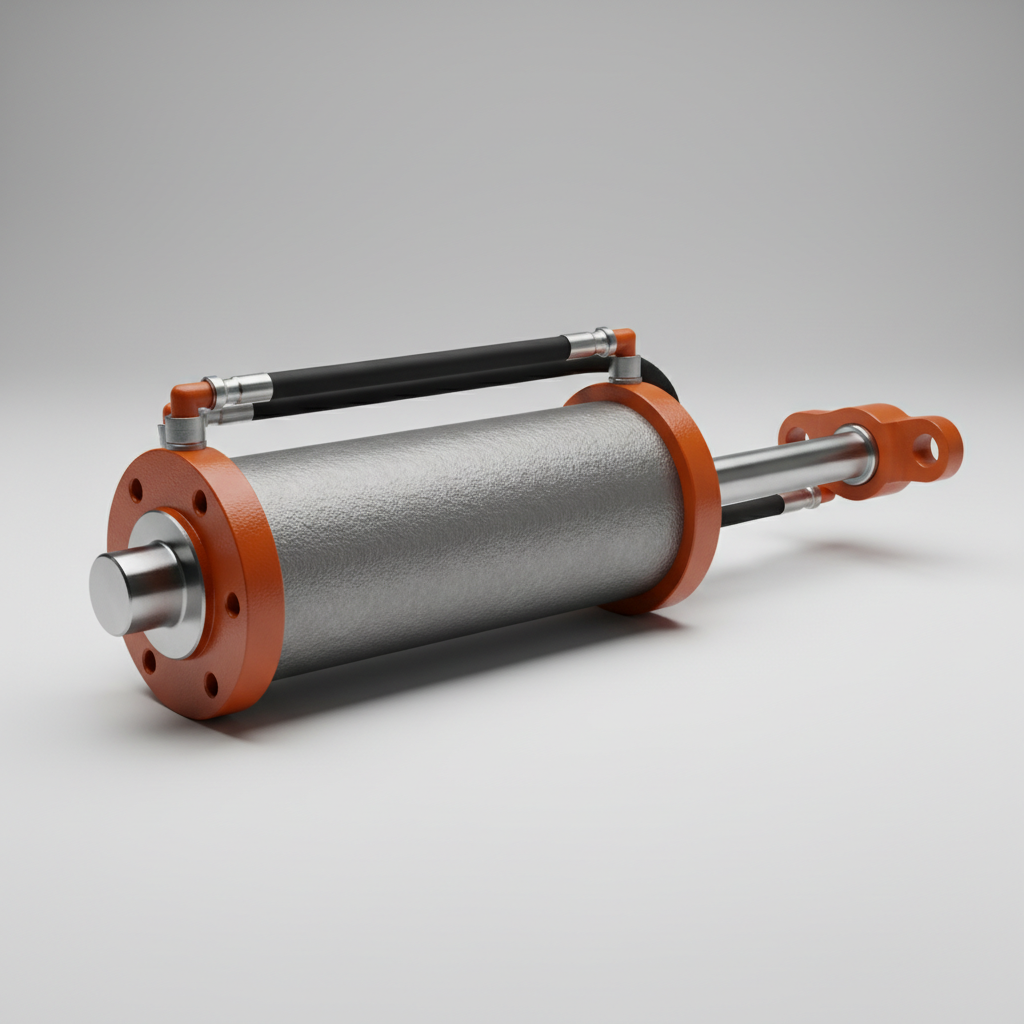
The designation "4x16" refers to the cylinder’s bore and stroke. The '4' represents the bore diameter, measured in inches, meaning this cylinder has a 4-inch inner diameter. The '16' represents the stroke length, also in inches, indicating the maximum distance the piston can travel within the cylinder. Understanding these dimensions is crucial for determining the cylinder’s force output and suitability for a specific application. A larger bore provides greater force, while a longer stroke enables a wider range of motion. FCY Hydraulics offers a range of bore and stroke combinations to meet diverse requirements.
Key Takeaway: The '4x16' designation provides vital information about the cylinder’s size and performance capabilities.
The 4x16 hydraulic cylinder finds widespread use across various industries due to its reliable performance and robust construction. Some prominent applications include:
Choosing a 4x16 hydraulic cylinder offers several advantages:
Here's a detailed look at typical specifications for a 4x16 hydraulic cylinder:
Selecting a reputable supplier is paramount to ensure the quality, reliability, and performance of your 4x16 hydraulic cylinder. Look for suppliers with a proven track record, comprehensive quality control processes, and excellent customer support. FCY Hydraulics is a trusted manufacturer and supplier of high-quality hydraulic cylinders, offering customized solutions and competitive pricing. They are known for their commitment to quality and customer satisfaction.
The 4x16 hydraulic cylinder is a powerful and versatile component essential for a wide range of applications. Understanding its specifications, benefits, and selecting a reliable supplier like FCY Hydraulics, are key to ensuring optimal performance and longevity. Invest in quality and choose a cylinder that meets your specific needs for a reliable and efficient hydraulic system.
Several factors contribute to the lifespan of a 4x16 hydraulic cylinder, including operating pressure, temperature, fluid cleanliness, and the presence of contaminants. Regular maintenance, such as fluid changes and seal replacements, can significantly extend its life. Operating the cylinder within its specified limits and avoiding overloading are also crucial. Additionally, using high-quality hydraulic fluid and implementing proper filtration systems can help prevent wear and tear.
Yes, in many cases, a 4x16 hydraulic cylinder can be repaired. Common repairs include replacing seals, O-rings, and worn piston components. However, the feasibility of repair depends on the extent of the damage. Severe damage to the cylinder barrel or rod may necessitate replacement. FCY Hydraulics offers repair services for hydraulic cylinders, providing cost-effective solutions to extend their lifespan.
The recommended hydraulic fluid depends on the operating temperature, pressure, and application. Generally, mineral-based hydraulic fluids are suitable for most applications. However, for extreme temperatures or specialized applications, synthetic fluids may be necessary. It's crucial to consult the cylinder manufacturer's recommendations to ensure compatibility and optimal performance. Using the wrong fluid can lead to seal damage, corrosion, and reduced efficiency.
Several mounting options are available for the 4x16 hydraulic cylinder, including flange mounts, trunnion mounts, clevis mounts, and pin eye mounts. The choice of mounting style depends on the application requirements and the existing machine design. Flange mounts provide a rigid connection, while trunnion mounts allow for pivoting. Clevis mounts offer flexibility, and pin eye mounts are suitable for applications requiring a spherical connection.