In the demanding world of heavy machinery and material handling, precision and efficiency are paramount. The often-underestimated, yet incredibly critical, component that empowers grapples with unparalleled versatility is the hydraulic rotator for grapple systems. Far more than a mere pivot point, this robust mechanism transforms a static attachment into a dynamic, multi-directional tool, drastically enhancing operational capabilities across countless industries. Imagine a log grapple unable to precisely orient timber, or a demolition grapple struggling to untangle rebar from concrete without constant repositioning of the entire excavator. These scenarios highlight the fundamental necessity of a reliable hydraulic rotator.
At its core, a hydraulic rotator enables a grapple to spin continuously or within a specified arc, providing the operator with meticulous control over the attached load's orientation. This capability is not just about convenience; it's a cornerstone of modern operational efficiency and safety. By facilitating precise placement, sorting, and manipulation of materials, it reduces cycle times, minimizes fuel consumption from unnecessary machine movements, and significantly lowers the risk of accidents caused by awkward load positioning. From forestry and waste management to construction and port logistics, the integration of a high-quality hydraulic rotator into a grapple system can translate directly into substantial gains in productivity and a tangible return on investment. This introductory insight sets the stage for a deeper exploration into the engineering marvels, comparative advantages, and real-world impacts of these indispensable components.
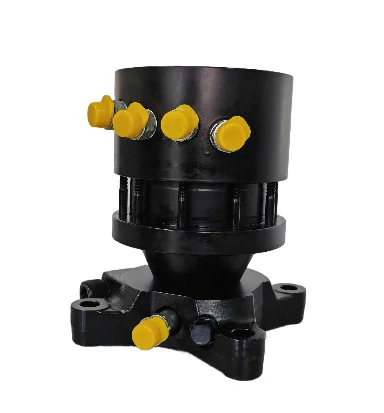
The performance of any grapple attachment is intrinsically linked to the engineering excellence of its hydraulic rotator. These aren't simple bearings and gears; they are sophisticated power transmission units designed to withstand immense radial and axial loads, continuous rotational stresses, and harsh environmental conditions. A truly superior hydraulic rotator incorporates advanced design principles and material science to deliver exceptional torque, precise control, and unwavering durability. Key technical aspects include the rotator's continuous rotation capability, which allows for uninterrupted manipulation of materials, eliminating dead zones and maximizing operational fluidity. This is often achieved through advanced swivel designs that handle multiple hydraulic lines for both the rotator's motor and the grapple's opening/closing functions simultaneously, without hose entanglement.
Performance metrics are crucial in distinguishing superior rotators from lesser alternatives. High torque output, measured in Newton-meters (Nm), dictates the rotator's ability to turn heavy or resistant loads. For instance, a rotator with 2500 Nm of rotational torque provides substantial power for repositioning dense logs or large rock fragments. Load capacity, encompassing both static and dynamic axial and radial forces, ensures the rotator can safely support the grapple and its payload without structural fatigue. Operational pressure ranges, typically between 200 and 350 bar (2900-5000 psi), highlight the robust nature of the hydraulic system. Furthermore, the choice of bearing system – often heavy-duty slewing bearings with integrated gearing – is critical for longevity and stability, distributing forces effectively. Advanced sealing technologies, utilizing materials like NBR or Viton, prevent contamination and hydraulic fluid leaks, extending service intervals even in abrasive conditions. Manufacturers employing high-grade alloy steels, precision machining, and rigorous quality control ensure components can endure millions of cycles, minimizing downtime and maintenance costs. The integration of robust hydraulic motors, such as gerotor or vane types, optimized for specific speed-to-torque ratios, further enhances the precision and responsiveness that operators demand for complex tasks, ensuring the rotator responds instantly to control inputs for delicate or forceful movements.
Selecting the optimal hydraulic rotator requires a thorough understanding of the market landscape and the specific offerings of leading manufacturers. While many brands offer rotators, their design philosophies, manufacturing tolerances, and support networks can vary significantly. Discerning buyers must look beyond initial cost and consider factors like proven reliability, technological innovation, and after-sales service. Evaluating specifications such as maximum load capacity, continuous rotation capability, peak torque, and warranty terms provides a valuable framework for comparison. Some manufacturers specialize in ultra-heavy-duty applications, while others focus on compact designs for lighter machinery, each optimized for different operational demands. It is essential to match the rotator's specifications to the grapple's weight, the maximum load it will handle, and the intended operating environment to ensure optimal performance and longevity.
To illustrate the varying strengths across the industry, consider a hypothetical comparison of three archetypal manufacturers. This table highlights key differentiators that influence purchase decisions:
Feature | Industry Standard Co. | Precision Dynamics Ltd. | HeavyLift Solutions |
Max. Load Capacity (kg) | 4500 | 6000 | 8000 |
Rotation Torque (Nm) | 2000 | 2800 | 3500 |
Continuous Rotation | Yes | Yes | Yes |
Max. Operating Pressure (bar) | 250 | 300 | 320 |
Weight (kg) | 120 | 160 | 210 |
Warranty (years) | 1 | 2 | 2 |
Key Feature | Cost-Effective Design | Integrated Valve Block | Enhanced Sealing System |
Beyond these quantitative metrics, qualitative factors such as a manufacturer's reputation for innovation, the availability of spare parts, and the responsiveness of their technical support network play a crucial role. A company with a widespread service network and readily available parts can significantly reduce downtime, while one known for pioneering new technologies may offer superior long-term performance and efficiency. Investing time in research and seeking testimonials can help validate a manufacturer's claims and ensure the chosen rotator is a reliable asset for years to come, providing the robust foundation required for demanding material handling tasks.
While standard hydraulic rotators meet the needs of many applications, certain specialized tasks or unique operating environments demand bespoke solutions. The ability to customize a rotator is a significant advantage, allowing businesses to optimize performance for specific challenges that off-the-shelf products cannot fully address. This level of tailoring goes beyond simply selecting a model from a catalog; it involves a collaborative engineering process between the client and the manufacturer to design a rotator that perfectly integrates with existing machinery and operational requirements. Customization can involve modifications to mounting interfaces, ensuring seamless attachment to unique boom geometries or grapple designs that deviate from standard specifications. This precise fit minimizes stress points and maximizes power transmission efficiency.
Beyond mechanical integration, hydraulic customization is frequently requested. This might include integrating specific hydraulic valve blocks directly into the rotator's design, simplifying plumbing and control for complex grapple functions like synchronized jaw movement or specialized cutting tools. For operations in extreme temperatures, whether sub-zero arctic conditions or searing desert heat, specialized materials and seals can be incorporated to maintain performance and prevent premature wear. Enhanced corrosion resistance, achieved through specialized coatings or stainless steel components, is vital for marine or chemically aggressive environments. Furthermore, some applications may require rotators with different speed-to-torque ratios than standard offerings; a high-speed rotator might be preferred for rapid, lighter material sorting, while a high-torque unit would excel in heavy-duty demolition. The incorporation of advanced sensors for real-time telemetry, position feedback, or even predictive maintenance diagnostics is another growing area of customization, providing operators and maintenance teams with invaluable operational data. By investing in a customized hydraulic rotator solution, businesses can unlock new levels of efficiency, extend equipment lifespan, and ensure their machinery is perfectly matched to the intricacies of their most demanding tasks, leading to unparalleled operational synergy and long-term cost savings.
The versatility and performance enhancement provided by hydraulic rotators make them indispensable across a spectrum of industries, revolutionizing how materials are handled. In each sector, the ability to precisely orient a grapple translates into tangible benefits, often quantifiable in terms of time, fuel, and labor savings. Consider the forestry industry, where grapples equipped with rotators are fundamental to efficient log handling, loading, and sorting. Operators can precisely pick, rotate, and stack logs on trailers, often reducing log loading times by up to 15% compared to non-rotating grapples, while also improving the stability and safety of the load. This not only speeds up operations but also minimizes damage to timber and prevents hazardous shifting during transport.
In the demanding field of recycling and waste management, rotators are game-changers. Whether sorting demolition debris, municipal waste, or industrial scrap, the ability to accurately position the grapple allows for meticulous separation of materials. For instance, a rotator-equipped grapple can improve sorting efficiency by 20% compared to fixed-orientation grapples, leading to higher-quality recycled output and reduced landfill volumes. Similarly, in construction and demolition, these components are vital for tasks ranging from concrete breaking and rebar cutting to precise material placement. A rotator enables an excavator to carefully demolish structures piece by piece or accurately place heavy pre-fabricated elements, accelerating demolition clear-up phases by 10-12% and minimizing collateral damage. Beyond these, port and terminal operations benefit immensely from the precision afforded by rotators for bulk cargo handling, precise container positioning, and intricate ship loading and unloading. From railway construction to utility maintenance, the common thread is enhanced operational control, leading to reduced manual labor, improved safety records, and ultimately, a more productive and profitable operation. These real-world applications underscore the profound impact of a well-engineered hydraulic rotator, turning complex material handling challenges into streamlined, efficient processes.
The longevity and consistent performance of a hydraulic rotator are not solely dependent on its initial build quality; they are significantly influenced by diligent maintenance and adherence to best operational practices. Given the constant stresses these components endure, a proactive maintenance regimen is crucial to prevent premature wear, costly breakdowns, and extended downtime. The cornerstone of effective maintenance is regular inspection. Operators and maintenance personnel should routinely check for any signs of hydraulic fluid leaks around seals and connections, which can indicate failing components or compromised integrity. Visible damage to the rotator housing, hydraulic lines, or mounting points also warrants immediate attention.
Lubrication is another critical aspect. The bearings and gears within the rotator require specific types and quantities of grease at prescribed intervals to reduce friction and heat buildup. Neglecting lubrication can lead to accelerated wear, increased operational noise, and eventually, catastrophic failure. Similarly, the quality and cleanliness of the hydraulic fluid feeding the rotator are paramount. Contaminated or degraded hydraulic fluid can damage internal seals, wear down precision components, and reduce the efficiency of the hydraulic motor. Adhering to manufacturer guidelines for fluid replacement and filter changes is non-negotiable. Furthermore, regularly checking the torque of mounting bolts ensures the rotator remains securely fastened to the grapple and the machine's boom, preventing dangerous detachment or instability during operation. Operator training also plays a pivotal role. Skilled operators who understand the limits of their equipment and avoid sudden, jerky movements or overloading the grapple can significantly extend the life of the rotator. Implementing a comprehensive preventative maintenance program, complete with detailed service logs and scheduled checks, will not only maximize the lifespan of the hydraulic rotator but also ensure it consistently delivers the precision and power expected in demanding applications, safeguarding both productivity and investment.
In conclusion, the decision to invest in a high-quality hydraulic rotator for grapple systems is a strategic one, yielding substantial long-term benefits that far outweigh the initial expenditure. As we have explored, these essential components are not merely accessories but fundamental drivers of operational efficiency, safety, and versatility across a vast array of industries. From the meticulous engineering that ensures maximum torque and load capacity to the potential for bespoke customization tailored to unique challenges, a premium hydraulic rotator empowers machinery to perform tasks with precision and reliability that would otherwise be unattainable. The data impacts observed in sectors like forestry, where loading times are cut by 15%, or recycling, seeing 20% improvements in sorting efficiency, vividly demonstrate the direct correlation between rotator quality and tangible productivity gains.
Choosing a rotator involves a nuanced understanding of technical specifications, manufacturer reputations, and the support infrastructure. Investing in a rotator known for its robust construction, advanced sealing, and comprehensive warranty mitigates risks and significantly reduces the total cost of ownership over its operational lifespan. Proactive maintenance, as outlined, further cements this value, ensuring peak performance and preventing costly downtime. Ultimately, a superior hydraulic rotator transforms a standard grapple into a powerhouse of capability, extending the utility of the parent machine and enabling businesses to undertake more complex tasks with greater speed and safety. It represents an investment in increased throughput, reduced fuel consumption, minimized labor, and enhanced worker safety—a testament to its indispensable role in modern material handling. For any operation serious about optimizing its heavy equipment performance, a top-tier hydraulic rotator for grapple applications stands as a non-negotiable component of success.
1. Q: What is a hydraulic rotator for a grapple, and why is it essential?
A: A hydraulic rotator for a grapple is a mechanical device that uses hydraulic power to enable a grapple attachment to continuously rotate, typically 360 degrees. It is essential because it allows the operator to precisely position and orient materials, significantly enhancing the grapple's versatility, efficiency, and safety in tasks like sorting, loading, and demolition, without requiring constant machine repositioning.
2. Q: What are the key performance metrics to consider when choosing a hydraulic rotator?
A: Key performance metrics include maximum load capacity (axial and radial), rotational torque (Nm), continuous rotation capability, maximum operating pressure (bar/psi), hydraulic flow requirements, and the type of bearing system used. These metrics directly impact the rotator's ability to handle specific weights, resist forces, and operate efficiently under various conditions.
3. Q: Can a hydraulic rotator for grapple systems be customized for specific applications?
A: Yes, many manufacturers offer customization options. This can include bespoke mounting interfaces, integrated hydraulic valve blocks for specific grapple functions, specialized materials for extreme environments (e.g., high temperature, corrosive), enhanced sealing systems, and different speed-to-torque ratios to match unique operational demands.
4. Q: How does a hydraulic rotator improve efficiency in operations like forestry or waste management?
A: In forestry, it allows precise log orientation for faster loading and stacking, reducing cycle times by up to 15%. In waste management, it enables meticulous sorting of diverse materials, improving sorting efficiency by 20% or more, leading to higher-quality recycled output and reduced landfill volumes. This precision minimizes manual intervention and machine movements.
5. Q: What maintenance is required for a hydraulic rotator for a grapple to ensure its longevity?
A: Essential maintenance includes routine inspection for leaks or damage, scheduled lubrication of bearings and gears, regular checks and replacement of hydraulic fluid and filters, monitoring and tightening of mounting bolts, and ensuring proper operator training. Adhering to manufacturer guidelines for service intervals is crucial for maximizing lifespan.
6. Q: Are all hydraulic rotators suitable for continuous rotation?
A: While many modern hydraulic rotators offer continuous 360-degree rotation, some older or simpler models might have limited rotation angles. It's crucial to check the specifications, as continuous rotation is a key feature for maximizing versatility and efficiency in most heavy-duty applications.
7. Q: What is the typical lifespan of a well-maintained hydraulic rotator for a grapple?
A: A high-quality, well-maintained hydraulic rotator can have a lifespan ranging from 5,000 to over 15,000 operating hours, depending on the application's severity, adherence to maintenance schedules, and the initial build quality. Proper operation within load limits significantly contributes to its longevity.